
Blog
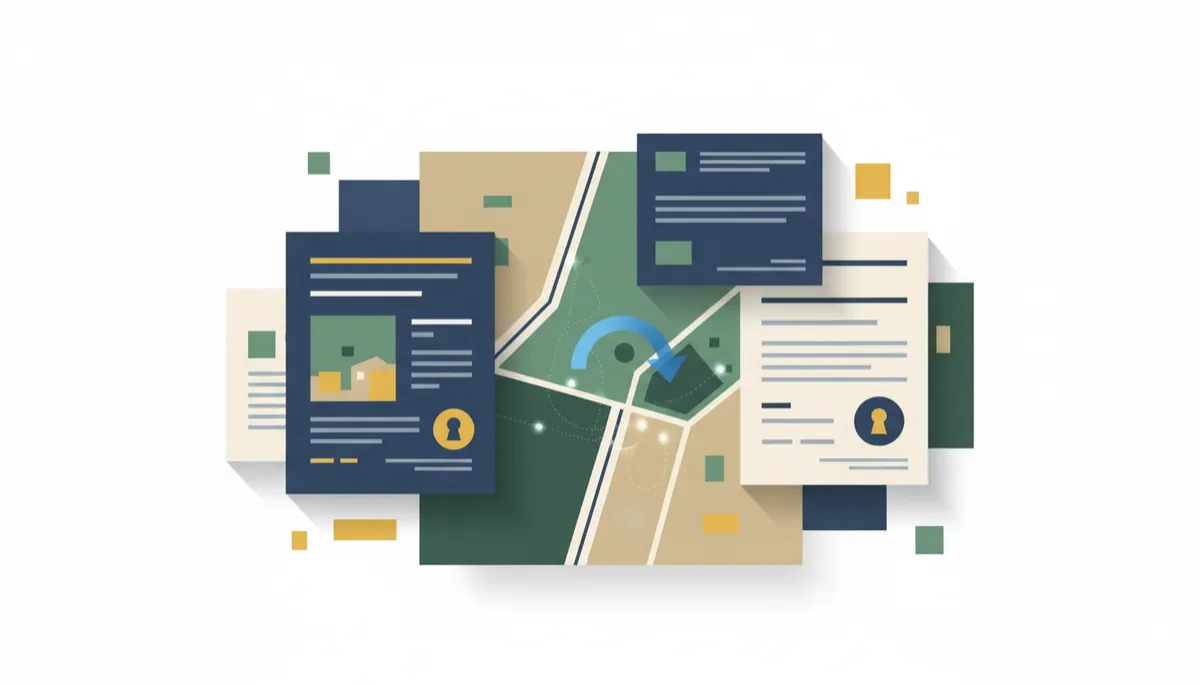
Understanding Easements: A Guide for Home Sellers
Real Estate, Home Selling, Property Law
What Should Sellers Know About Easements on Their Property?
Easements are one of those real estate terms that can quietly sit in the background until you decide to sell. Understanding what they are, how they affect your rights, and what buyers will expect can help you avoid delays, surprises, and lost deals at the closing table.
What Is an Easement, in Simple Terms?
An easement is a legal right that allows someone else to use a portion of your property for a specific purpose, even though you still own the land. Common examples include a utility company’s right to access power lines, or a shared driveway that neighbors use to reach their garages. You keep ownership, but you share certain rights to use that space.
Common Types of Easements Sellers Should Recognize
Not all easements look the same. Knowing which ones affect your property helps you answer buyer questions confidently and price your home realistically.
Utility easements: Allow power, gas, water, sewer, or cable companies to install and maintain lines or equipment on your land. These are extremely common and often run along front, side, or rear property lines.
Access or driveway easements: Give another property owner the right to cross your land to reach a road or their own home. These can be more noticeable to buyers because they involve regular traffic.
Shared-use easements: Often found in townhome or condo communities, these cover shared walkways, parking areas, or amenities maintained by an association.
Conservation or drainage easements: Restrict building or landscaping in certain areas to protect wetlands, drainage paths, or natural features.
How Easements Can Affect Your Right to Use or Improve the Property
Easements usually limit what you can do in that specific portion of the property. For example, you may not be allowed to build a shed over a utility easement or put up a fence that blocks a neighbor’s access easement. If you do, the easement holder may have the right to remove or require changes to those improvements something that can alarm buyers if they discover it late in the process.
💡 Pro Tip: Before listing, check whether any decks, fences, sheds, or additions sit inside an easement area. Addressing potential conflicts early can prevent last‑minute renegotiations.
Disclosing Easements: What Are Your Legal Obligations?
In most areas, sellers are required to disclose known easements that affect the property, especially if they impact access, use, or future building plans. Easements typically appear on:
The property deed or title report
A recorded plat map or survey
Homeowners association (HOA) documents or community rules
Failing to disclose an easement especially one that limits parking, building, or access can expose you to legal claims after the sale. Buyers don’t like surprises, and undisclosed easements are a common reason for deals to fall apart during the title review period.
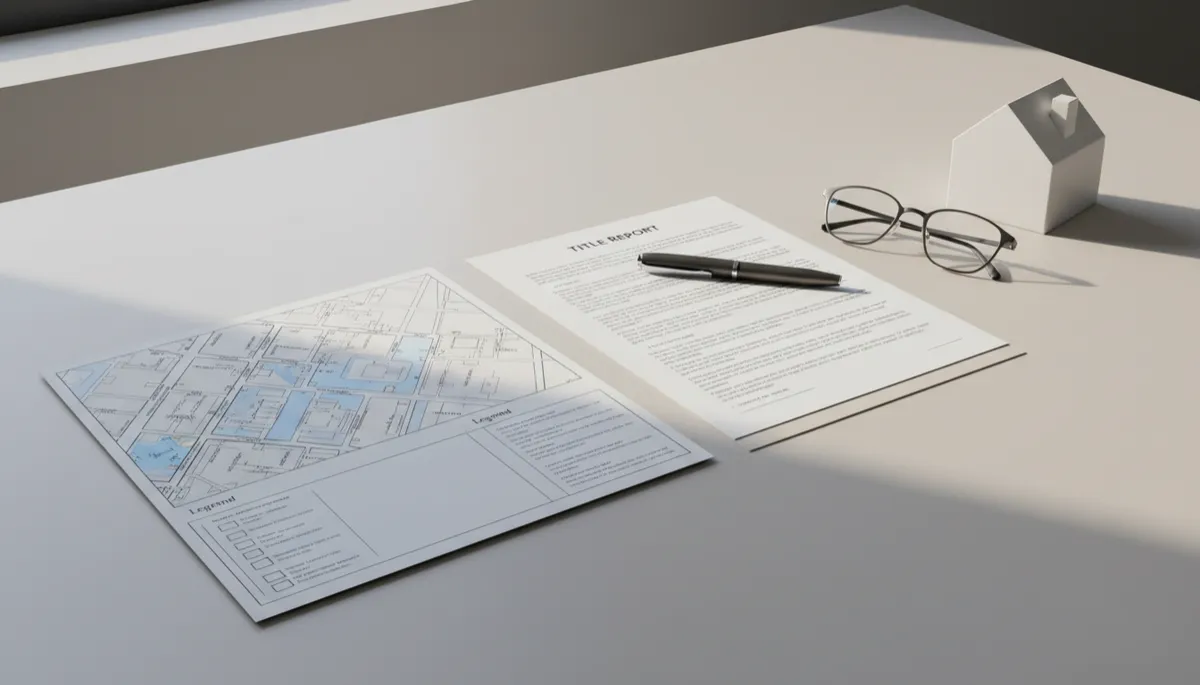
Reviewing surveys and title reports early helps you explain easements to buyers clearly.
Do Easements Affect Property Value or Buyer Interest?
Many easements are so standard that buyers accept them without concern, especially routine utility easements. However, some can influence how buyers view your home’s value or livability:
A shared driveway may raise questions about parking, snow removal, or neighbor relations.
A wide utility easement in the backyard might limit room for a pool, addition, or large garden.
A conservation easement may be attractive to some buyers who value open space, but a deal-breaker for others who planned to expand.
A knowledgeable real estate agent can help you position these features honestly while emphasizing the property’s strengths and typical neighborhood norms.
Practical Steps for Sellers Before Listing
If you know or suspect your property has easements, it’s wise to take a few proactive steps:
Gather documents: Locate your deed, title policy, survey, and any HOA or community documents that mention easements.
Mark locations: If possible, identify roughly where the easements run on the property so you can answer questions during showings.
Consult professionals: Ask your real estate agent, and if needed a real estate attorney, how the easements may affect your sale and disclosures in your state.
Set expectations: Be prepared to explain the easement in plain language and provide copies of any relevant documents to interested buyers.
The Bottom Line for Sellers
Easements don’t automatically make your home hard to sell in fact, most properties have at least one. The key is knowing what exists, how it affects use of the land, and being open with buyers from the start. Transparent disclosure, clear explanations, and guidance from an experienced agent or attorney can turn a potential complication into a manageable detail, helping your sale move smoothly from listing to closing.


John Meier
Westplex Real Estate
504 N State Hwy 47
Warrenton, MO
Phone: (636) 242-5365


