
Blog

Selling a Rental Property Needing Updates
Real Estate, Rental Property, Selling Between Tenants
Can You Sell a Rental Property That Needs Major Updates Between Tenants?
Owning a rental that’s starting to look tired can raise a big question: should you pour money into renovations, or can you sell it “as is” once a tenant moves out? Understanding your options between tenancies helps you protect your profits and avoid costly missteps.
Yes, You Can Sell a Rental That Needs Major Updates
In most markets, you can absolutely sell a rental property that needs significant work, and doing so between tenants is often the smoothest time to make that move. With no one living in the home, you avoid coordinating showings around a tenant’s schedule, dealing with privacy concerns, or navigating local regulations around entering an occupied unit.
The key is to understand that you’re not just selling a property; you’re selling a project. Buyers will factor in the cost, time, and risk of those major updates. That usually means:
A lower sale price than a fully updated rental would command
A different type of buyer often investors, flippers, or handy owner‑occupants
More scrutiny of inspections, permits, and known issues
When Selling Between Tenants Makes the Most Sense
Timing your sale for the gap between tenants can be a smart strategy, especially if the property needs major updates you’re not eager to tackle. It’s often a good fit if:
Repairs are extensive think roof replacement, outdated electrical, old plumbing, structural issues, or very worn kitchens and baths.
You’re tired of being a landlord and don’t want to reinvest tens of thousands just to keep the property competitive as a rental.
Local rental rules are tightening, requiring upgrades to meet new safety or habitability standards before you can re‑rent.
Carrying costs are rising insurance, taxes, or mortgage payments are eating into your cash flow.
💡 Pro Tip: If you already know you don’t want to fund big renovations, decide before advertising for a new tenant. Signing another lease can lock you in for 12 months or more.
Who Buys a Rental That Needs Major Work?
Even if your rental looks rough, there’s usually a market for it. Typical buyers include:
Local investors who specialize in value‑add rentals and know how to manage renovations cost‑effectively.
House flippers looking for properties they can update and resell to owner‑occupants at a higher price.
Owner‑occupants with vision who want a discount in exchange for doing the work themselves over time.
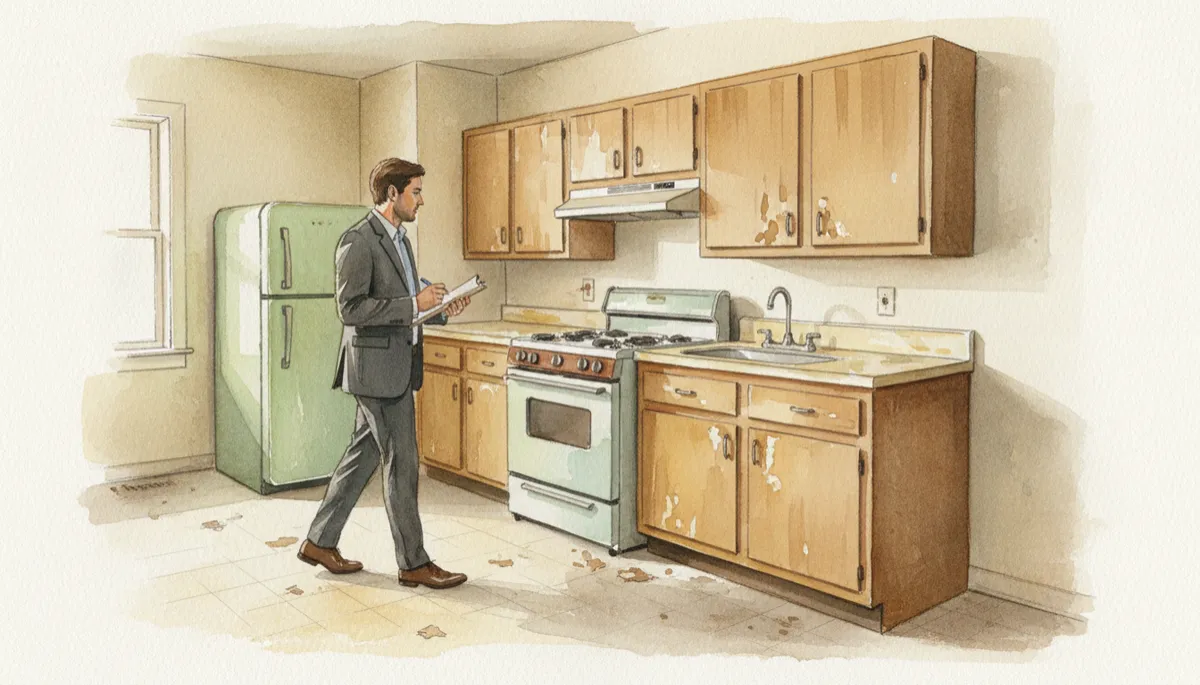
Many investors actively seek dated rentals, as long as numbers still work.
Selling As‑Is vs. Doing Select Updates
You don’t have to choose between a full renovation and walking away entirely. Many landlords opt for a middle ground: selling as‑is but addressing safety hazards or very visible problems that scare buyers off, such as broken windows, active leaks, or missing handrails. These smaller fixes can:
Make inspections smoother and reduce last‑minute renegotiations
Help buyers focus on long‑term improvements instead of immediate emergencies
Slightly widen your pool of potential buyers and offers
📌 Key Takeaway: Major cosmetic updates rarely return dollar‑for‑dollar when you’re selling immediately. Focus on safety, functionality, and transparency instead of perfection.
What You Must Disclose When Selling a Dated Rental
Selling a rental that needs major updates doesn’t give you a free pass on disclosure. In most areas, you’re legally required to share known material defects things like foundation problems, chronic leaks, or unpermitted work. Being upfront helps you:
Avoid lawsuits after closing for hidden issues
Build trust with serious buyers who understand the property’s condition
Reduce surprises on inspection reports that can derail deals
Deciding Whether to Sell Now or Renovate and Hold
Ultimately, the decision to sell a rental that needs major updates between tenants comes down to your goals and numbers. Compare:
What you could net by selling as‑is today, after commissions and closing costs
The cost, timeline, and disruption of major renovations
Projected rent and value after improvements if you keep the property
If the math shows that renovating and re‑renting will take years to pay off or you’re simply ready to step away from landlording selling between tenants can be a clean, practical exit, even when the property needs major work.


John Meier
Westplex Real Estate
504 N State Hwy 47
Warrenton, MO
Phone: (636) 242-5365


