
Blog
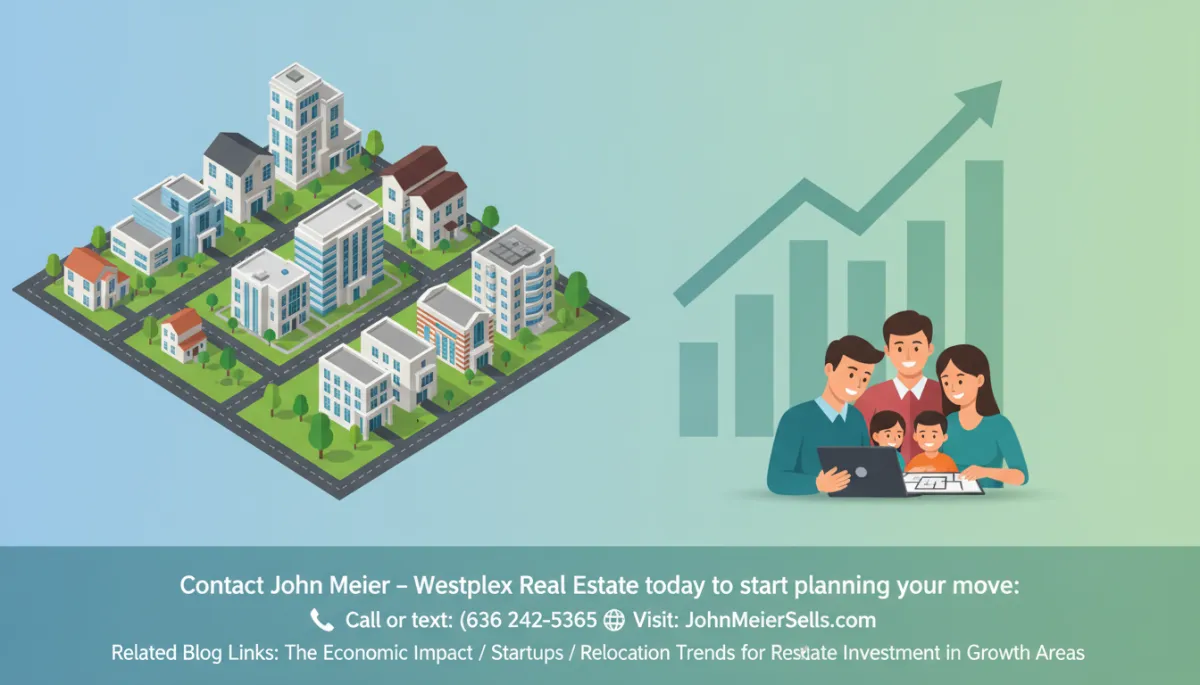
How New Businesses Impact Local Home Demand
Real Estate, Local Economy, Home Demand
How New Businesses Influence Home Demand in Your Community
When a major employer, distribution center, hospital, or tech startup chooses a new location, it does more than create jobs. It reshapes local housing demand, neighborhood growth, and long‑term property values. Understanding this connection can help you decide when and where to make your next move.
Jobs First, Housing Next: The Ripple Effect of New Employers
When a new company moves in whether it is a manufacturing plant, medical facility, or corporate office it instantly changes the math for local housing. New jobs attract new people, and those people need places to live. Some will rent, some will buy, and many will look for homes within a reasonable commute of their workplace.
This surge in demand often shows up first in:
Established neighborhoods with easy access to the new business corridor
New construction communities positioned near major highways and interchanges
Smaller towns within a 15–30 minute drive that offer more space and value
📌 Key Takeaway: The earlier you act after a major employer announcement, the more options and negotiating power you typically have as a buyer.
How New Businesses Can Push Home Prices Higher
As demand increases, inventory can tighten especially in areas that were already popular. Sellers recognize that more buyers are entering the market, and prices often respond accordingly. Even homeowners who are not planning to move can see their equity grow as their neighborhood becomes more desirable to incoming employees and their families.
In addition to higher prices, you may also notice:
Homes selling faster and receiving multiple offers
Increased interest from relocation buyers unfamiliar with the area
Builders accelerating new phases or launching additional communities
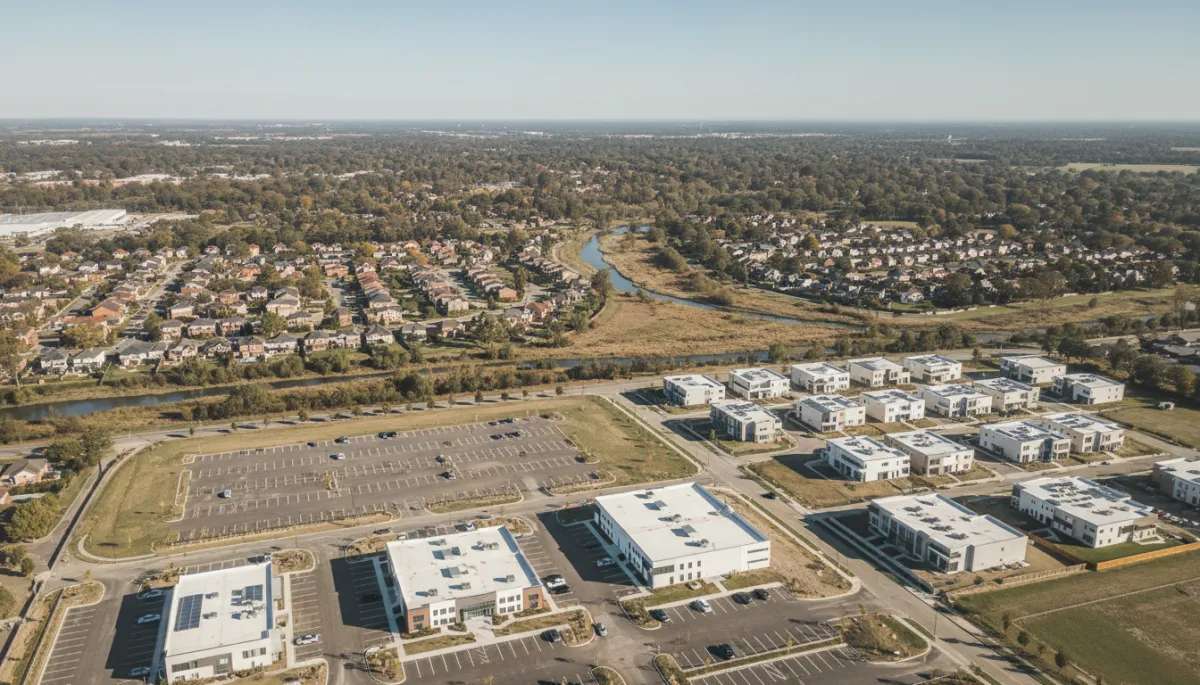
Neighborhoods close to new job centers often see demand and values rise first.
Quality of Life Upgrades: More Than Just a Shorter Commute
New businesses rarely arrive alone. They are often followed by restaurants, coffee shops, medical offices, gyms, and retail options that make day‑to‑day life more convenient. Over time, this can transform once‑quiet areas into vibrant hubs with stronger school funding, better infrastructure, and improved community services all factors that attract homebuyers and support long‑term property values.
💡 Pro Tip: When evaluating a neighborhood, look not only at the homes themselves, but also at planned commercial projects, road expansions, and school improvements. These often follow major business investments.
Should You Buy Before or After a Major Business Opens?
Timing your move around new business growth can be a smart strategy. Buying before a major project is completed can sometimes mean better prices and more choices. Buying after can offer more certainty you will see how traffic, amenities, and noise levels actually play out in real life.
Either way, working with a local real estate professional who tracks upcoming developments, zoning changes, and builder activity can help you make an informed decision that fits both your lifestyle and your budget.
Plan Your Next Move Around Local Growth
If you have heard about new employers, logistics centers, medical campuses, or retail developments coming to the Westplex and surrounding areas, now is the time to understand what that means for your housing options. Whether you are relocating for work, upsizing, downsizing, or investing, aligning your move with local economic growth can put you in a stronger position for the future.
✅ Ready to explore your options?
Contact John Meier – Westplex Real Estate today to start planning your move:
📞 Call or text: (636) 242-5365
🌐 Visit: JohnMeierSells.com
Keep Reading: Related Real Estate Insights
How Major Employers Shape Neighborhood Growth in the Westplex Area
Buying Near New Development: Pros, Cons, and Long‑Term Value
What Rising Home Demand Means for Sellers in a Growing Market
Relocating for Work? A Step‑by‑Step Guide to Buying in a New Area
Local business growth is more than a headline it is a powerful signal for future home demand. With the right guidance, you can use that information to choose a home that fits your needs today and supports your goals tomorrow.


John Meier
Westplex Real Estate
504 N State Hwy 47
Warrenton, MO
Phone: (636) 242-5365


