
Blog
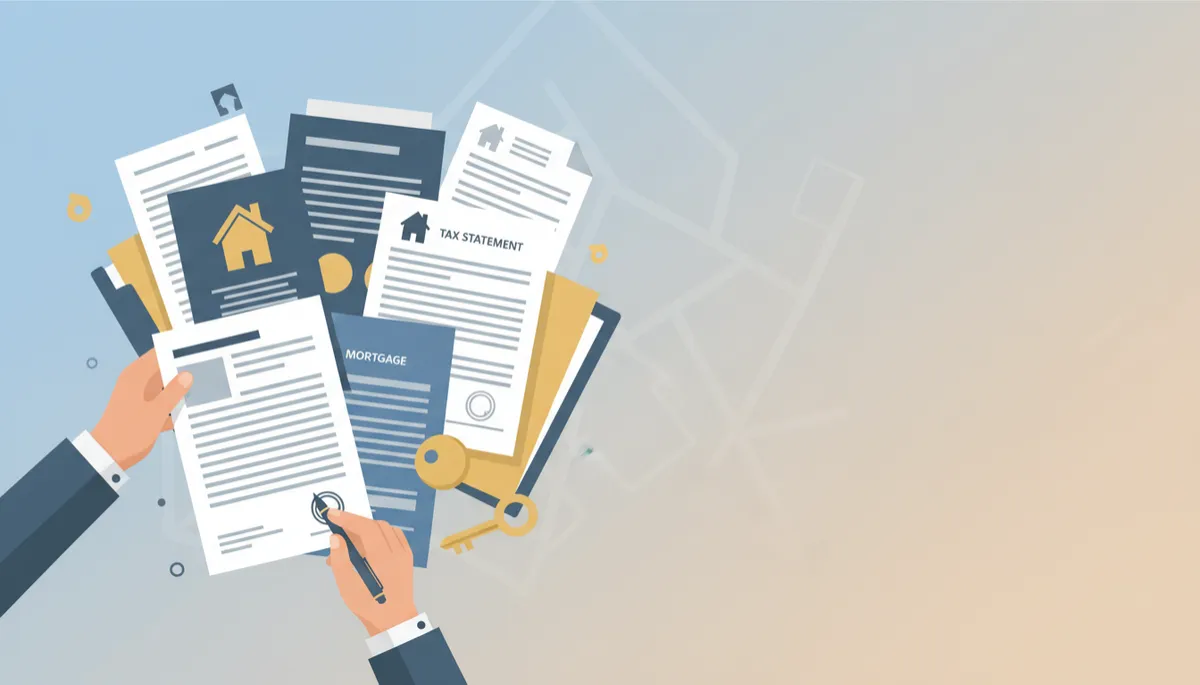
Essential Documents for Selling Your Home
Real Estate, Home Selling, Preparation
Which Documents Should You Gather Before Putting Your House on the Market?
Before the first buyer ever walks through your front door, the most powerful tool you have isn’t your fresh paint or new landscaping it’s your paperwork. Gathering the right documents early can prevent delays, build buyer confidence, and help your home sell for the best possible price.
1. Proof of Ownership and Mortgage Information
Start with the basics: documents that prove you own the property and show any loans tied to it. These help your agent, attorney, and the buyer’s lender verify that the title can be transferred smoothly.
Property deed: Shows legal ownership and how your name appears on title. Your closing attorney or title company will need this information to prepare final documents.
Mortgage statements: Include the lender’s name, loan number, and current payoff balance. This allows your listing agent to estimate your net proceeds and helps avoid surprises at closing.
Home equity loans or lines of credit: If you have a second mortgage or HELOC, gather those statements as well these must be paid off or addressed at closing.
2. Past Purchase, Title, and Survey Records
Your original closing packet is a goldmine of information. While not every page will be needed, several items can speed up the sale and reassure buyers.
Closing disclosure or settlement statement from your purchase: This shows what you paid and any title insurance policies that may still be in effect, which can sometimes be transferable or help with title issues.
Title insurance policy: A copy of your owner’s title policy can help the new title company resolve questions more quickly and may reduce the cost of a new policy for your buyer.
Property survey or plot plan: If you have a recent survey, it can clarify boundary lines, easements, and fence locations. Buyers and lenders often value this, especially for homes with large yards, pools, or additions.
3. Tax, Utility, and HOA Documentation
Buyers want a clear picture of the ongoing costs of owning your home. Having these figures ready makes your listing more transparent and attractive from the start.
Property tax bills: Provide the most recent tax bill and, if possible, the last couple of years. This helps buyers estimate future expenses and verify tax rates.
Utility bills: Recent statements for electricity, gas, water, and other services give buyers a realistic sense of monthly operating costs, especially in older homes or larger properties.
HOA or condo association documents: If applicable, gather the bylaws, rules and regulations, fee schedule, recent meeting minutes, and any special assessment notices. Many buyers and their lenders will require these before approving an offer.

Clear records of taxes, utilities, and HOA fees help buyers budget with confidence.
4. Permits, Renovations, and Repair Records
One of the fastest ways to build trust with buyers is to document how you’ve cared for and improved the home. Organized records can also justify your asking price and reduce the chance of a deal falling apart after inspections.
Building permits and final approvals: For major work such as additions, structural changes, new decks, or finished basements, permits and sign-offs show the work was done to code and inspected by the local authority.
Contractor invoices and receipts: Keep records for roof replacements, HVAC systems, window upgrades, plumbing or electrical work, and kitchen or bath remodels. Dates and costs help buyers see the value they are getting.
Repair and maintenance logs: Even smaller items annual furnace services, chimney cleanings, or pest treatments signal that the home has been well maintained over time.
💡 Pro Tip: Create a simple “home history” folder or digital file with dates, contractors, and warranties. Handing this to a buyer at the offer stage can set your home apart from competing listings.
5. Warranties, Manuals, and Appliance Information
Buyers appreciate knowing what will stay with the home and how to care for it. Organizing these details makes the transition smoother and can be a subtle selling point during showings.
Appliance manuals and receipts: Gather information for the refrigerator, stove, dishwasher, washer, dryer, and any built-in systems that will remain. Note ages and any extended warranties.
System warranties: Include documentation for the roof, HVAC, water heater, windows, or foundation work. Active warranties can be a major reassurance for buyers worried about big-ticket repairs.
Home warranty policy (if you have one): If you carry a home warranty, check whether it can be transferred or extended for the buyer and keep the policy details handy for your agent.
6. Disclosures and Inspection Reports
In most areas, sellers are legally required to disclose known issues with the property. Being proactive and transparent not only keeps you compliant, it can also prevent last-minute renegotiations or cancellations.
Seller disclosure forms: Your real estate agent or attorney will provide the correct forms for your state. Start filling them out early so you have time to gather details about past problems, repairs, or insurance claims.
Previous inspection reports: If you’ve had inspections done in the last few years—whether for a prior sale that fell through or for your own peace of mind—keep those handy. They may answer buyer questions and show issues that have already been addressed.
Environmental or specialty reports: Radon tests, mold assessments, septic inspections, or well-water tests are often requested by buyers. Having existing reports available can save time or guide what needs updating.
📌 Key Takeaway: Clear, honest disclosures usually strengthen your position. Buyers are more likely to trust and move forward with a seller who is upfront than with one who seems to be hiding details.
7. Personal Identification and Professional Contacts
Finally, don’t overlook the simple items that keep the process moving once your home hits the market and you receive an offer.
Government-issued ID: You’ll need valid identification at closing, and sometimes when signing listing paperwork or electronically notarized documents.
Contact list: Keep phone numbers and emails for your real estate agent, attorney, lender, insurance agent, and HOA handy so questions can be answered quickly during negotiations and escrow.
Bringing It All Together Before You List
The more organized you are before your home goes on the market, the smoother every step that follows is likely to be. Create a dedicated binder or digital folder for your deed, mortgage statements, tax and utility records, HOA documents, permits, repair receipts, warranties, and disclosures. Then share this packet with your real estate professional so they can highlight your home’s strengths and anticipate any concerns.
With the right documents at your fingertips, you’ll be ready to answer buyer questions confidently, avoid unnecessary delays, and move from “For Sale” to “Sold” with far less stress.


John Meier
Westplex Real Estate
504 N State Hwy 47
Warrenton, MO
Phone: (636) 242-5365


