
Blog
Why Did the Neighbor's House Sell for More?
Real Estate, Home Selling, Home Values
Why Did the House Down the Street Sell for More Than Mine?
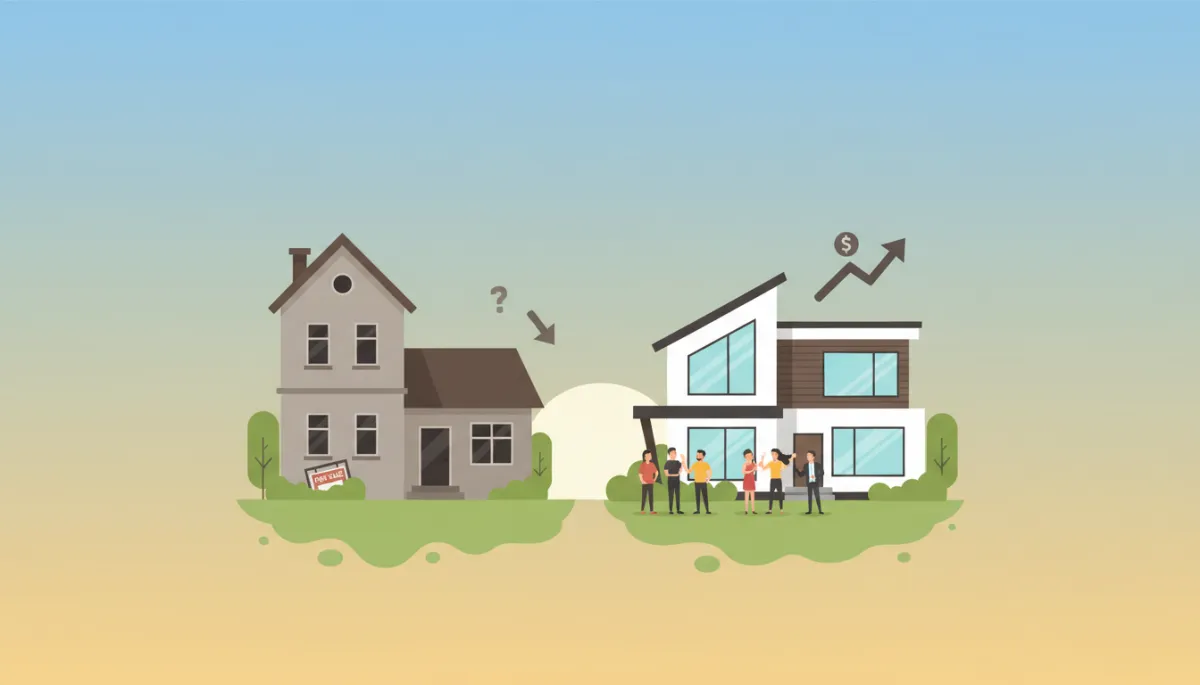
Watching a nearby home sell for more than yours can sting. But there are clear, practical reasons values differ, and understanding them can help you protect and even grow your home’s worth next time you sell.
1. The Myth of “Identical” Homes
From the sidewalk, two houses can look almost the same. Inside, they may be worlds apart. Small differences that buyers notice and appraisers measure can easily add up to tens of thousands of dollars in value. Things like an updated kitchen, newer roof, or finished basement don’t always stand out from the street, but they dramatically affect what buyers are willing to pay.
Even layout matters. An open floor plan, better natural light, or an extra half-bath can make one house feel more livable, even if the square footage is similar. Buyers rarely pay strictly by the numbers they pay for how a home feels and functions for their daily life.
2. Upgrades, Updates, and Overall Condition
One of the biggest reasons a neighbor’s home sells for more is its condition. Buyers today are busy; many will gladly pay a premium for a home that feels “move-in ready.” Fresh paint, modern lighting, updated flooring, and current fixtures can make a home look newer than its actual age and that translates into higher offers.
High-impact updates: kitchens, bathrooms, flooring, and curb appeal improvements usually deliver the best return.
Invisible but important: newer HVAC, roof, windows, and plumbing reassure buyers and appraisers that big-ticket repairs are unlikely soon.
If your neighbor invested steadily over the years while you postponed updates it’s very possible their home simply presented as the “better value,” even if your basic structure is similar. Buyers often mentally discount homes that feel dated, expecting to spend money and time after closing, and they reflect that in their offers.
3. Pricing Strategy and Timing in the Market
How you price a home at the start can be just as important as the home itself. A neighbor might have used a pricing strategy that encouraged competition listing slightly under market to attract multiple buyers and drive the price up. If your home was priced too high initially, it may have sat on the market longer, leading to price reductions and lower offers.
Timing also matters. If your neighbor listed during a low-interest-rate period or when inventory was tight, buyers may have been more aggressive. If you sold during a slower season, when more homes were available or rates were higher, buyers had more leverage. The same house can realistically sell for different amounts just a few months apart because the market is constantly shifting.
4. Marketing, Presentation, and Staging
The way a home is presented online and in person can significantly influence the final sale price. Professional photos, thoughtful staging, and a strong online listing help a property stand out. If your neighbor’s home had bright, decluttered rooms, neutral décor, and flattering photography, it likely attracted more showings and stronger offers.

Homes with professional photos and staging often sell faster and for higher prices.
By contrast, dark photos, cluttered spaces, or deferred maintenance can make buyers assume there are hidden issues or extra work ahead. Even simple changes like removing bulky furniture, adding fresh linens, and improving lighting can change how large and inviting a home feels. That emotional response is what often pushes buyers to stretch their budgets.
5. Location Nuances and Lot Advantages
Even on the same street, not all locations are equal. Buyers pay attention to small but meaningful details: being on a quiet cul-de-sac versus a busy corner, backing onto trees instead of a parking lot, or having a larger, flatter yard that’s easier to use and maintain. These subtle advantages can make one property feel more private, peaceful, or family-friendly than another.
School zoning, proximity to parks, and walkability can also nudge values higher. Your neighbor’s home might fall on the “better” side of a boundary line, or be just a few houses closer to a desirable amenity. To buyers, those everyday lifestyle perks are worth real money, even if the houses themselves seem very similar.
6. Buyer Circumstances and Negotiation Style
Finally, every sale is shaped by the people involved. A highly motivated buyer someone relocating on a tight timeline or competing with other offers may be willing to pay more to “win” a specific home. If your buyer had more time, more options, or more concerns after inspection, they may have negotiated harder on price or repairs.
Your own priorities matter too. If you needed a quick sale, you may have accepted a lower, cleaner offer to avoid delays or contingencies. Your neighbor might have been able to wait for the perfect buyer. Different goals at the negotiating table can easily lead to different final prices even in the same neighborhood and the same season.
Turning Frustration into a Plan for Next Time
Feeling frustrated when a nearby home sells for more than yours is completely normal. But it’s also a chance to learn. Differences in condition, presentation, timing, and strategy often explain the gap more than any single factor. By understanding what likely helped your neighbor’s sale, you can make smarter decisions about upgrades, pricing, and marketing if you decide to sell again.
The most helpful next step is to review a detailed breakdown of your past sale with a trusted real estate professional. Together, you can identify what worked, what held your price back, and which improvements or strategies would give you the strongest advantage in your local market when it’s time for your next move.


John Meier
Westplex Real Estate
504 N State Hwy 47
Warrenton, MO
Phone: (636) 242-5365


