
Blog
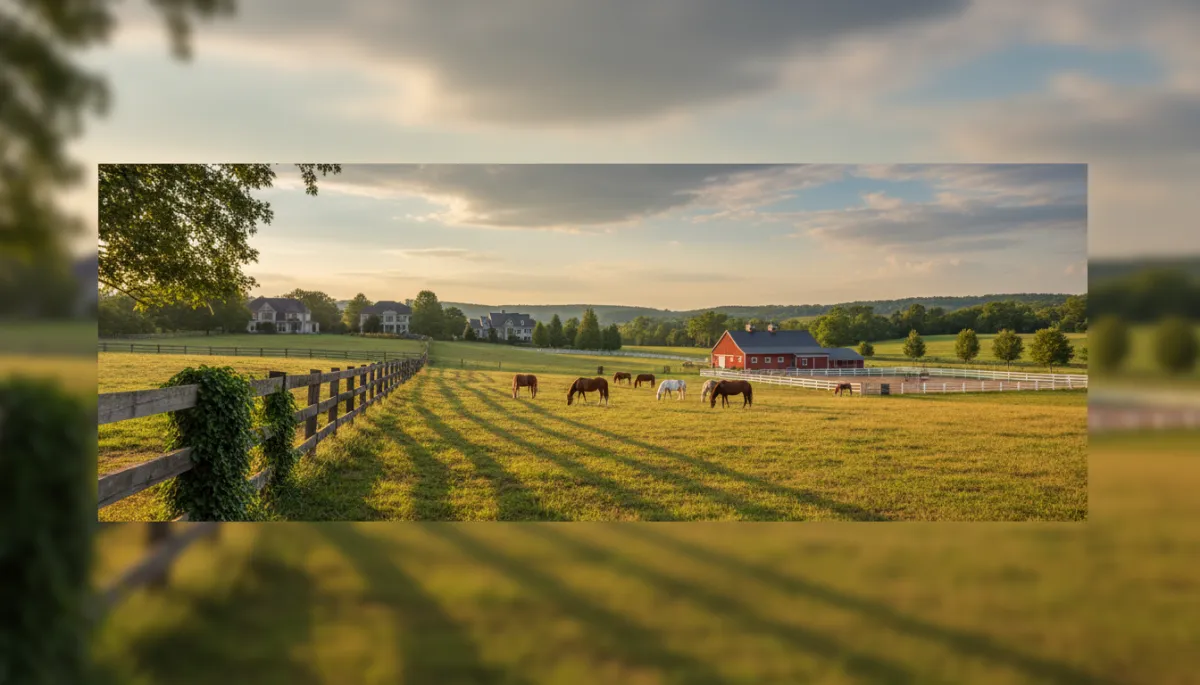
Buying Equestrian Property in Warren County
Real Estate, Equestrian Property, Warren County
What Should Horse Owners Look for When Buying Property in Warren County?
Warren County offers rolling pastures, quiet country roads, and a welcoming horse community but not every rural property is truly horse-friendly. Here’s what equestrians should look for before investing in land or a home here.
Evaluate the Land: Soil, Drainage, and Pasture Quality
For horse owners, land quality matters as much as the house. In Warren County, gently rolling terrain is common and ideal, but you’ll want to walk the property after rain to check for standing water. Poor drainage leads to muddy gateways, hoof problems, and unusable turnout days. Look for established grass in pastures, limited bare spots, and a mix of shade and open areas. If the soil is rocky or thin, you may need to budget for reseeding, lime, and ongoing pasture management to keep your horses healthy and your fields productive.
Fencing and Layout: Safety First
Safe, functional fencing is non‑negotiable. In Warren County, you’ll see everything from classic four‑board wood to high‑tensile and no‑climb wire. Prioritize sturdy, horse‑safe materials with no protruding nails, barbed wire, or sharp corners. A good layout separates turnout areas, riding spaces, and driveways so horses are not stressed by constant traffic. Ideally, the barn, paddocks, and hay storage are close together, minimizing time spent hauling water or feed across the property especially in winter months when snow and ice are common.
Barns, Shelters, and Storage Needs
Whether you prefer a center‑aisle barn or run‑in sheds, the structures must suit your horses and your routine. Check stall size, ventilation, and natural light. Stalls should be large enough for your biggest horse to turn and lie down comfortably, with good airflow to reduce dust and ammonia. In Warren County’s variable climate, a dry, well‑drained barn site is essential. You’ll also need ample storage for hay, bedding, tack, and equipment. Ask how many bales the hay loft or shed can hold and whether there’s protected space for tractors, manure spreaders, and trailers.
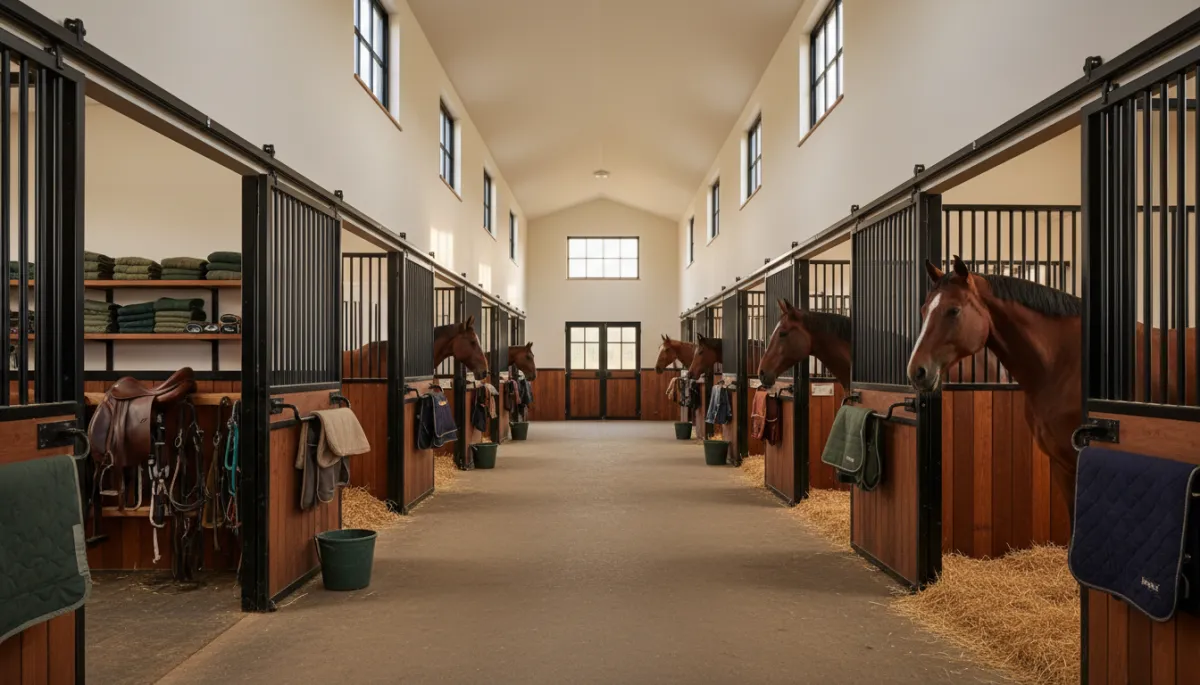
Thoughtful barn design saves time, reduces stress, and keeps horses safer every day.
Water, Utilities, and Everyday Practicalities
Horses drink a surprising amount of water, so confirm the well capacity and water quality. Ask for recent well reports and consider testing for minerals that could stain troughs or affect palatability. Check how water reaches fields and barns frost‑free hydrants, automatic waterers, or long hose runs. Reliable electricity is also important for lighting, heated buckets, and fence chargers. Make sure there are enough outlets in the barn and that the electrical system is safe, up to code, and protected from curious horses and moisture.
Access, Zoning, and Local Regulations in Warren County
Even if a property looks perfect, you must confirm that horses are actually permitted. Review Warren County zoning rules and any subdivision covenants to verify allowable livestock, the number of animals per acre, and whether future additions like an indoor arena or extra barn are allowed. Evaluate road access for trailers: are the driveways wide enough, and are nearby roads safe for hauling or hacking out? Proximity to veterinarians, farriers, feed stores, and trail systems can significantly enhance day‑to‑day life with horses and your long‑term enjoyment of the property.
📌 Key Takeaway: The best Warren County horse properties balance beautiful scenery with smart infrastructure safe footing, reliable water, sound fencing, and horse‑friendly zoning.
Bringing It All Together
When buying property in Warren County as a horse owner, look beyond the view. Prioritize land that drains well, fencing and barns that keep horses safe, and utilities that support year‑round care. Confirm zoning and access, then imagine your daily routine in every season. With a careful eye and the right guidance, you can find a property that works as beautifully for your horses as it does for you.


John Meier
Westplex Real Estate
504 N State Hwy 47
Warrenton, MO
Phone: (636) 242-5365


