
Blog
Handling Storm Damage to Your Property
Real Estate, Homeownership, Storm Damage
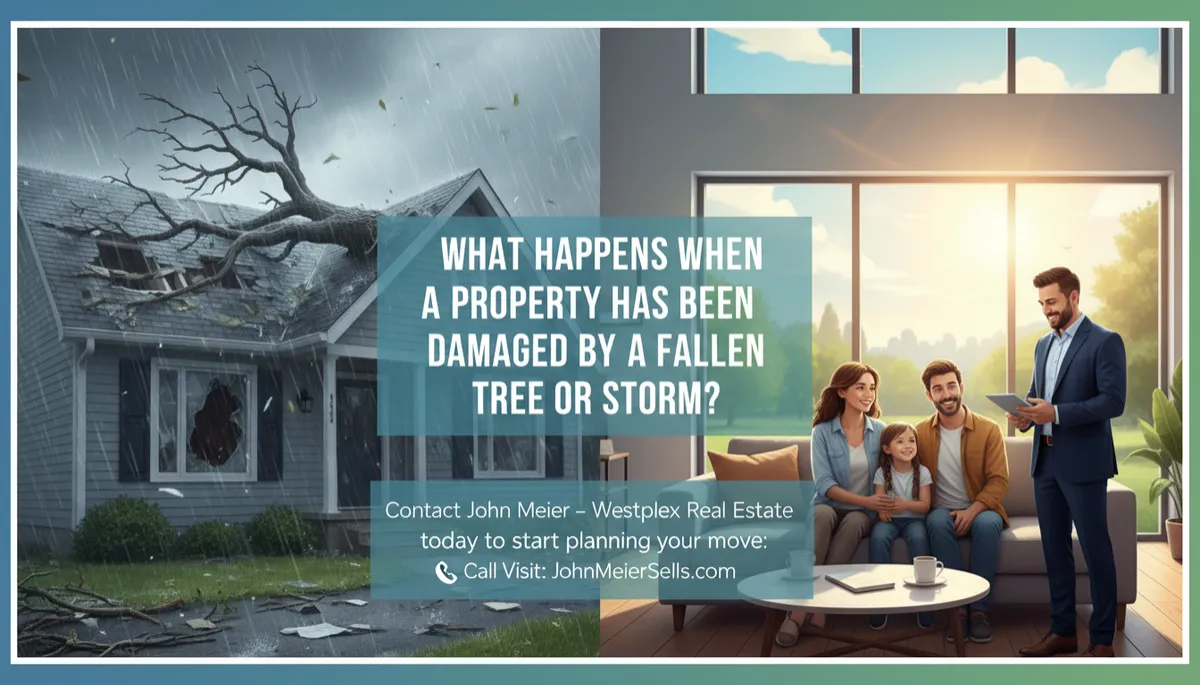
What Happens When a Property Has Been Damaged by a Fallen Tree or Storm?
Severe weather can turn a quiet neighborhood into a scene of downed trees, damaged roofs, and scattered debris in a matter of minutes. If a fallen tree or powerful storm has damaged your property, understanding what happens next legally, financially, and practically can help you move from shock to action with confidence.
Step One: Make Safety Your Top Priority
After a storm, it is natural to rush outside and assess the damage. Yet safety must come first. Downed power lines, unstable branches, broken glass, and compromised structures can all pose serious risks. Keep people and pets away from the damaged area and contact your utility company if you suspect electrical hazards. Only once the scene is secure should you begin documenting what has happened.
Document the Damage Thoroughly
Clear, detailed documentation will be essential for insurance claims and future real estate decisions. Take photos and videos from multiple angles, both close-up and wide shots. Capture damage to the roof, siding, windows, fencing, vehicles, and landscaping, as well as any interior leaks or structural issues that appear after the storm. Do not start major cleanup or repairs until you have recorded the condition of the property as-is, unless it is necessary to prevent further damage.
How Insurance Typically Handles Fallen Trees and Storm Damage
In many cases, homeowners insurance will cover damage caused by a fallen tree or severe storm, regardless of whether the tree originated on your property or a neighbor’s. Generally, your own policy applies to damage to your home, detached structures, and personal property, subject to your deductible and coverage limits. Coverage may also extend to tree removal if it has damaged a covered structure or is blocking access to your driveway or entrance.
Every policy is different, so review your documents and contact your agent as soon as possible. An adjuster will likely visit to inspect the damage, estimate repair costs, and explain what is covered. Keep receipts for temporary repairs, like tarps or emergency tree removal, as these may be reimbursable.
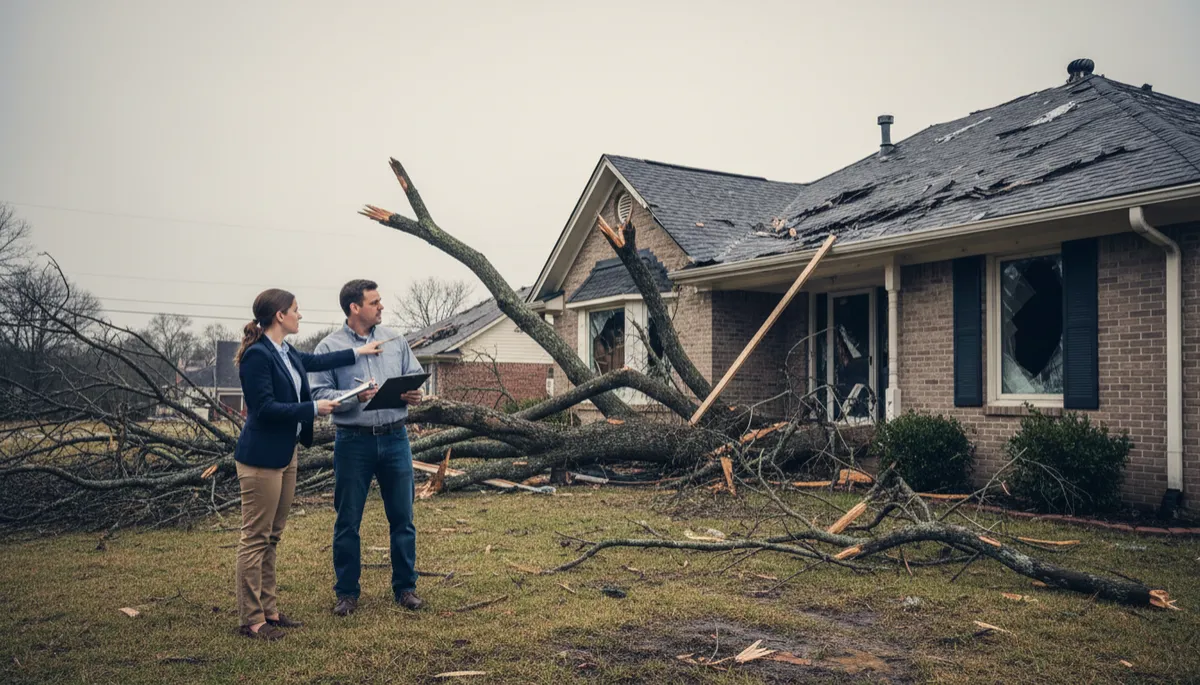
Thorough documentation and clear communication can streamline your storm damage insurance claim.
Repairs, Contractors, and Hidden Issues
Once insurance has been notified, you can begin coordinating repairs. Look for licensed, insured contractors with experience in storm restoration, roofing, and structural work. Be cautious of door-to-door offers immediately after a storm; take time to verify references and written estimates. Quality repairs not only restore safety and comfort but also protect the long-term value of your home.
Keep in mind that some damage may not be immediately obvious. Hidden roof leaks, foundation shifts, or compromised framing can surface months later if not properly evaluated. A professional inspection can help you uncover and address these issues before they grow into larger, more expensive problems or complicate a future sale.
How Storm Damage Can Affect Your Home’s Value and Sale
A major storm event often raises an important question: Will this affect my ability to sell? The answer depends on the extent of the damage and the quality of the repairs. Professionally restored homes, with documentation of work and warranties, can still compete strongly in the market. In some cases, a brand-new roof or updated exterior may even be seen as a selling advantage compared to older, untouched homes nearby.
However, buyers will expect transparency. Disclosures, repair invoices, and before-and-after photos can reassure them that the property was properly restored. This is where partnering with an experienced real estate professional becomes essential. The right agent can help you position your home, set realistic expectations, and communicate the story of the property’s care and maintenance after the storm.
📌 Key Takeaway: Storm damage does not have to derail your long-term plans. With the right documentation, repairs, and real estate guidance, you can protect both your safety and your home’s market value.
Ready for a Fresh Start After Storm Damage?
If recent storms have left you wondering whether to rebuild, remodel, or move on, you do not have to figure it out alone. A local real estate expert can help you understand how your property’s condition fits into the current market, what buyers are looking for, and which improvements may offer the best return before listing.
Contact John Meier – Westplex Real Estate today to start planning your move:
📞 Call or text: (636) 242-5365
🌐 Visit: JohnMeierSells.com


John Meier
Westplex Real Estate
504 N State Hwy 47
Warrenton, MO
Phone: (636) 242-5365


