
Blog
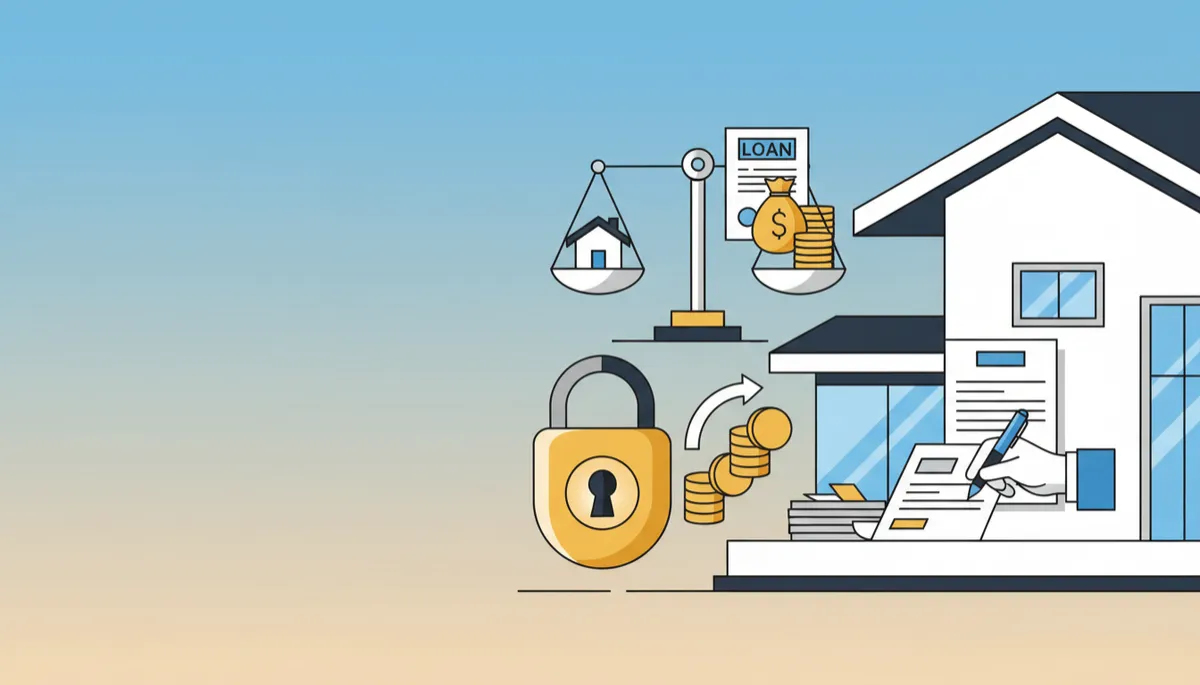
Selling a House with Home Equity Loan: Closing Tips
Real Estate, Home Equity, Closing Process
Selling a House With a Home Equity Loan: What Happens at Closing?
Selling your home is already a big financial move. Add a home equity loan or line of credit into the mix, and the process can feel even more confusing. The good news is that selling with a home equity balance is common and very manageable when you understand what happens at closing.
Can You Sell a House With a Home Equity Loan?
Yes, you can sell a house even if you still owe money on a home equity loan or home equity line of credit (HELOC). These loans are secured by your property, which means they must be paid off when the home changes ownership. In practice, this payoff usually happens seamlessly as part of the closing process, without you writing a separate check assuming you have enough equity in the home.
How Your Home Equity Loan Fits Into the Big Picture
When you sell, the money from the buyer first goes to pay off any debts tied to the property:
Your primary mortgage balance
Your home equity loan or HELOC balance (plus any interest and fees due)
Other liens or judgments recorded against the property, if any
Whatever is left after these payoffs and after closing costs is your net profit (or, in some cases, the amount you may need to bring to closing if the sale price does not cover everything).
💡 Pro Tip: Ask your lender for a written payoff quote for your home equity loan as soon as you list your home so you and your agent can estimate your net proceeds accurately.
What Happens at Closing When You Have a Home Equity Loan
Closing is the final step in the sale, when money and ownership officially change hands. If you have a home equity loan, the closing agent (often a title company, attorney, or escrow company, depending on your state) coordinates the payoff so your buyer receives clear title to the property.
Step 1: The Closing Agent Orders Payoff Statements
Before closing day, the closing agent contacts your mortgage lender and your home equity lender to request official payoff statements. These documents show the exact amount needed to pay each loan in full as of a specific date, including:
Outstanding principal balance
Accrued interest through the payoff date
Any fees or prepayment penalties, if applicable
These payoff figures are used to prepare your closing disclosure or settlement statement, which outlines exactly where every dollar from the sale will go.

Reviewing payoff figures early helps avoid surprises on closing day.
Step 2: The Buyer’s Funds Pay Off Your Loans
On closing day, the buyer’s lender (or the buyer, if paying cash) wires the purchase funds to the closing agent. From that pool of money, the closing agent pays, in order:
Your primary mortgage payoff
Your home equity loan or HELOC payoff
Any other liens, plus closing costs, taxes, and agent commissions
Once those obligations are satisfied, the remaining amount is your net proceeds. You’ll typically receive this as a wire transfer or a check shortly after closing.
Step 3: Your Home Equity Lien Is Released
After your home equity loan is paid in full, the lender prepares and records a document often called a release of lien or satisfaction of mortgage with the local land records office. This tells the world that your property is no longer securing that debt, which is essential for the buyer to have clear title.
What If Your Sale Price Doesn’t Cover the Home Equity Loan?
In most cases, your sale price will be high enough to pay off both your primary mortgage and your home equity loan. But if the market has softened or you borrowed heavily against your equity, the numbers may not fully line up. When that happens, you have a few options:
Bring cash to closing: You can contribute your own funds to cover the shortfall so both loans are paid in full.
Negotiate with your lender: In limited situations, a lender may agree to a short sale or settlement, though this can impact your credit and requires lender approval.
⚠️ Warning: Never assume your home equity lender will automatically accept less than the full balance. Always speak with them early if you suspect a shortfall.
How to Prepare for a Smooth Closing With a Home Equity Loan
A little preparation can make selling with a home equity loan feel routine rather than stressful. To stay ahead of the process:
Gather account information for your primary mortgage and home equity loan, including lender names and loan numbers.
Request up-to-date payoff quotes and share them with your real estate agent and closing agent.
Review your closing disclosure carefully to confirm that both loans are listed and the payoff amounts look accurate.
The Bottom Line
Selling a house with a home equity loan is not a deal-breaker it simply adds another payoff line to your closing paperwork. As long as your sale price, minus closing costs, is enough to cover your mortgage and home equity balance, the process is straightforward. By understanding what happens at closing and preparing your payoff information in advance, you can move from listed to sold with confidence, even when a home equity loan is part of the picture.


John Meier
Westplex Real Estate
504 N State Hwy 47
Warrenton, MO
Phone: (636) 242-5365


