
Blog

Moving to Warren County: Key Insights & Tips
Relocation, Warren County
What Should Everyone Know Before Moving to Warren County?
Thinking about moving to Warren County? Whether you are relocating for work, family, or a change of pace, understanding the local lifestyle, housing market, and community culture will help you decide if it is the right fit and make your transition smoother.
Understanding the Character of Warren County
Warren County offers a blend of small-town charm and practical convenience. Expect quieter streets, locally owned businesses, and a community where people often recognize one another at the grocery store or local events. Life tends to move at a more relaxed pace than in major metropolitan areas, which many new residents find refreshing. At the same time, you will still find essential services, shopping centers, and regional employers close at hand, especially near major highways and larger towns within the county.
Community pride runs deep. Seasonal festivals, high school sports, farmers markets, and holiday parades are central to local life. If you enjoy getting involved, there are plenty of opportunities through civic clubs, churches, volunteer groups, and neighborhood associations. Those seeking anonymity might need time to adjust, but many newcomers appreciate how quickly they feel included once they start participating.
Housing, Neighborhoods, and Cost of Living
Before moving to Warren County, it is essential to understand the local housing market. You will typically find a mix of historic homes near town centers, newer subdivisions on the outskirts, and rural properties with larger lots or acreage. Compared with larger cities, prices are often more attainable, but costs vary widely depending on proximity to amenities, school districts, and commute routes. Working with a local real estate professional can help you spot neighborhoods that match your budget and lifestyle, whether you want a walkable area or a quiet country road.
Factor in property taxes, utilities, and potential homeowners association fees as you budget. In some parts of the county, older homes may offer character but could require updates to roofing, windows, or systems. Renters will find options ranging from small apartment communities to single-family homes for lease, though availability can be competitive at certain times of year, especially near major employers or colleges. Planning your move several months ahead gives you more choices and negotiating power.
Commuting, Transportation, and Everyday Convenience
Another key thing everyone should know before moving to Warren County is how you will get around. In most areas, a personal vehicle is the primary mode of transportation. Public transit options, if available, are often limited to specific corridors or commuter routes, and rideshare services may not be as plentiful as in larger cities. Check typical drive times from potential neighborhoods to your workplace, schools, and shopping areas, paying attention to traffic patterns during rush hour or tourist seasons if the county attracts visitors.
Day-to-day conveniences vary by part of the county. Some towns feature big-box retailers, grocery chains, medical offices, and dining options within a short drive, while more rural corners may require a longer trip for specialty services or major shopping. Many residents plan errands in clusters and keep an eye on weather forecasts during winter or stormy seasons, when country roads can be more challenging. If walkability matters to you, focus your home search on established town centers with sidewalks, parks, and local shops nearby.
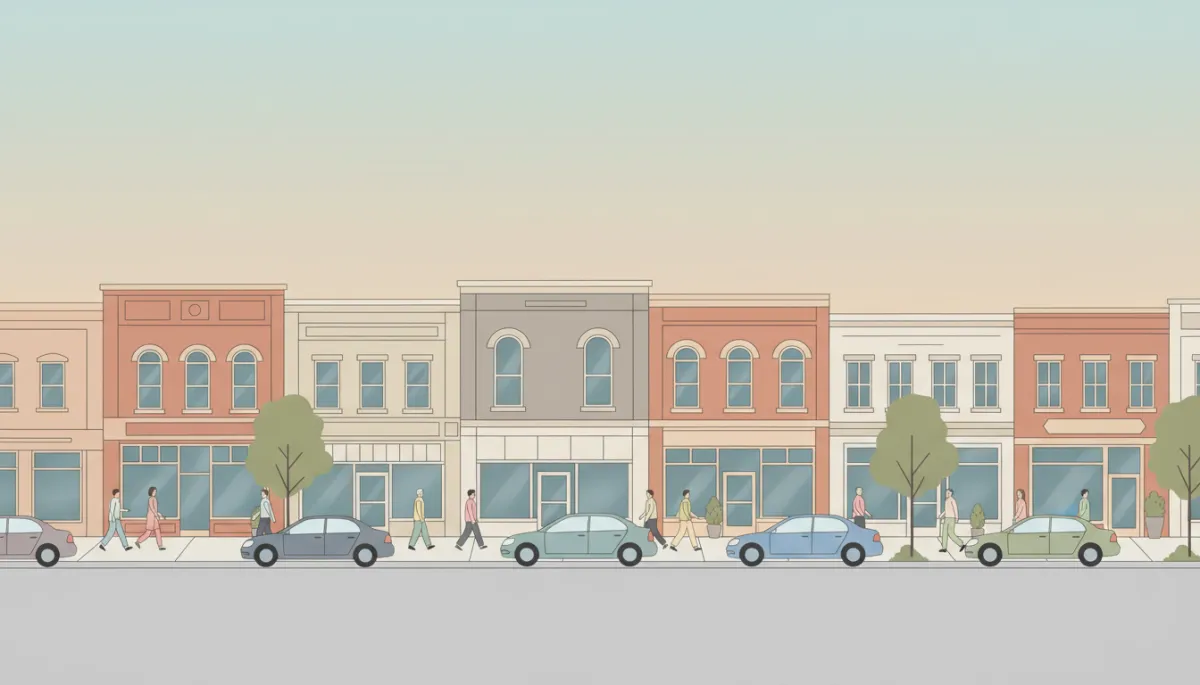
Exploring downtown areas helps newcomers understand daily conveniences and community rhythm.
Schools, Healthcare, and Community Services
For families, the quality and character of local schools are often central to the decision to move. Warren County typically offers a combination of public school districts, private or faith-based options, and sometimes nearby community colleges or technical programs. Review school ratings, class sizes, extracurricular offerings, and transportation policies. Touring campuses and talking with other parents can provide insight that online data alone may not reveal, such as the strength of arts programs, athletics, or special education support.
Healthcare access is another important consideration. Identify the nearest hospitals, urgent care centers, primary care offices, and specialists you may need. In some parts of Warren County, you might travel to a neighboring city for advanced care or certain specialties. Also look into community services such as libraries, parks and recreation departments, senior centers, and youth programs. These resources play a big role in quality of life and help you build a support network once you arrive.
Lifestyle, Recreation, and Local Culture
Before moving to Warren County, think carefully about how you like to spend your free time. Many residents are drawn to outdoor activities: hiking local trails, fishing, boating, or simply enjoying scenic drives through the countryside. Parks, rivers, and nature preserves are often within easy reach, offering a welcome break from screens and city noise. If you prefer arts and entertainment, look into local theaters, galleries, live music venues, and seasonal festivals that showcase regional food, crafts, and traditions.
Social life in Warren County can be as active as you make it. Joining clubs, attending community events, or volunteering will quickly expand your circle. At the same time, evenings at home, backyard gatherings, and quiet weekends are common and valued. The pace may feel slower than in a big city, but many newcomers find that this balance allows them to focus more on family, hobbies, and personal well-being.
Final Thoughts Before You Move
Ultimately, what everyone should know before moving to Warren County is that preparation and realistic expectations make all the difference. Spend time visiting different parts of the county, talk with locals, and map out your typical week from commuting and school runs to grocery trips and weekend fun. By understanding the housing options, transportation realities, community resources, and overall lifestyle in advance, you can decide with confidence and start your new chapter in Warren County on the right foot.


John Meier
Westplex Real Estate
504 N State Hwy 47
Warrenton, MO
Phone: (636) 242-5365


