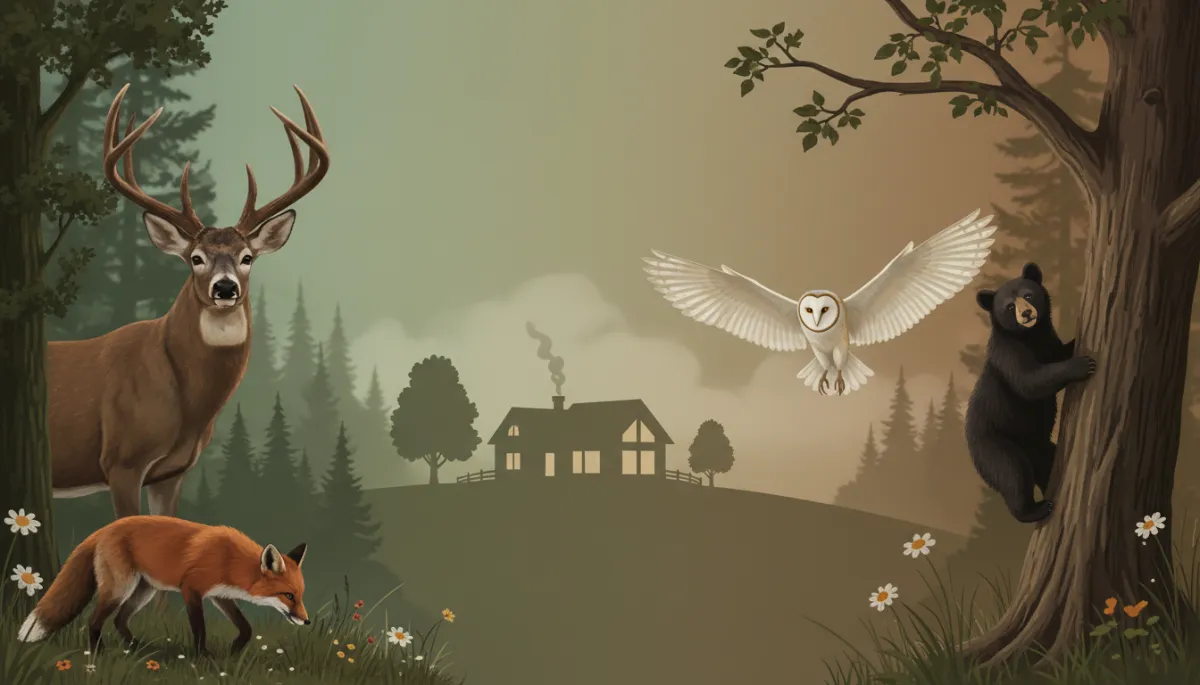
Wildlife New Rural Homeowners Should Expect
Homeownership, Rural Living, Wildlife
What Wildlife Should New Rural Homeowners Expect?
Moving to the countryside often means trading city noise for birdsong and big skies. It also means sharing your new space with a surprising variety of wild neighbors. Understanding who they are, why they are there, and how to coexist safely will help you enjoy rural life instead of worrying about every rustle outside your window.
The Everyday Guests: Birds, Squirrels, and Small Critters
In most rural areas, you can expect a steady parade of small, largely harmless wildlife. Songbirds, woodpeckers, and owls are common, especially if your property has mature trees or nearby fields. Bird feeders and birdbaths will quickly turn your yard into a favorite stop, though they may also attract opportunistic species like crows or raccoons looking for an easy meal.
Squirrels, chipmunks, rabbits, and field mice are another part of everyday rural life. They are charming when you see them darting across the lawn, but they can cause headaches if they find ways into attics, crawl spaces, or stored animal feed. Simple steps like sealing gaps, storing grain and pet food in metal containers, and trimming branches away from the roof can help keep these visitors outdoors where they belong.
Larger Mammals: Deer, Foxes, Coyotes, and More
Many new rural homeowners are surprised by how often they see larger mammals. Deer are among the most common. They are beautiful to watch at dawn and dusk, but they can be relentless garden raiders, happily nibbling on shrubs, vegetable beds, and young fruit trees. Expect to invest in fencing, deer-resistant plants, or protective netting if you plan to grow anything edible or ornamental they might like.
Foxes and coyotes are also frequent rural residents. They tend to be shy and avoid people, but they may show interest in outdoor cats, small dogs, poultry, or unsecured trash. Keeping pets indoors at night, using secure chicken coops, and avoiding leaving food outside are simple habits that greatly reduce conflicts. In some regions, you might also see raccoons, opossums, skunks, or even black bears passing through, especially where forests meet residential properties.
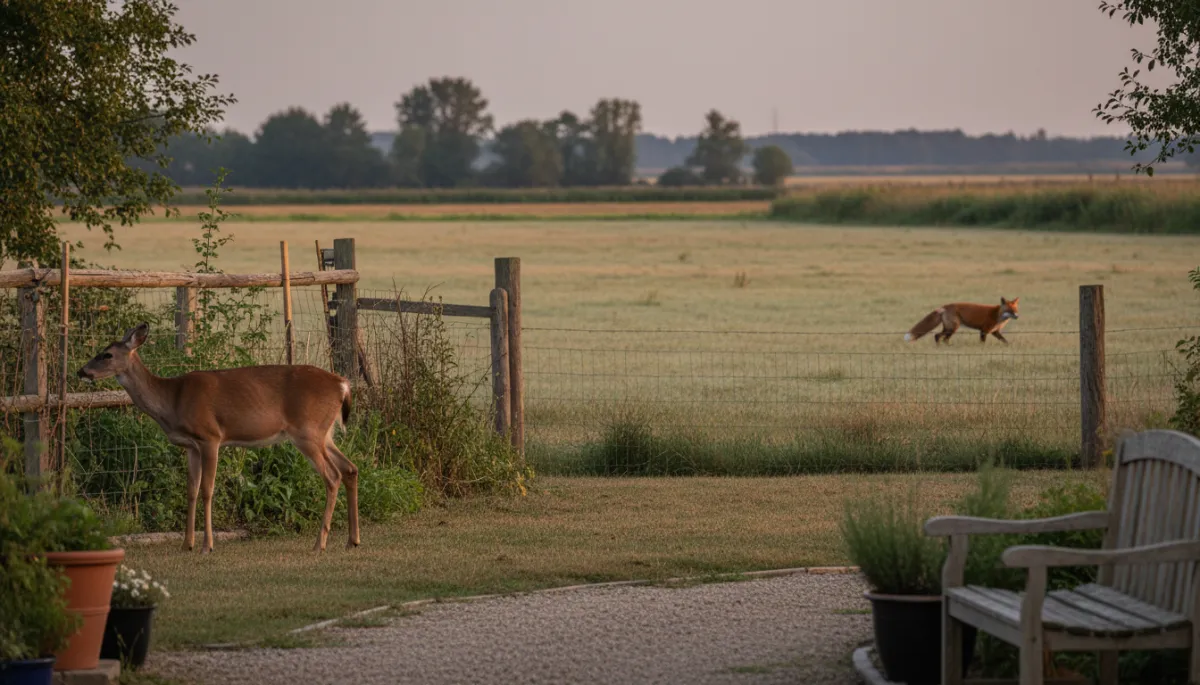
Fencing, secure trash, and supervised pets make living alongside larger wildlife far easier.
Small Predators, Rodents, and Nighttime Visitors
As the sun sets, a different cast of characters comes to life. Raccoons, skunks, and opossums are classic nighttime visitors, often drawn to compost piles, pet food bowls, or overflowing trash cans. While they rarely pose a direct threat to people, they can spread disease, create messes, and startle pets. Motion-activated lights, secure lids, and a habit of bringing food bowls indoors after dark go a long way toward discouraging them.
Rodents such as mice, voles, and occasionally rats are almost guaranteed in rural settings, especially near barns, sheds, or stacked firewood. Expect to see signs of them even if you rarely spot the animals themselves. Regularly checking for droppings, gnaw marks, and burrows, combined with good housekeeping and proper storage, helps keep populations in check. Many rural homeowners also appreciate natural pest control from owls, snakes, and barn cats, which quietly reduce rodent numbers without chemicals.
Reptiles, Amphibians, and Insects You Are Likely to See
Depending on your climate, you may notice frogs and toads around ponds, ditches, and damp gardens. They are excellent allies against mosquitoes and other insects. Nonvenomous snakes are common in many rural regions as well, often hunting rodents in tall grass, woodpiles, or stone walls. Venomous species may also be present in some areas, so learning how to identify local snakes is wise. Most will avoid you if given space and a clear escape route.
Insects, from butterflies and bees to ticks and wasps, are an unavoidable part of rural life. Pollinators are beneficial and essential for gardens and orchards, while ticks and biting insects require more caution. Expect to adopt new routines, such as checking for ticks after walks through tall grass, using screens on windows, and keeping vegetation trimmed around your home to reduce hiding spots for pests.
Setting Expectations and Creating a Peaceful Coexistence
The most important thing new rural homeowners should expect is that wildlife is not a temporary novelty; it is a permanent part of the landscape. Instead of trying to eliminate every creature, focus on understanding patterns and taking sensible precautions. Learn which species are common in your specific region, talk with neighbors about seasonal activity, and consult local wildlife agencies for guidance on safe, legal deterrents when necessary.
With realistic expectations, a few property improvements, and respect for the animals that were there long before your house, you can enjoy the best of rural living: starry nights, quiet mornings, and the daily reminder that you are part of a much larger natural community. Rather than fearing every rustle in the bushes, you will start to recognize your regular visitors and appreciate the unique wildlife show that comes with calling the countryside home.


