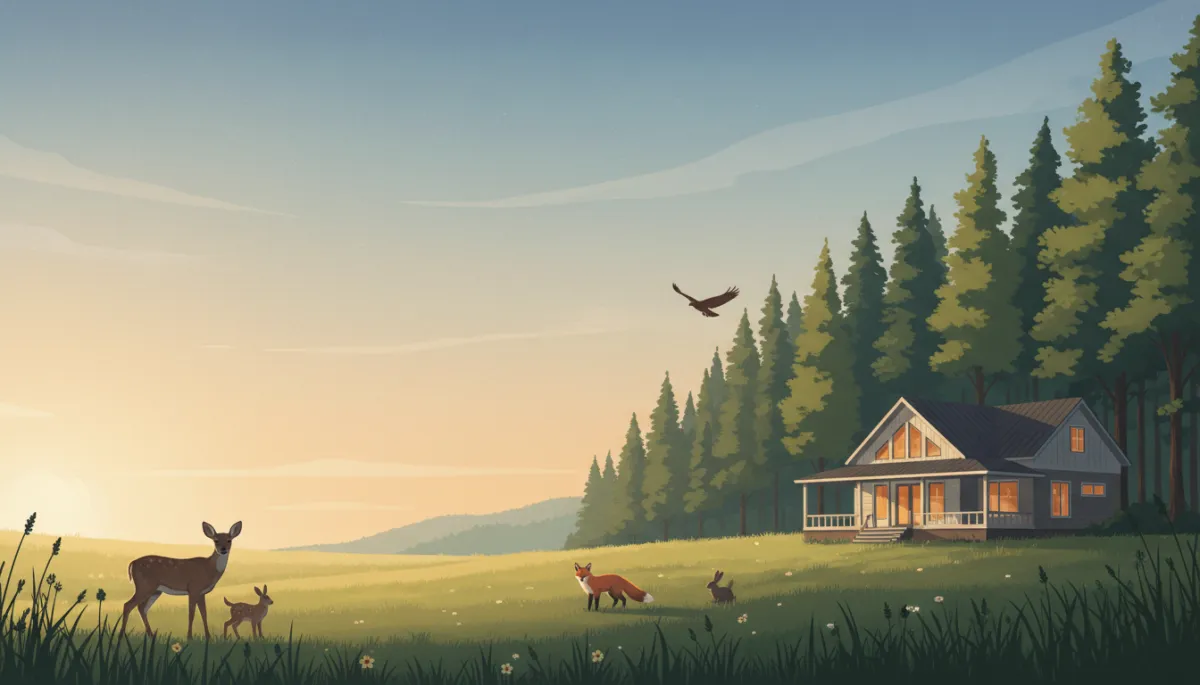
Wildlife Guide for New Rural Homeowners
Homeownership, Rural Living, Wildlife
What Wildlife Should New Rural Homeowners Expect?
Moving to the countryside often means trading traffic noise for birdsong. But it also means sharing your space with far more wild neighbors than you might be used to. Understanding what wildlife to expect helps you protect your home, pets, and garden while respecting the animals that call your land home too.
Small Mammals: The Most Common New Neighbors
In most rural areas, your first wildlife encounters will be with small mammals. Expect to see squirrels, rabbits, chipmunks, voles, and mice. They are generally harmless but can become a nuisance if they move into sheds, garages, or wall cavities, or if they develop a taste for your vegetable garden and young trees.
Simple steps such as sealing gaps around foundations, storing animal feed and birdseed in metal containers, and using sturdy garden fencing can reduce conflicts. Remember that these animals are an important food source for larger predators, so they are a natural and necessary part of the local ecosystem.
Deer, Foxes, and Other Medium-Sized Wildlife
Many new rural homeowners are delighted the first time they see deer grazing at the edge of their yard or a fox trotting along a fence line at dusk. Over time, though, you may notice deer stripping bark from young fruit trees or foxes sniffing around chicken coops and outdoor pet food bowls.
Expect raccoons, skunks, and opossums in many regions as well. These animals are attracted to easy meals: unsecured trash, compost, pet food, and fallen fruit. Using wildlife‑proof bins, cleaning up food scraps promptly, and installing secure latches on coops and sheds can significantly reduce late‑night raids and lingering odors from sprayed skunks.
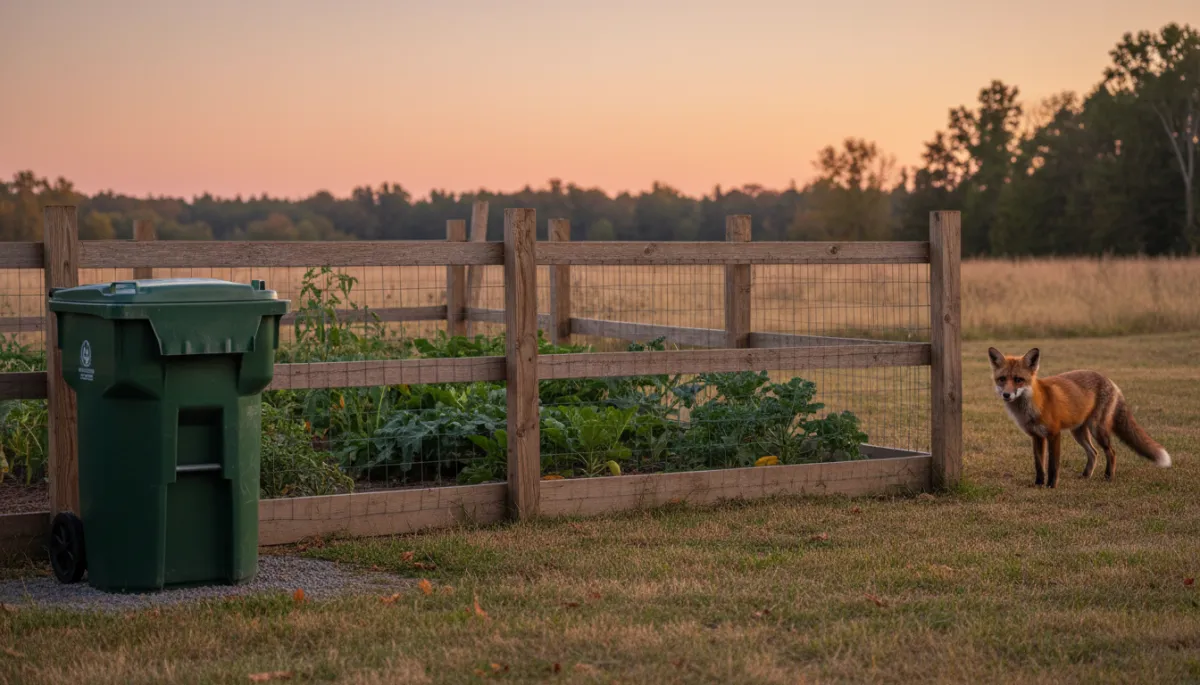
Thoughtful fencing and secure bins discourage curious foxes and raccoons from approaching your home.
Predators and Pets: Staying Safe Without Panic
Depending on your region, you may share the landscape with coyotes, bobcats, or even bears. While serious incidents are rare, new rural homeowners should be realistic about the risks to outdoor cats, small dogs, and backyard livestock. Most predators prefer to avoid people, but they will take advantage of easy prey and unsecured food.
Keep pets indoors at night, use motion‑activated lights near outbuildings, and store trash and feed in sturdy, closed containers. If you raise poultry or small livestock, invest in predator‑resistant fencing and locked nighttime housing. These precautions allow you to respect wildlife while keeping your animals safe and stress levels low.
💡 Pro Tip: Learn which predators live in your specific area by talking with neighbors, local farmers, or your regional wildlife agency. Their firsthand experience is invaluable for planning fences, coops, and pet routines.
Birds, Bats, and Beneficial Insects
One of the joys of rural living is the abundance of birds. Expect songbirds, woodpeckers, hawks, owls, and seasonal migrants. Thoughtfully placed bird feeders and native plantings can turn your property into a haven, but be aware that spilled seed can also attract rodents and larger animals if not managed carefully.
You may also notice bats and beneficial insects like bees and dragonflies. While bats can seem unsettling, they are powerful allies in controlling mosquitoes and agricultural pests. Providing bat houses and avoiding broad‑spectrum pesticides supports a healthier, more balanced environment around your home.
Reptiles, Amphibians, and Less Visible Residents
In many rural settings, especially near water or rocky areas, you can expect frogs, toads, snakes, lizards, and turtles. Most are shy and play essential roles in controlling insects and small rodents. Venomous species, where present, usually avoid people, but it is wise to learn how to identify them and teach children to look rather than touch.
Keeping grass trimmed near the house, wearing closed‑toe shoes outdoors after dark, and using outdoor lighting around paths and steps reduces the chance of startling a snake or toad. With a little awareness, most encounters become fascinating observations rather than frightening surprises.
Striking a Balance: Coexisting With Rural Wildlife
As a new rural homeowner, you should expect a rich variety of wildlife: from tiny mice and songbirds to deer, foxes, and, in some areas, larger predators. Rather than trying to eliminate these animals, focus on setting clear boundaries: secure your home and outbuildings, protect pets and gardens, and avoid leaving out easy food sources.
Over time, you will learn the rhythms of your land when owls hunt, where deer pass, which corner frogs favor after a rain. That knowledge turns uncertainty into appreciation, allowing you to enjoy the beauty of rural wildlife while keeping your household safe, comfortable, and prepared.
📌 Ready to Talk Strategy in Warren County?
John Meier is a real estate agent in Warrenton, MO (63383) helping sellers in Warrenton, Truesdale, and Wright City.
Westplex Real Estate
📞 (636) 242-5365
🌐 JohnMeierSells.com


