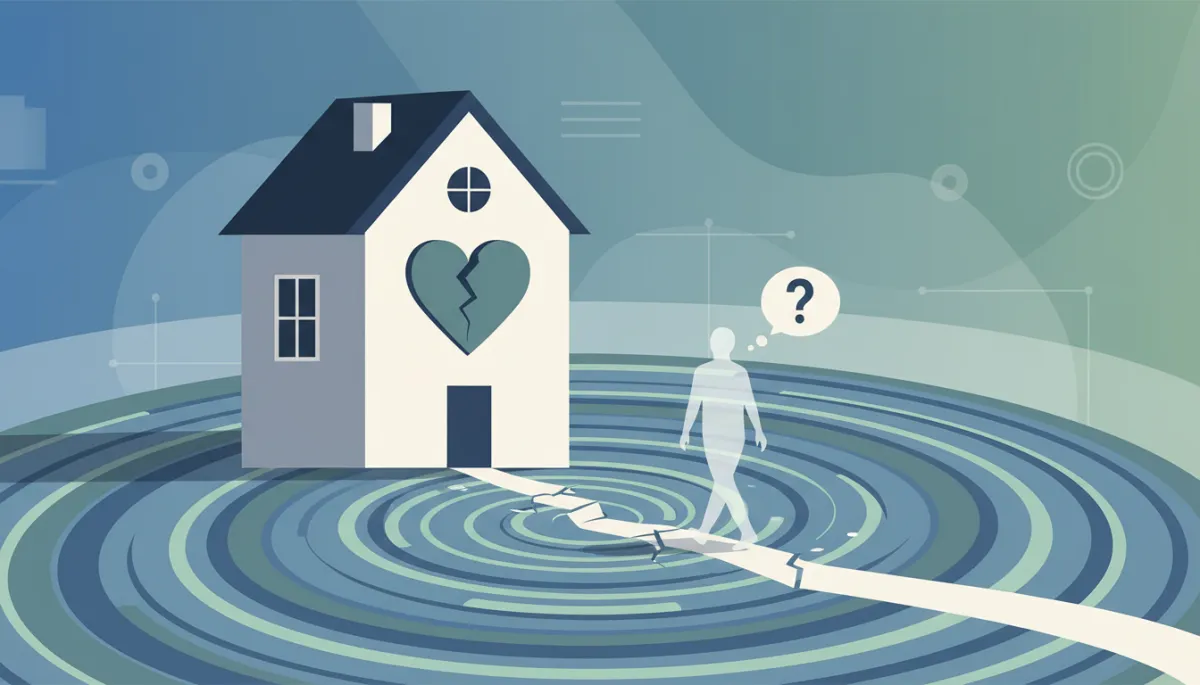
Why Buyers Walk Away From Dream Homes
Real Estate, Home Buying, Buyer Psychology
Why Do Buyers Walk Away From Homes They Initially Love?
It happens all the time: buyers fall head over heels for a property, talk about paint colors and furniture placement, and then suddenly back out. Understanding why this shift occurs can help both sellers and buyers make calmer, smarter decisions.
The Emotional High of First Impressions
Walking into a home that “feels right” can be intoxicating. Staging, lighting, fresh paint, and even a pleasant scent all work together to spark an immediate emotional response. In those first few minutes, buyers are often imagining holidays, family gatherings, and a fresh start. That emotional high is powerful but it doesn’t always last through the more practical stages of the process.
As the excitement settles, buyers begin to ask harder questions: Can we really afford this? What’s hiding beneath the surface? How will this home work for us day to day? The answers to those questions are where many seemingly perfect homes start to lose their shine.
Inspection Surprises and Hidden Issues
One of the most common reasons buyers walk away is what turns up during the home inspection. A property that looked flawless at a showing can reveal costly problems once a professional starts checking the roof, foundation, plumbing, and electrical systems. Terms like “structural concern,” “active leak,” or “improper wiring” can quickly transform excitement into anxiety.
Even if issues are technically fixable, the projected cost and stress of repairs can be enough to send buyers searching for something lower risk. When buyers feel the home may become a financial burden rather than a safe investment, walking away can feel like the only rational choice, no matter how much they loved it at first.

Inspection findings can quickly shift a buyer’s focus from decor to risk.
Financing Realities and Budget Creep
Another turning point arrives when the numbers become real. A home that feels affordable in conversation can feel very different once buyers see the full monthly payment, closing costs, insurance, taxes, and potential HOA fees. If the final figures stretch beyond their comfort zone, fear of becoming “house poor” can outweigh their initial enthusiasm.
Appraisals can also complicate things. If the property appraises for less than the agreed price, buyers may need to bring additional cash to the table or renegotiate. When sellers aren’t willing to adjust, buyers often decide to step back rather than overpay, even if they felt emotionally attached to the home at first sight.
Lifestyle Fit and Second Thoughts
After the initial rush, buyers start testing how the home fits their actual lifestyle. Commute times, school districts, noise levels, storage space, and even the feel of the neighborhood at different times of day all come under scrutiny. A home that seemed perfect on a sunny afternoon might feel less appealing after a rush-hour drive or an evening visit when the street is busier or darker.
Friends and family can influence this stage as well. Well-meaning comments about the location, layout, or resale potential sometimes plant seeds of doubt. As buyers imagine living there for years, small compromises limited parking, a busy road, fewer bedrooms than ideal may start to feel like bigger sacrifices than they seemed during the first showing.
Negotiation Tension and Red Flags in the Process
Sometimes it’s not the house itself, but the experience around it, that causes buyers to walk away. Difficult negotiations, unresponsive sellers, or a feeling that important information is being withheld can erode trust. When communication becomes strained, buyers may worry about hidden problems, delayed timelines, or surprises after closing, and decide it’s safer to move on.
Contract terms can also be a breaking point. Short inspection windows, strict “as-is” clauses, or resistance to reasonable repair requests may signal to buyers that the transaction will be more stressful than it’s worth, even for a home they genuinely like.
Fear of Regret and the Power of Comparison
Buying a home is one of the biggest financial decisions most people ever make, and fear of making the “wrong” choice is real. Once buyers place an offer, they often start noticing other listings more closely, comparing square footage, upgrades, and locations. If another property appears to offer better value, doubt can creep in quickly.
This fear of missing out or fear of overpaying can be enough to derail a deal. Even without a clear problem, some buyers simply feel the weight of commitment and choose to step back rather than risk long-term regret. In those moments, walking away feels safer than pushing forward.
What Buyers and Sellers Can Learn From Walk-Aways
Buyers walking away from homes they initially love isn’t a sign of failure; it’s often a sign of clarity. As more information surfaces about the property, the finances, and their own priorities people refine what they truly need and what they’re willing to compromise on. That process, while sometimes disappointing, usually leads to better long-term decisions.
For sellers, understanding these dynamics can be empowering. Addressing maintenance issues early, pricing realistically, being transparent, and staying flexible in negotiations all reduce the chances of last-minute cold feet. For buyers, recognizing that changing your mind is sometimes part of a healthy decision-making process can ease the pressure and help you stay focused on finding a home that works not just emotionally, but practically and financially as well.


