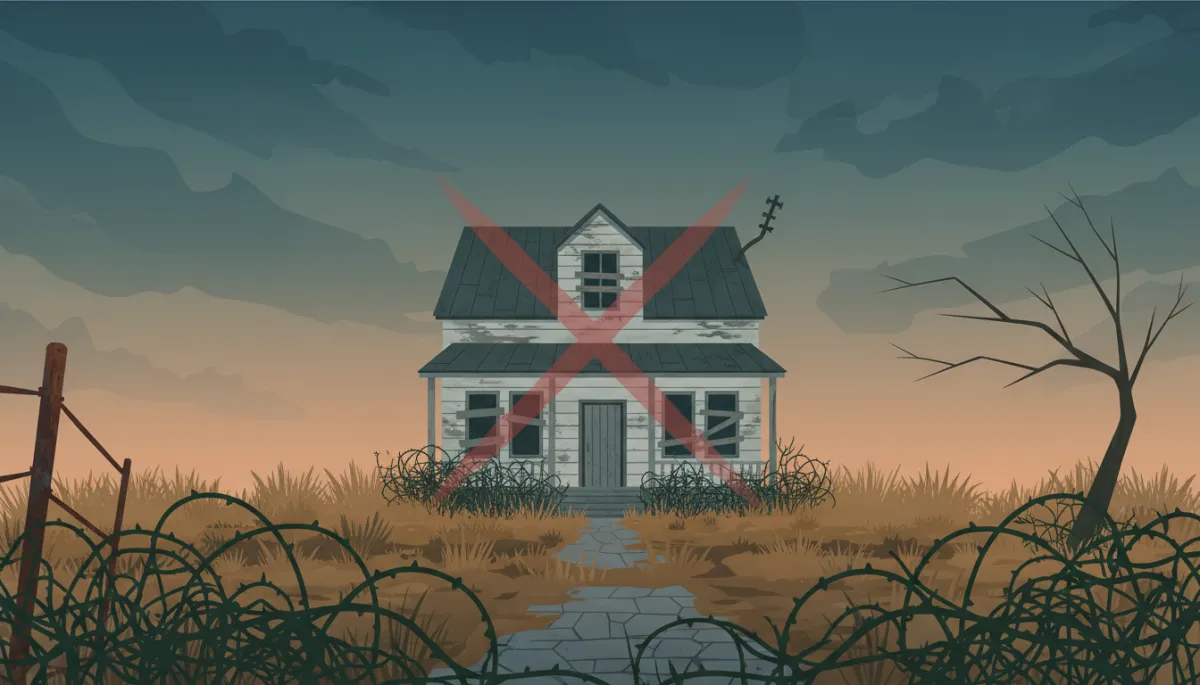
When to Let Go of a Vacant Property
Real Estate, Vacant Property, Homeownership
When Does Keeping a Vacant Property Become More Trouble Than It’s Worth?
A vacant house can feel like a safety net or a future investment but over time, the hidden costs, risks, and emotional strain can quietly turn that “asset” into a burden. Here’s how to tell when it’s time to let go.
The Illusion of “It’s Not Costing Me Anything”
Many owners hold onto a vacant property because it feels paid-for and harmless. In reality, empty homes quietly drain money every month. Even without a mortgage, you’re likely paying:
Property taxes and special assessments
Vacant-home or landlord insurance (usually more expensive than standard homeowner policies)
Utilities kept on at a minimum level to prevent damage (heat, electricity, water)
Lawn care, snow removal, and basic upkeep to avoid city violations
When you total these expenses over a year or two, the numbers can be startling. If your vacant property isn’t generating income and its costs exceed what you’re realistically gaining in value, it may already be more trouble than it’s worth.
Risk Factors: Damage, Vandalism, and Liability
An occupied home naturally gets checked, maintained, and repaired. A vacant one doesn’t. That creates risk in three major areas:
Unnoticed damage. Small leaks, pests, or roof issues can go undetected for months, turning minor repairs into major renovations.
Break-ins and vandalism. Vacant houses are targets for trespassers, theft, and graffiti especially if they look obviously empty from the street.
Liability issues. If someone is injured on the property, even while trespassing, you may still face legal and financial exposure.
⚠️ Warning: Some insurance policies limit or deny coverage if a home is vacant beyond a certain number of days. Always confirm your insurer’s rules if you’re holding an empty property.
Emotional Weight: The Cost You Don’t See on Paper
Vacant homes are often tied to big life events a family home after a loved one passes, a former residence you couldn’t quite say goodbye to, or a property you meant to flip “one day.” Over time, that attachment can turn into guilt and stress:
You feel bad every time you drive by and see it deteriorating.
Family members disagree about what to do, causing tension and delay.
The property becomes one more unfinished task on your mental to-do list.
When the property no longer brings comfort, only anxiety, that’s a strong signal it’s tipping from asset to burden—regardless of its theoretical market value.

Long-term vacancy often leads to both physical deterioration and emotional fatigue for owners.
Practical Signs It’s Time to Let Go
While every situation is unique, several clear indicators suggest that keeping your vacant property no longer makes sense:
You haven’t used the property in over a year and have no specific date or plan for doing so.
Carrying costs are straining your budget or preventing you from pursuing other financial goals, like paying down debt or investing elsewhere.
The property needs significant repairs just to be marketable, and you don’t have the time, money, or desire to take them on.
You’re managing it from a distance, making every small issue like a broken window or city notice feel like a crisis.
The local market is stable or rising, giving you a realistic opportunity to sell without taking a loss.
💡 Pro Tip: Compare your annual carrying costs to what you could earn by selling and investing the proceeds. If the vacant property isn’t clearly winning, it may be time to cash out.
Turning the Page: Options Beyond “Just Holding It”
If you decide your vacant property has become more trouble than it’s worth, you still have choices. You might:
List it on the open market with a local real estate professional.
Sell “as-is” to an investor or cash buyer to avoid repairs and showings.
Explore renting it out if you’re willing to become (or hire) a property manager and the numbers make sense.
The key is to move from indefinite holding to an intentional plan. When a vacant property no longer supports your financial goals or your peace of mind, letting go can be a powerful step toward a lighter, more flexible future.


