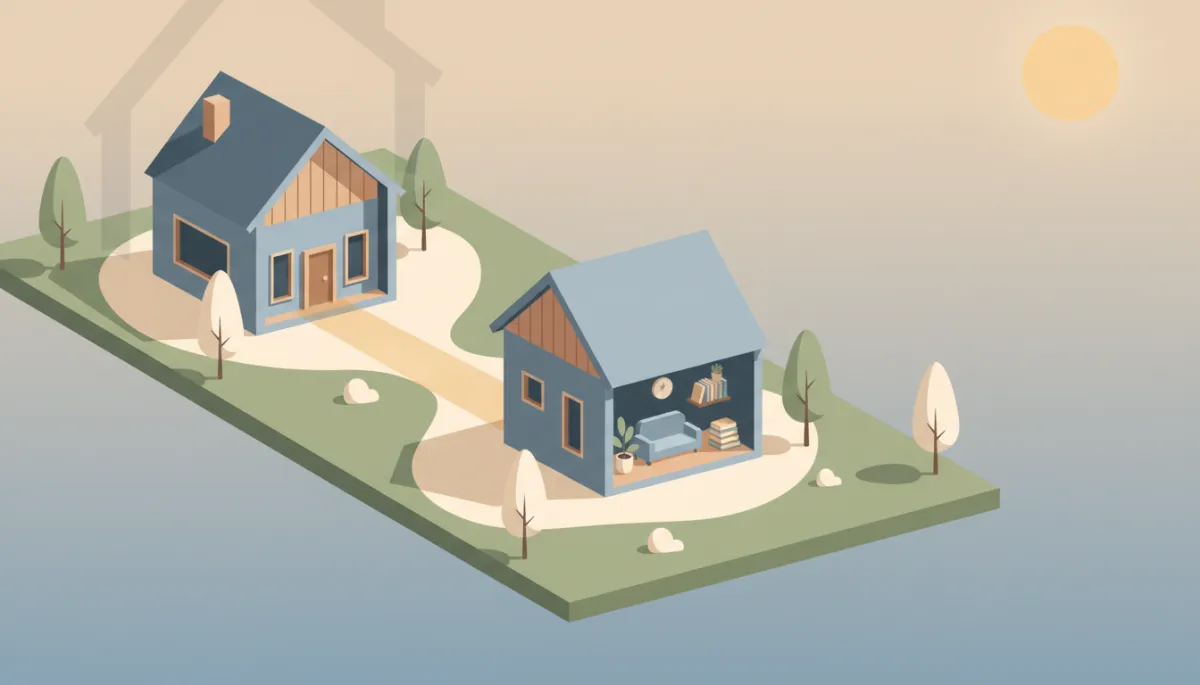
When to Downsize: Signs It's Time for a Smaller Home
Home, Downsizing, Lifestyle
How Do You Know When It’s Time to Move to a Smaller Home?
Deciding to move to a smaller home is rarely about one single moment. It’s usually a series of subtle signs emotional, practical, and financial that add up over time. Recognizing those signs early can help you plan thoughtfully instead of making rushed decisions later.
1. You’re No Longer Using Large Portions of Your Home
One of the clearest indicators that it may be time to move to a smaller home is unused space. If entire bedrooms sit empty except for occasional guests, or if formal living and dining rooms are more like storage zones than gathering spots, your home may be larger than your lifestyle now requires. Paying for square footage you rarely use through your mortgage or rent, utilities, taxes, and insurance can slowly drain your budget without adding much value to your everyday life.
2. Maintenance Feels Overwhelming Instead of Rewarding
Every home needs upkeep, but there’s a difference between manageable chores and constant stress. If yard work, cleaning, repairs, and seasonal tasks feel never-ending or you’re spending more weekends maintaining your home than enjoying it that’s a meaningful sign. A smaller home typically means fewer rooms to clean, less exterior upkeep, and lower ongoing costs for repairs and updates. For many people, the trade-off is more free time, more energy, and less anxiety about what might break next.
💡 Pro Tip: Track how much time and money you spend on home maintenance for a month. If the numbers surprise you, downsizing may free up more than just space.
3. Your Housing Costs Are Limiting Other Goals
Another powerful signal is when your home begins to feel like a financial weight rather than a foundation. If a large portion of your income goes toward your mortgage or rent, property taxes, utilities, and insurance, it may be crowding out other priorities retirement savings, travel, helping family, or simply building a financial cushion. Moving to a smaller home can lower monthly expenses and potentially unlock equity, giving you more flexibility and peace of mind in the long term.
4. Your Lifestyle Has Changed But Your Home Hasn’t
Homes are often chosen for a particular life stage: raising children, entertaining large groups, or accommodating busy careers. As life changes, your needs change too. Perhaps children have moved out, you’re traveling more, working remotely, or prioritizing experiences over possessions. If your home no longer reflects how you actually live day-to-day, you may be holding onto a space designed for a chapter that has already ended. A smaller, well-planned home can feel more aligned with who you are now and where you’re headed next.

Thoughtful decluttering often reveals how much space you truly need to live comfortably.
5. You Want a Simpler, More Manageable Daily Life
Beyond finances and square footage, many people consider moving to a smaller home because they crave simplicity. Fewer rooms can mean fewer belongings, less clutter, and a more intentional way of living. A smaller home can also make it easier to age in place, with fewer stairs and more efficient layouts. If you find yourself longing for easier routines, quicker cleaning, and a home that supports rather than complicates your life, downsizing may be a natural next step.
6. You’re Emotionally Ready to Let Go of “More Is Better”
Finally, you’ll know it’s truly time when the idea of a smaller home feels more freeing than frightening. It’s normal to feel attached to a house filled with memories, but if you catch yourself imagining cozier spaces, fewer possessions, and a lighter to-do list with a sense of relief, that’s a meaningful emotional shift. Moving to a smaller home isn’t about giving up; it’s about choosing what matters most and creating a space that supports that choice.
Moving Forward with Confidence
There’s no universal right moment to move to a smaller home, but there are clear signs: unused rooms, overwhelming maintenance, financial strain, an outdated fit with your lifestyle, and a growing desire for simplicity. If several of these resonate with you, it may be time to explore your options, talk with a trusted real estate professional, and start planning on your own timeline. A smaller home can be a powerful step toward a life that feels lighter, more flexible, and more aligned with what you value today.


