
Unpermitted Work: Impact on Home Sales
Real Estate, Home Selling, Permits
What Happens If Unpermitted Work Is Found During a Home Sale?
Discover how unpermitted renovations can disrupt a home sale, what buyers and sellers can expect, and the practical steps to keep a deal on track.
What Does “Unpermitted Work” Actually Mean?
Unpermitted work is any renovation, addition, or major alteration completed without the required approval from your local building department. This could include finishing a basement, adding a bathroom, moving or adding electrical outlets, changing plumbing lines, or building a deck beyond a certain size. Even if the work looks professional, the key issue is that it was never officially reviewed, inspected, or signed off by the city or county.
During a home sale, unpermitted work often comes to light when the buyer’s inspector notices inconsistencies, when an appraiser flags something unusual, or when the title company or lender compares the home’s current layout to public records and past permits.
Immediate Impact on the Home Sale
Once unpermitted work is discovered, everyone involved in the transaction buyer, seller, agents, and sometimes the lender has to pause and reassess. The main concerns are safety, legality, and value. Buyers worry about hidden defects and future costs, while lenders worry about collateral risk and compliance with local laws. As a result, the sale may slow down, be renegotiated, or in some cases, fall apart entirely if the parties cannot agree on a solution.
📌 Key Takeaway: Unpermitted work rarely makes a sale impossible, but it almost always changes the terms, timing, or price.
How It Can Affect the Sale Price and Negotiations
When unpermitted work is found, buyers often see it as both a risk and a bargaining chip. They may:
Request a price reduction to offset the cost of bringing the work up to code or obtaining permits after closing.
Ask the seller to correct the issue before closing, which may involve retroactive permits, inspections, and repairs.
Negotiate for credits at closing so they can handle the work after they own the home.
In some markets, especially competitive ones, a buyer might accept the risk with minimal concessions. In more balanced markets, however, expect the discovery of unpermitted work to reduce the final sale price or add conditions to the contract.
The Role of Lenders, Appraisers, and Inspectors
Even if a buyer is comfortable with unpermitted work, their lender may not be. Appraisers typically base value on legally recognized square footage and permitted improvements. That means a finished basement or garage conversion done without permits might not be counted in the appraised value, which can create a gap between the agreed purchase price and what the lender is willing to finance.
Home inspectors, meanwhile, will highlight safety and code concerns in their reports. While they do not enforce building codes, their findings can influence buyer confidence and give buyers contractual grounds to request repairs, credits, or cancellation depending on the inspection contingency.
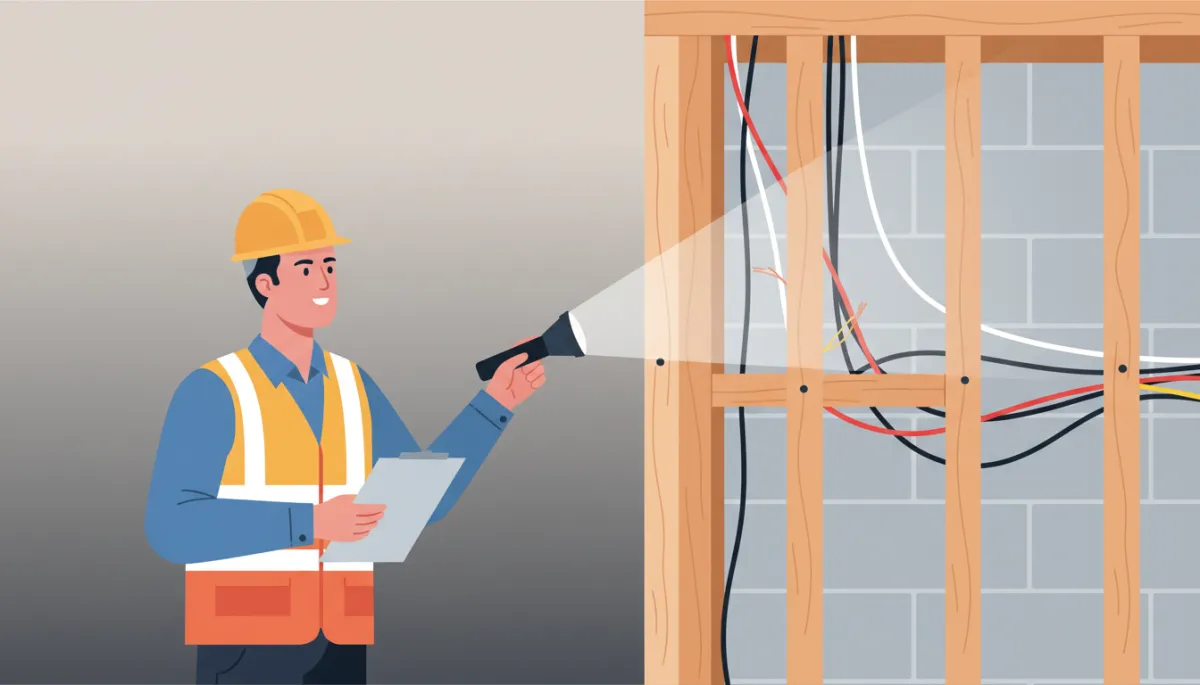
Inspection reports often bring hidden, unpermitted projects to light before closing.
Possible Legal and Financial Consequences for Sellers
Local building departments have the authority to require that unpermitted work be brought up to code. If they become aware of the issue sometimes through a buyer’s permit research or a complaint they may order inspections, demand corrections, or in serious cases, require that portions of the work be opened up or even removed. Fines or penalties are also possible, depending on local regulations and how extensive the work is.
There is another layer of risk: seller disclosure laws. In many areas, sellers must disclose known unpermitted work. Failing to do so, especially if the seller clearly knew about the renovations, can expose them to legal claims from the buyer later, even after the sale closes. Honest disclosure and documentation are critical protections for sellers.
⚠️ Warning: “I didn’t pull permits” is usually better than pretending the issue doesn’t exist. Hiding unpermitted work can turn a manageable problem into a legal headache.
Can You Get Permits After the Fact?
In many jurisdictions, yes. Homeowners can apply for retroactive or “as-built” permits. The building department will review the work, may require plans, and will likely send inspectors to verify that everything meets current codes. If it doesn’t, they may require corrections before approving the permit. This process can take time and money, but it often restores confidence for buyers and lenders and can preserve your sale price.
Whether the seller or buyer handles this process is negotiable. Sometimes sellers start it before listing. Other times, buyers agree to take it on after closing in exchange for a price reduction or credit. The right approach depends on your timeline, budget, and local rules.
Practical Steps for Sellers and Buyers
If You’re the Seller
Gather any records you have: invoices, contractor information, old plans, or emails about the work.
Talk with your real estate agent and, if needed, a real estate attorney about your disclosure obligations.
Consider consulting your local building department about the feasibility and cost of retroactive permits.
If You’re the Buyer
Ask your inspector and, if needed, a specialist (electrician, plumber, structural engineer) to evaluate the quality and safety of the work.
Check with the local building department about what would be required to legalize the improvements.
Use what you learn to renegotiate the price, request repairs, or decide whether the property still makes sense for you.
Final Thoughts: Don’t Panic, but Don’t Ignore It
Finding unpermitted work during a home sale can be unsettling, but it is a common situation with practical solutions. The key is to treat it as a serious but solvable problem: gather facts, involve the right professionals, and adjust the deal terms accordingly. With transparency, realistic expectations, and a bit of flexibility on both sides, most transactions can move forward successfully even when past projects were done without the proper paperwork.


