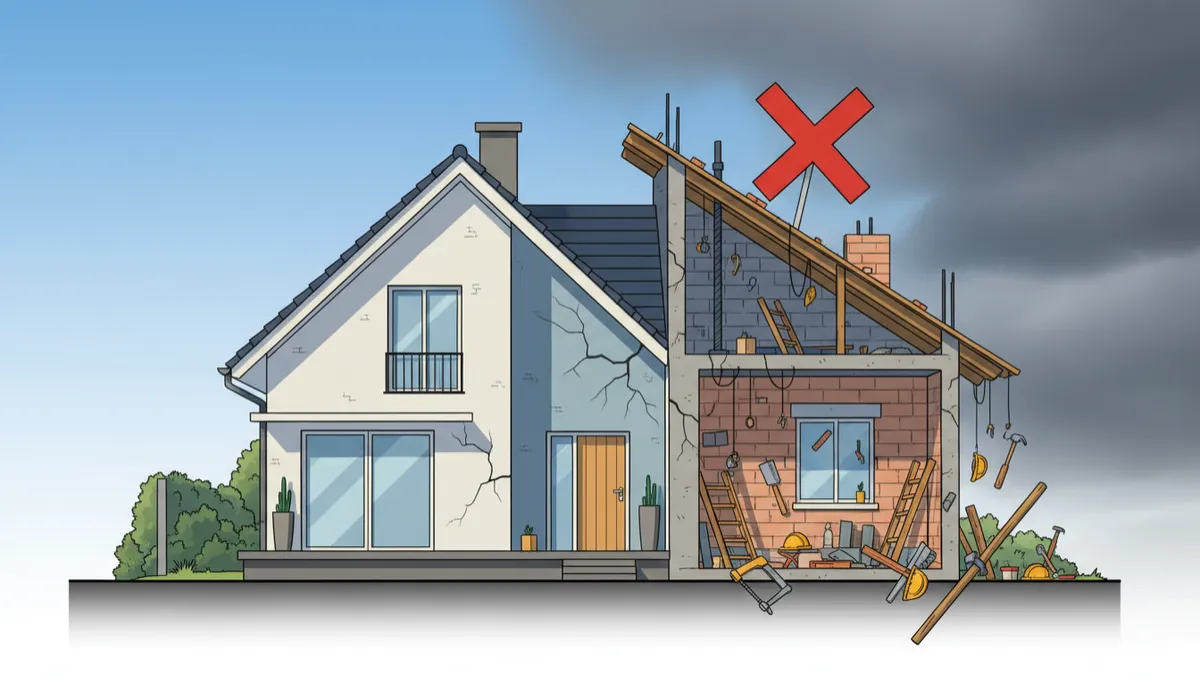
Unpermitted Home Additions: Risks and Solutions
Real Estate, Home Renovation, Permits
What Happens When a House Has Unpermitted Additions or Renovations?
Unpermitted work is more common than many homeowners realize, but it can create serious headaches when it’s time to sell, refinance, or insure a property. Understanding the risks helps you decide what to do next if a home has additions or renovations that never went through the proper approval process.
What Is Considered “Unpermitted” Work?
Work is considered unpermitted when a project that legally requires approval from the local building department is done without obtaining the necessary permits or inspections. This can include:
Room additions, garage conversions, or enclosed patios
Structural changes, such as removing load-bearing walls
Electrical, plumbing, or HVAC upgrades and relocations
Finished basements or attics turned into living space
💡 Pro Tip: Requirements vary by city and county, so even “small” projects may need permits where you live. Always check local rules before starting work.
How Unpermitted Additions Affect Home Value and Square Footage
One of the biggest surprises for sellers is that unpermitted space often can’t be counted as official square footage. Appraisers and lenders typically rely on public records and permitted plans when calculating the value of a home. Even if the addition looks beautiful and functions well, it may be treated as a bonus area rather than true living space on paper.
This can lead to:
Lower appraised value than expected
Buyers demanding price reductions or concessions
Difficulty comparing the home to similar properties in the area
Legal and Financial Consequences for Homeowners
If the city or county discovers unpermitted work, the homeowner may face fines, penalties, and mandatory corrections. In some cases, the building department can require you to open up walls, remove finishes, or even tear down the entire addition so inspectors can verify that it meets code—or bring it up to standard if it doesn’t.
These costs can quickly escalate, especially if:
Structural issues are uncovered during inspection
Previous work used outdated or unsafe materials
Multiple systems (electrical, plumbing, HVAC) are affected
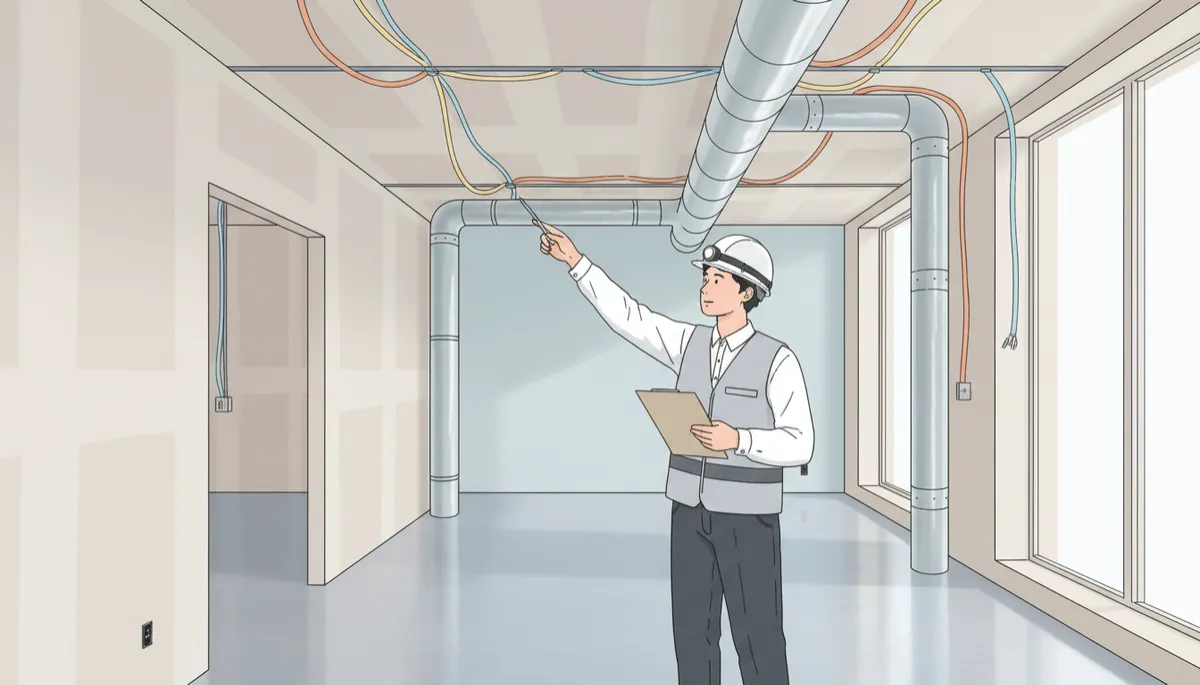
After-the-fact inspections can reveal costly corrections for unpermitted renovations.
Insurance and Safety Risks You Might Not See
Unpermitted work is more than a paperwork issue; it can be a safety hazard. Electrical work that hasn’t been inspected may increase the risk of fire. Improperly installed plumbing can cause leaks, mold, or water damage. Structural changes that bypassed review may not support the weight they’re supposed to carry.
On top of that, insurance companies may:
Deny claims related to unpermitted areas or systems
Limit coverage if they discover non-compliant work after a loss
Refuse to insure certain types of unpermitted additions altogether
⚠️ Warning: If a fire starts in an unpermitted room, your insurer may argue that the risk was never disclosed and decline coverage for some or all of the damage.
Complications When Buying or Selling a Home
During a real estate transaction, unpermitted additions can slow or even stop the deal. Common issues include:
Lender concerns: Banks may refuse to lend on properties with significant unpermitted work, or they may require it to be legalized before closing.
Buyer hesitation: Buyers may worry about hidden costs, safety, or resale issues and either walk away or negotiate aggressively.
Disclosure requirements: In many areas, sellers must disclose known unpermitted work. Failing to do so can lead to legal disputes later.
Can You Fix the Problem After the Fact?
In many jurisdictions, homeowners can apply for retroactive permits or “as-built” permits. This process usually involves:
Submitting plans or drawings of the existing work to the building department
Paying permit fees and any applicable penalties or fines
Allowing inspectors to examine the work, which may require opening walls or ceilings
Making any corrections needed to bring the project up to current code
While this can be time-consuming and expensive, it’s often the best way to protect your investment, restore buyer confidence, and ensure your home is safe and insurable.
What to Do If You Discover Unpermitted Work
Whether you’re a homeowner or a buyer under contract, don’t panic—but don’t ignore it either. Take these steps:
Confirm what permits, if any, were pulled by checking local building department records.
Consult with a qualified contractor, architect, or inspector to assess safety and likely correction costs.
Talk with your real estate agent and, if needed, a real estate attorney about your options and negotiating power.
📌 Key Takeaway: Unpermitted additions don’t automatically kill a deal, but they do change the conversation—often affecting price, timelines, and responsibilities for bringing the work up to code.
The Bottom Line
When a house has unpermitted additions or renovations, the consequences can touch every part of homeownership—value, safety, financing, insurance, and resale. Addressing the issue proactively, with guidance from local professionals, is usually far less painful than waiting for a problem to surface during an emergency or a real estate transaction.


