Top Home Upgrades Worth Investing In
Real Estate, New Construction, Home Upgrades
What Upgrades Are Worth Paying for in a New Home?
Choosing upgrades in a new-build home can feel overwhelming. Some extras are smart long-term investments, while others simply inflate the price without adding much value. Here’s how to decide what’s truly worth paying for when you’re building or buying a new home.
Start with Structure and Layout, Not Décor
The most valuable upgrades are the ones that are difficult, messy, or expensive to change later. Structural features and layout fall firmly into this category. Think extra square footage, higher ceilings, or reconfigured walls that create a better flow.
Adding a bedroom or flex room during construction is far cheaper than a future addition.
Opting for a larger kitchen footprint or open-plan living space can make the home feel more spacious and functional.
💡 Pro Tip: Ask yourself, “Could I reasonably change this after move-in?” If the answer is no, it’s likely an upgrade worth serious consideration.
Kitchen and Bathrooms: High-Impact, High-Return Upgrades
Kitchens and bathrooms sell homes, and upgrades here usually offer strong resale value as well as daily enjoyment. Focus on quality over flash you want timeless, durable finishes rather than trendy details that will date quickly.
Cabinetry and storage: Full-height upper cabinets, soft-close hardware, and pantry space are worth the splurge for both function and appearance.
Countertops: Upgrading to a durable surface like quartz in the kitchen and main baths can boost appeal and longevity.
Primary bathroom layout: A walk-in shower, double vanity, and good storage make everyday life easier and impress future buyers.
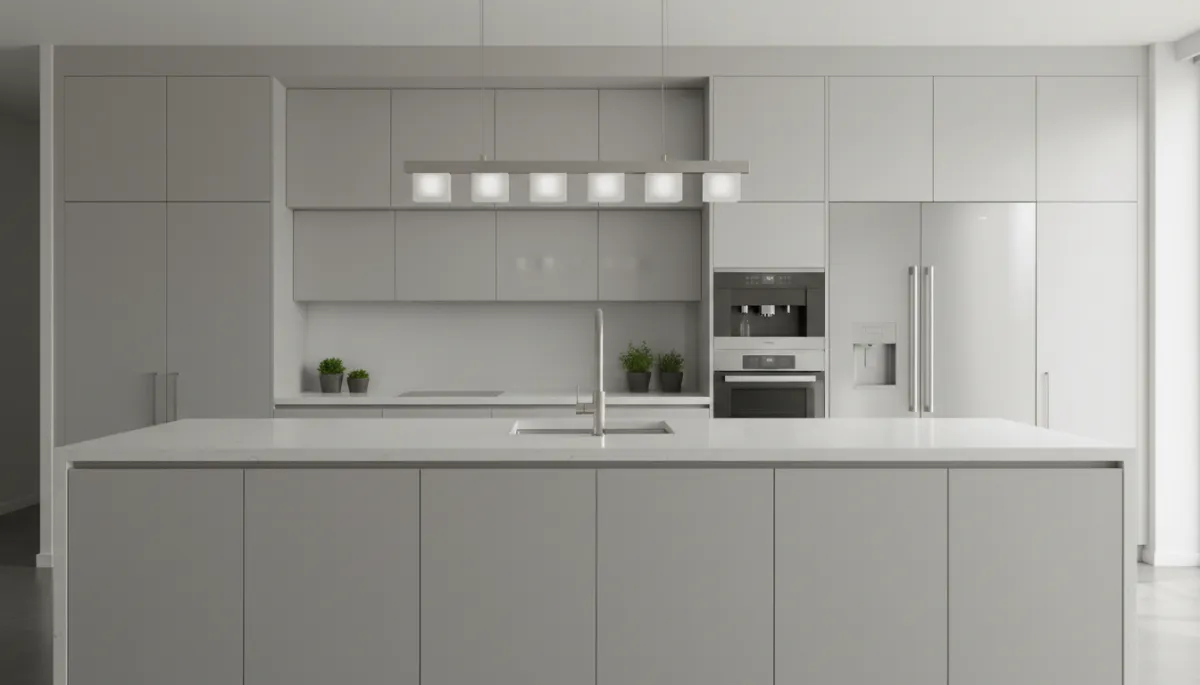
Thoughtful kitchen upgrades often deliver strong resale value and daily convenience.
Flooring and Lighting: Everyday Comfort and Cohesion
Flooring and lighting are more than cosmetic; they shape how a home feels and functions. While you can technically change them later, doing so across an entire house can be disruptive and costly, making them smart upgrades to handle from the start.
Choose durable, consistent flooring in main living areas engineered hardwood, quality luxury vinyl plank, or tile to create a cohesive, high-end look.
Invest in recessed lighting and extra outlets in key rooms. Good lighting is hard to retrofit and dramatically improves livability.
📌 Key Takeaway: Aim for neutral, classic finishes that will still look fresh in 10 years and appeal to a wide range of buyers.
Energy Efficiency and Comfort Features That Pay You Back
Some of the best upgrades are the ones you barely see but feel on your utility bills and day-to-day comfort. Energy-efficient and performance-focused features can reduce costs and make your home more comfortable year-round.
Higher-grade insulation, better windows, and an efficient HVAC system can significantly lower heating and cooling costs.
A programmable or smart thermostat, upgraded weatherstripping, and sealed ducts improve comfort and air quality.
Storage, Wiring, and Smart-Home Prep
Everyday convenience often comes down to the details. Extra storage and smart planning behind the walls can make living in your new home far more practical and upgrading them later is rarely simple.
Consider garage storage, larger closets, and built-in shelving where possible. These upgrades help your home stay organized from day one.
Pre-wiring for internet, speakers, and security systems is far easier during construction than after drywall is up.
What to Skip or Save for Later
Not every upgrade is worth the builder’s markup. Many purely cosmetic items can be tackled later, often at a lower cost and with more choice.
Decorative light fixtures, cabinet hardware, and statement mirrors are easy to swap after move-in.
Designer paint colors and accent walls are typically more affordable when done by a local painter or as a DIY project.
Balancing Budget, Lifestyle, and Resale Value
Ultimately, the best upgrades to pay for in a new home are those that support how you truly live, protect your comfort and efficiency, and make financial sense over time. Prioritize elements that are difficult to change later layout, structural options, major systems, and key finishes in kitchens and baths then layer in cosmetic touches as your budget allows.
By focusing on long-term value instead of short-lived trends, you’ll end up with a new home that feels right from day one and remains a smart investment for years to come.


