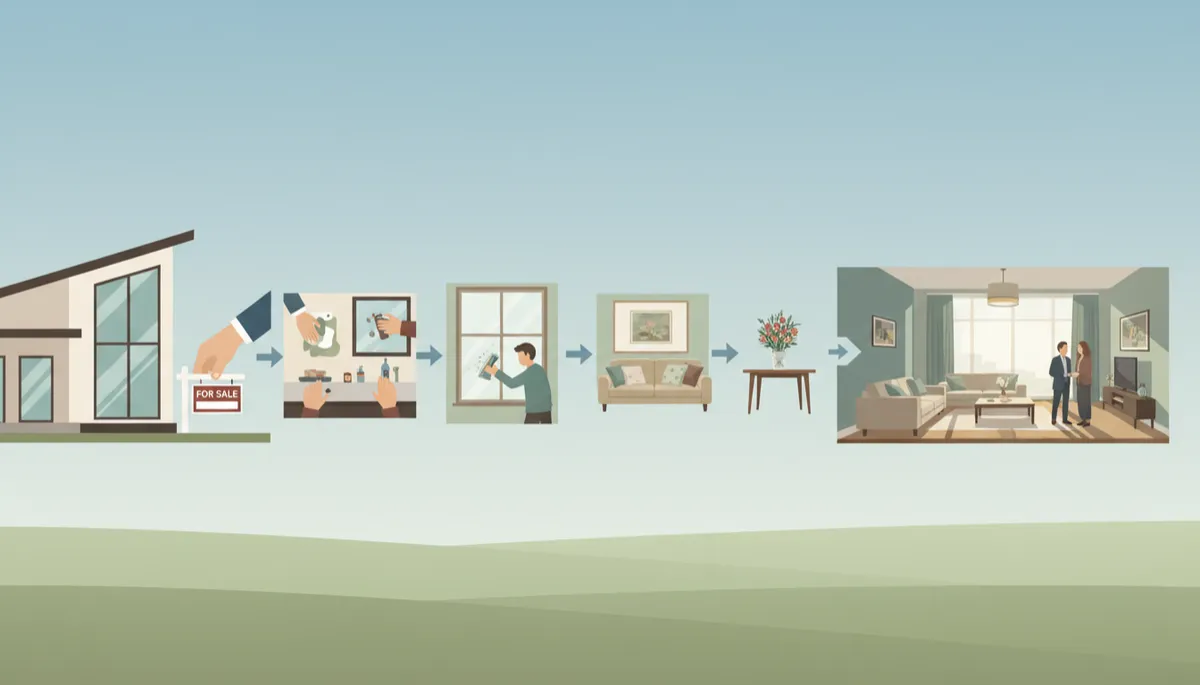
Steps from Listing to First Home Showing
Real Estate, Home Selling
What Really Happens Between Listing Your House and the First Showing?
The moment your home officially hits the market, a quiet whirlwind begins behind the scenes. Here’s a clear, step‑by‑step look at what happens between listing your house and welcoming the very first potential buyer through the door.
Finalizing the Listing Details and Strategy
Once you sign the listing agreement, your agent immediately gets to work turning your home into a market‑ready product. This starts with confirming the asking price, reviewing recent comparable sales, and agreeing on a strategy: will you price to attract multiple offers, or aim closer to top dollar and allow more negotiation room?
At the same time, the agent gathers key information: square footage, lot size, year built, recent upgrades, utility costs, neighborhood amenities, and any restrictions or association fees. All of this becomes the foundation of your online and printed marketing materials, so accuracy is essential at this stage.
Pre‑Showing Prep: Decluttering, Cleaning, and Staging Touches
Before anyone sets foot inside for a showing, your home needs to look its absolute best. This doesn’t always mean a full professional staging, but it does mean thoughtful preparation. You and your agent will walk through each room, identifying what to remove, what to rearrange, and what simple updates could make a big difference, such as fresh towels, neutral bedding, or new light bulbs for brighter spaces.
Many sellers use this window of time to tackle quick fixes: tightening loose handles, touching up scuffed paint, trimming overgrown shrubs, or replacing worn doormats. The goal is to ensure that when the first buyer arrives, they see a home that feels cared for, spacious, and move‑in ready, not a to‑do list of repairs.
💡 Pro Tip: Pack away 20–30% of your belongings before the first showing. Fewer items make rooms feel larger and help buyers focus on the home, not your stuff.
Professional Photos, Floor Plans, and Marketing Assets
In today’s market, the first “showing” usually happens online. That’s why, after the home is prepped, your agent schedules a professional photographer—and sometimes a videographer or floor‑plan specialist. They capture wide, well‑lit images that highlight your home’s best features and logical flow, from curb appeal to backyard.
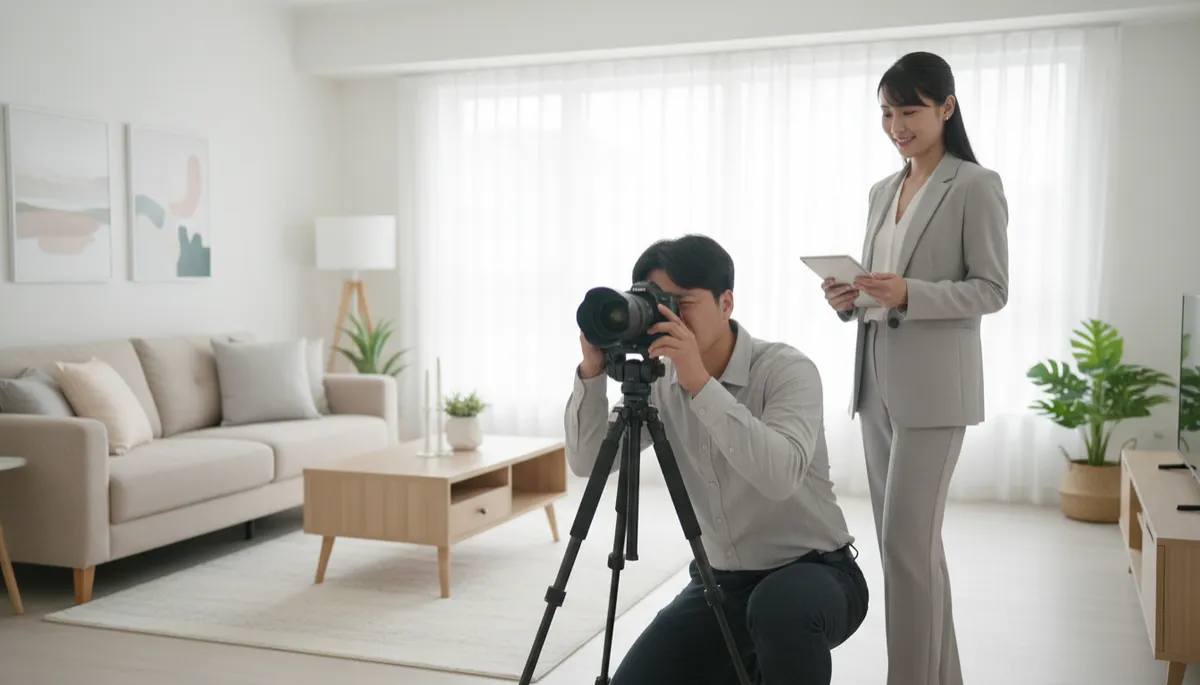
Strong listing photos can dramatically increase online views and early showing requests.
While the visuals are being created, your agent crafts a compelling property description. This copy highlights lifestyle benefits—walkable location, flexible floor plan, home office space—rather than just a list of features. Together, the words and images become the “story” of your home that will draw buyers to schedule that crucial first visit.
Going Live on the MLS and Major Real Estate Websites
Once the photos, details, and description are ready, your home is entered into the Multiple Listing Service (MLS). This is the central database that feeds your listing to other agents and to major consumer sites like Zillow, Realtor.com, and brokerage websites. Within hours, buyer agents receive alerts that a new property matching their clients’ criteria has hit the market.
Your agent may also launch additional marketing: email blasts to their database, social media posts, “coming soon” teasers where allowed, and outreach to colleagues who specialize in your neighborhood or price range. All of this happens before a single buyer walks through the door, building anticipation for those early showings.
Screening Interest and Scheduling the First Showings
As your listing circulates, inquiries begin to come in—through your agent’s phone, email, showing service, or online portals. Before confirming a time, your agent typically screens the interest by checking that the buyer is working with an agent, appears financially qualified, and is genuinely interested in a property like yours, rather than casually browsing.
Together, you’ll decide on showing windows that work for your schedule and keep your home in good condition. Some sellers prefer tightly grouped showings to minimize disruption; others spread them out. Either way, your agent coordinates access instructions, lockbox placement, and any special notes—for example, removing shoes, keeping pets contained, or avoiding certain rooms.
📌 Key Takeaway: By the time the first buyer arrives, your home has already been priced, prepared, photographed, marketed, and pre‑matched with likely prospects. That behind‑the‑scenes work is what makes those first showings count.
The Moment Before the Door Opens
In the final hour before your first showing, you’ll do a quick sweep: lights on, blinds adjusted, counters cleared, trash emptied, and a final check that everything looks and smells fresh. Then, you step out and allow buyers the space to explore, ask questions, and imagine their own lives unfolding in your rooms.
What happens between listing and the first showing may feel invisible, but it’s precisely this preparation and planning that sets the tone for your entire sale. When done well, those early showings can generate strong interest, thoughtful feedback, and often the offer you’ve been hoping for.


