Why Similar Homes Sell for Different Prices
Real Estate, Home Selling, Property Pricing
Why Can Two Similar Homes Sell for Completely Different Prices?
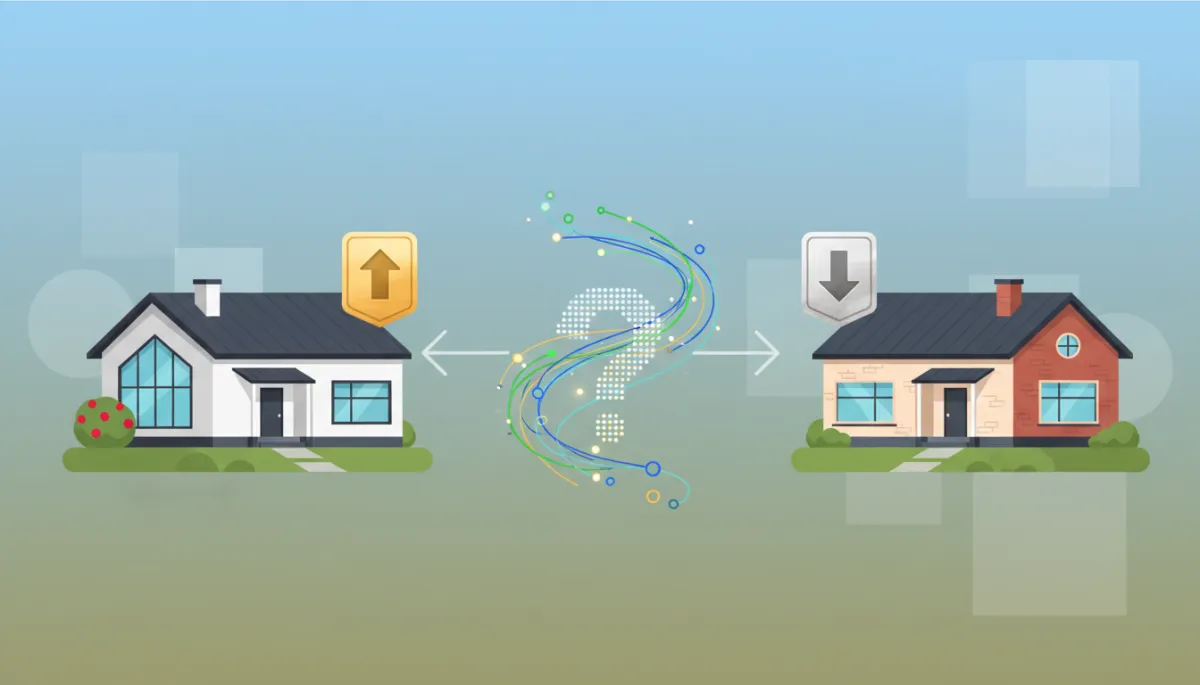
On paper, two homes can look almost identical same number of bedrooms, similar square footage, even the same street yet sell for dramatically different prices. Understanding why this happens can help you price your home wisely, negotiate with confidence, and avoid costly surprises.
“Similar” on Paper vs. Value in Real Life
Real estate listings often reduce a home to a few basic facts: square footage, bedroom and bathroom count, lot size, and year built. These details are useful, but they only tell part of the story. Buyers pay for how a home feels, functions, and fits their lifestyle not just what’s written on the spec sheet.
That’s why two “similar” homes can end up thousands of dollars apart. One may tick the emotional and practical boxes for buyers far better than the other, even if they look nearly identical in an online search filter.
Micro-Location: Small Distances, Big Differences
Location is more than just the city or neighborhood. Micro-location the exact position of a home within an area can significantly influence price. Two houses a few doors apart can feel very different to buyers.
One might back onto a quiet green space, while the other faces a busy road.
Corner lots can offer more privacy or more traffic and noise depending on the layout.
Proximity to schools, parks, transit stops, or commercial areas can be a major plus or minus.
Even sunlight exposure matters. A home with bright, south-facing living areas can feel warmer and more inviting than a darker counterpart, nudging buyers to stretch their budget.
Condition, Updates, and Invisible Costs
Two homes may have the same layout, but their condition and level of updating can be worlds apart. Buyers quickly do the mental math on what it will cost to bring a property up to their standards.
Recently renovated kitchens and bathrooms often command a premium because they are expensive and disruptive to update.
Newer roofs, windows, HVAC systems, and plumbing reduce future repair worries and ongoing costs.
Deferred maintenance peeling paint, worn flooring, aging appliances signals more work and lowers perceived value.
Many of these differences are not obvious in listing photos. Inspection reports, seller disclosures, and a buyer’s own walk-through often reveal the true gap between two “similar” properties.
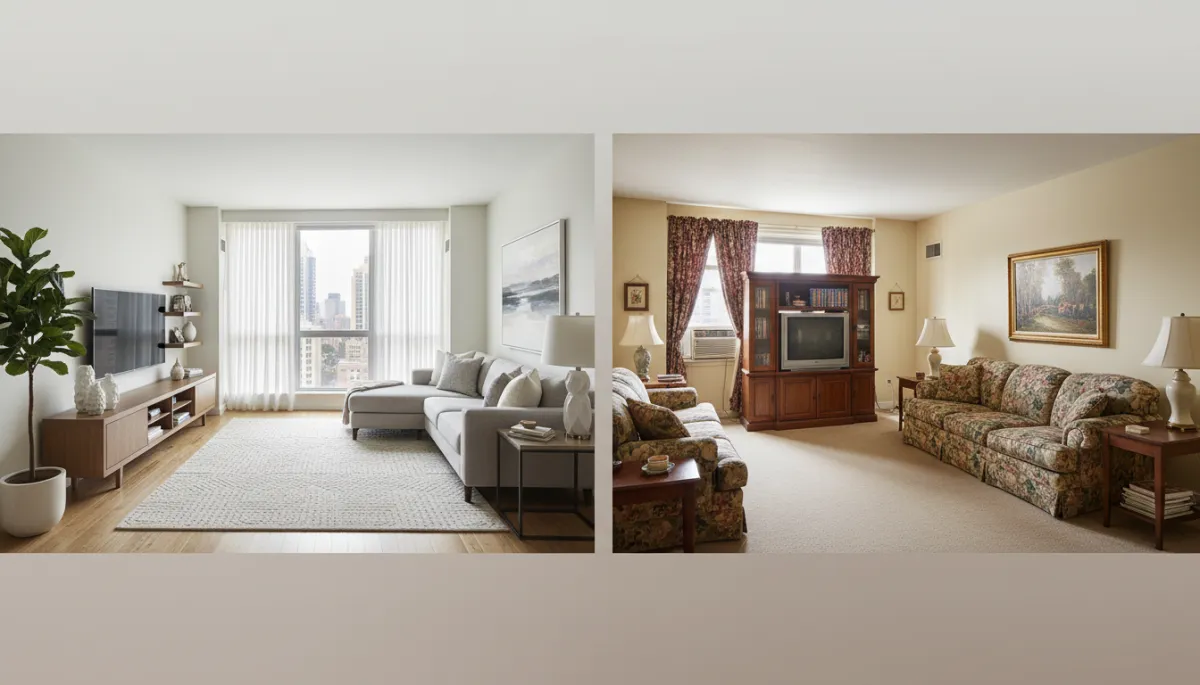
Modern finishes and move-in readiness often justify higher offers from buyers.
Presentation, Staging, and First Impressions
How a home is presented can dramatically impact what buyers are willing to pay. Staging, cleanliness, and curb appeal shape first impressions long before anyone checks the square footage.
A decluttered, well-staged home helps buyers imagine their own lives there, often leading to stronger emotional attachment and higher offers.
Fresh paint, tidy landscaping, and minor repairs signal that the home has been cared for.
Dark rooms, strong odors, or clutter can make even a well-built home feel smaller and less appealing.
💡 Pro Tip: Modest investments in staging, lighting, and landscaping can yield outsized returns compared to leaving a home “as is.”
Timing, Strategy, and Buyer Psychology
The market environment at the moment of listing also plays a major role. Even on the same street, two homes can hit the market under very different conditions.
If one home lists during a period of low inventory and high buyer demand, it may attract multiple offers and sell over asking.
Another, listed when more competing homes are available, might sit longer and sell for less.
Pricing strategy starting slightly below market to spark competition versus pricing too high and chasing the market down can change the final result dramatically.
Motivations also matter. A seller who needs to relocate quickly may accept a lower offer, while another with time on their side might wait for a buyer willing to pay more.
The Bottom Line for Buyers and Sellers
Two similar homes rarely sell for the same price because value in real estate is a blend of facts, feelings, and timing. Micro-location, condition, updates, presentation, market dynamics, and human motivation all interact to shape the final number on the closing documents.
For sellers, this means focusing not only on what your home is, but how it shows and when you bring it to market. For buyers, it means looking beyond the basic stats and understanding why a higher price might actually reflect better long-term value or when a “bargain” could come with hidden costs.
In the end, similar is not the same and recognizing that is the key to making smarter real estate decisions.


