
Shared Ownership: Selling Family Property Tips
Property Law, Family Homes, Shared Ownership
How Shared Ownership Can Affect the Sale of a Family Property
Selling a family home is rarely just a financial decision. When several people co-own the property, emotions, legal rights, and practical realities collide. Understanding how shared ownership works can help you avoid conflict, delays, and costly mistakes when it’s time to sell.
What Shared Ownership of a Family Property Really Means
Shared ownership usually arises when siblings inherit a parents’ home, partners buy together, or relatives invest jointly. On paper, it may look simple: each person owns a share. In practice, that shared ownership controls who can decide to sell, when, and on what terms.
The starting point is how the property is legally held. Co-owners may be “joint tenants” (each owns the whole together, with a right of survivorship) or “tenants in common” (each owns a defined share that can be left in a will). This structure shapes what happens if one person wants to sell and another refuses, or if a co-owner dies before the sale completes.
Decision-Making: Everyone Has a Say, Not Always the Same Way
Shared ownership means shared decisions. Buyers, agents, and solicitors usually want clear instructions from “the owners” but those owners may not agree. Common sticking points include:
Whether to sell at all, or keep the property in the family
When to list the property and how long to keep it on the market
What asking price to set and which offers to accept or reject
If your co-ownership agreement or trust deed doesn’t spell out how decisions are made, you may need unanimous consent. That gives every co-owner a powerful veto, which can stall a sale even where the majority wants to move forward. In some cases, the only way to break a deadlock is through mediation or a court application to force a sale, which adds time, stress, and expense.
How Shared Ownership Influences the Sale Price and Timing
A property jointly owned by family members can be just as attractive to buyers as any other home – but the way co-owners handle the sale can affect value. Disagreements about repairs, staging, or pricing can delay listing or lead to a property being presented poorly, which in turn may reduce offers. Buyers can also be wary if they sense tension or anticipate slow decision-making on the seller’s side.
Timing is another factor. One sibling may want to sell quickly to release funds, while another prefers to wait for a stronger market or needs more time emotionally. Without a clear plan, the sale can drag on, increasing running costs such as insurance, council tax, utilities, and maintenance that all owners remain responsible for while the property is on the market.
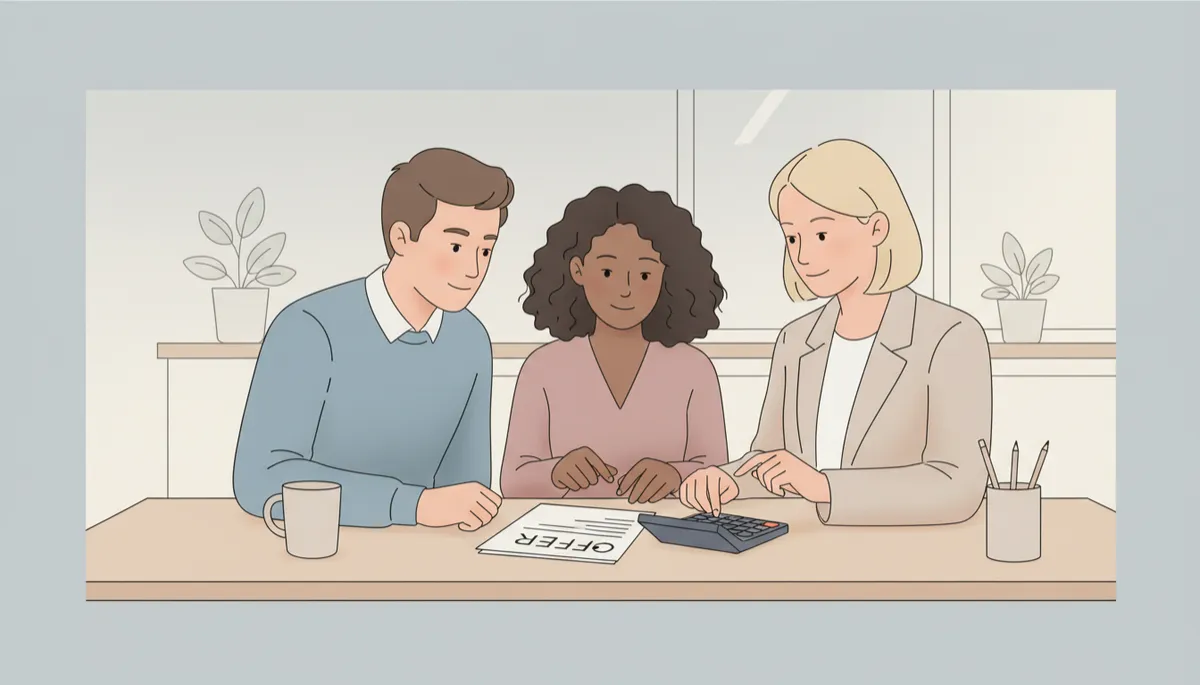
Clear ground rules on price and timing help families respond to offers calmly and consistently.
Dividing the Sale Proceeds Fairly Between Co-Owners
Shared ownership also determines how money is split once the property sells. If each person owns an equal share and has contributed in similar ways, an even split may feel straightforward. But many family situations are more complex. One sibling may have paid the mortgage, another may have funded major renovations, and a third may have provided years of hands-on care for an elderly parent living in the home.
Without a written agreement, disputes can arise over who “deserves” what. In some cases, legal documents such as a declaration of trust, will, or co-ownership agreement will already set out the shares each person is entitled to. In others, families negotiate a fresh arrangement before completion, ideally with independent legal advice so everyone understands their position and signs off on the final distribution.
Practical Steps to Smooth a Family Property Sale
Shared ownership does not have to mean a stressful sale. You can reduce the impact of potential conflicts with a few proactive steps:
Clarify ownership and legal rights early. Ask a property lawyer to review title deeds and any existing agreements before you list.
Agree decision-making rules in writing. Decide who will speak to the agent, what minimum price you will accept, and how you will handle offers and deadlines.
Discuss how costs and proceeds will be shared. Be clear about who pays for repairs, legal fees, and tax, and how the net sale price will be divided.
Consider mediation if tensions rise. A neutral third party can help families reach a compromise before positions harden.
Bringing It All Together
Shared ownership affects almost every stage of selling a family property: from the decision to move, to the price you achieve, to the way proceeds are divided. When handled thoughtfully, it can allow families to honour a shared past while planning for the future. The key is to combine clear legal advice with open communication, so that each co-owner understands their rights, responsibilities, and options before the “For Sale” board goes up.


