
Shared Ownership: Impact on Family Home Sales
Property Law, Family Homes, Shared Ownership
How Shared Ownership Can Affect the Sale of a Family Property
Selling a family property is rarely just a financial decision. When several people share ownership, emotions, legal rights and practical realities all collide, turning what should be a straightforward sale into a complex negotiation.
Understanding What Shared Ownership Really Means
Shared ownership usually arises when siblings inherit a home, a couple separates but keeps a joint asset, or relatives buy a property together. Legally, this is often structured as joint tenants or tenants in common. Either way, more than one person has a legal stake in the property, and that has direct consequences when you want to sell.
Each co-owner’s consent, financial situation and long‑term plans can influence the timing, price and even the possibility of a sale going ahead. The more people involved, the more moving parts there are to manage.
Decision-Making: When Not Everyone Agrees to Sell
One of the biggest ways shared ownership affects a sale is decision‑making power. In most cases, all registered owners must sign the sale documents. If even one person refuses, the sale can stall completely, no matter how attractive the offer is or how urgent the circumstances feel to others.
Disagreements may arise over:
Whether to sell at all, especially if someone lives in the property
The minimum price they are willing to accept from a buyer
The timing of the sale and how quickly to move
💡 Pro Tip: Before instructing an agent, hold a clear, documented discussion between all co‑owners about price expectations, timescales and non‑negotiables. This can prevent last‑minute walk‑outs.
Emotional Ties and Family Dynamics
Family homes carry memories. One sibling may see the property as a nest egg to fund their own home, while another views it as the last link to a parent. These emotional ties can slow decisions, push people to hold out for unrealistic prices, or cause resentment if one person feels pressured to sell before they are ready.
Emotions do not change the legal position, but they absolutely affect how smoothly the sale proceeds. A process that should take months can drag on for years if difficult conversations are avoided instead of addressed.
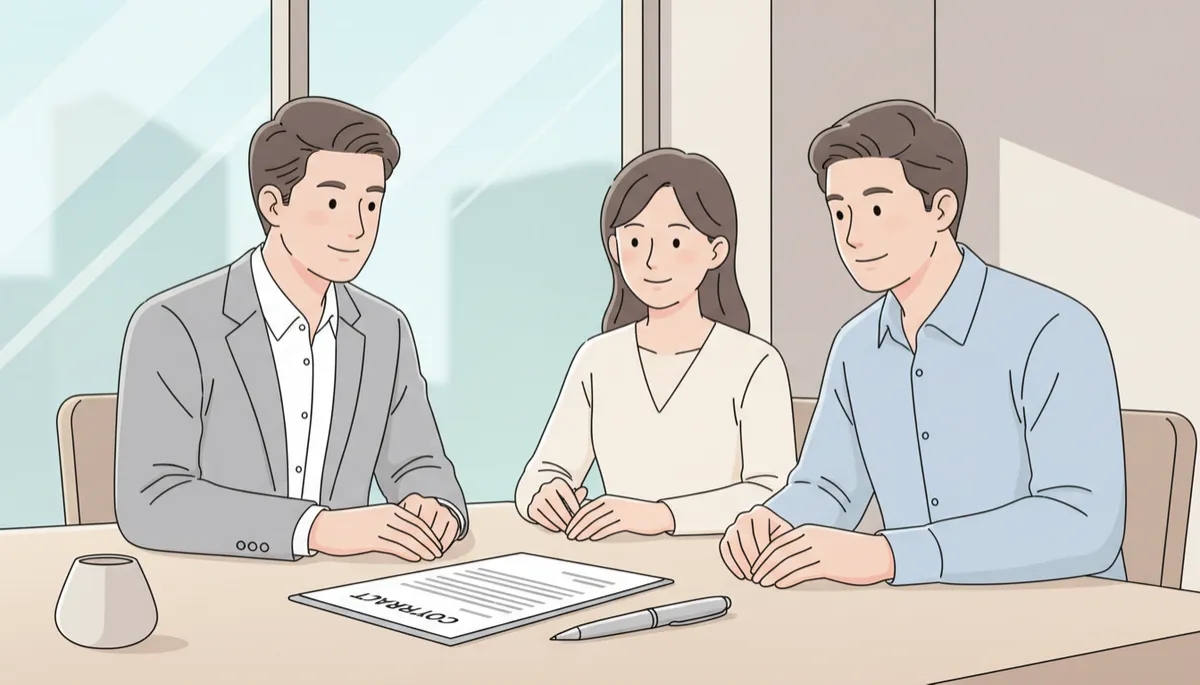
Early legal advice can turn emotional disagreements into clear, workable options.
Financial Contributions and Dividing the Sale Proceeds
Shared ownership also raises the question of who gets what when the property finally sells. If one person has paid the mortgage for years, funded major renovations or covered repairs, they may feel entitled to a larger share of the proceeds than their legal share suggests.
Without a written agreement, these issues can become flashpoints at the worst possible time—just as a buyer is ready to exchange contracts. A solicitor can help co‑owners record how sale proceeds will be divided, taking into account both legal ownership and any additional contributions that everyone agrees on.
Practical Complications: Mortgages, Taxes and Repairs
Shared ownership can also complicate the practical side of selling. If there is a mortgage, all borrowers must cooperate with the lender. If one owner has financial difficulties, this may affect the ability to redeem the loan or obtain necessary consents. Likewise, decisions about paying for last‑minute repairs, legal fees and estate agency costs need joint agreement.
There may also be tax considerations, such as capital gains tax, which can affect some co‑owners more than others, depending on whether they have lived in the property or own other homes. These differences can influence each person’s willingness to sell and their preferred timing.
When One Owner Wants Out: Possible Solutions
Sometimes, one co‑owner urgently needs their share of the money, while others want to hold on. In that case, you may explore options such as:
One owner buying out the others at an agreed market value
Refinancing the mortgage so only those staying on the title remain liable
In extreme cases, asking a court to order a sale if no agreement can be reached
Court action is usually a last resort. It is costly, time‑consuming and can permanently damage family relationships. But knowing it exists can sometimes encourage more constructive negotiations between co‑owners.
Planning Ahead to Protect Relationships and Value
Shared ownership does not have to spell conflict. With clear communication, written agreements and early professional advice, families can sell a shared property in a way that feels fair, respectful and financially sensible for everyone involved.
If you are considering selling a family property with co‑owners, take time to understand each person’s position, put agreements in writing, and seek guidance from a property lawyer or financial adviser. Doing so can protect both the value of the home and the relationships that matter most.


