
Selling Property with Shared Well: Key Insights
Real Estate, Home Selling, Shared Wells
What Should You Know Before Selling a Property With a Shared Well?
Selling a home with a shared well is absolutely doable, but it does require more preparation and clear communication than a typical city-water property. Understanding the legal, practical, and financial details up front can help you avoid delays, renegotiations, or even a failed sale.
Understand Exactly How the Shared Well Agreement Works
The first thing buyers and their lenders will want to see is documentation. A written shared well agreement should clearly spell out who owns the well, who can use it, and how costs are shared. If your agreement is only verbal, vague, or decades old, this can raise red flags for cautious buyers and mortgage underwriters.
Ideally, the agreement is recorded with the county and includes:
Which properties are served by the well and where it is located
Who is responsible for maintenance, repairs, and electricity to run the pump
How costs are split and how disputes are resolved
What happens if one party wants to drill a new well or disconnect
💡 Pro Tip: If your shared well agreement is missing or outdated, talk with a local real estate professional and possibly an attorney before you list the property so you have time to update it.
Know the Water Quality and Production Capacity
Buyers will want reassurance that the shared well is safe and reliable. Many lenders require recent water quality tests for bacteria, nitrates, and other contaminants, as well as proof that the well produces enough water for all homes it serves. Even if it is not required, having this information ready can help build buyer confidence and avoid last-minute surprises during inspections.
Consider ordering:
A certified lab test of the water quality (often valid for a limited time)
A flow or yield test to show gallons per minute the well can produce
A basic inspection of the well equipment, pressure tank, and visible components
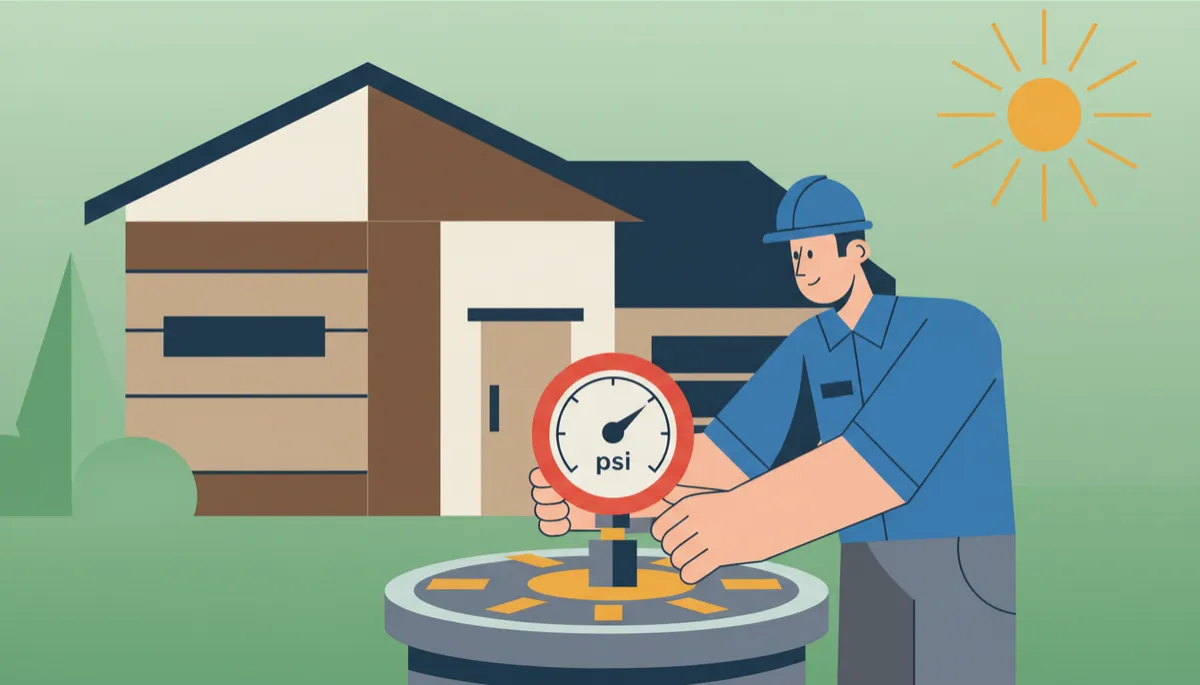
Upfront well testing can calm buyer concerns and keep negotiations on track.
Be Prepared for Lender and Appraiser Requirements
Not all financing programs treat shared wells the same way. Some conventional, FHA, VA, or USDA loans have very specific standards for shared water systems, including distance between homes and the well, minimum flow rates, and the existence of a recorded maintenance agreement. If your buyer is using one of these loan types, the lender may request extra documentation or repairs before approving the loan.
Working with a local agent who understands how area lenders view shared wells can help you:
Anticipate what documentation will be requested and gather it early
Price the home appropriately given the shared system and current market
Address buyer questions before they become deal-breaking objections
Disclose Honestly and Document Past Issues
In most states, sellers are required to disclose known issues with wells, including past contamination, pump failures, or ongoing disputes with neighbors. Even if your state’s forms are brief, being transparent about the well’s history protects you from future legal headaches and helps serious buyers feel more comfortable moving forward.
It is helpful to gather:
Service records, repair invoices, and pump replacement dates
Any past water test results and how issues were corrected, if applicable
Notes on how neighbors share costs today and whether payments are up to date
⚠️ Warning: Trying to hide shared well problems can backfire during inspections or after closing. Full disclosure is almost always cheaper than a future dispute.
Talk With Your Neighbors Before You List
Because a shared well affects more than one property, your neighbors are part of the picture. Let them know you are planning to sell and that buyers may have questions about the well or the agreement. Clarifying how bills are handled and confirming that everyone is current on their share can prevent awkward surprises when buyers start calling or inspectors arrive.
In some cases, your neighbors may need to sign updated paperwork or cooperate with testing. A friendly conversation early in the process can make that much smoother and show buyers that the arrangement is stable and cooperative, not contentious.
Work With an Agent Who Understands Shared Wells
Shared wells are common in many rural and semi-rural areas, but they are still unfamiliar to a lot of buyers and agents. Having an experienced local professional in your corner can make a big difference in how smoothly the sale goes, from pricing and marketing to negotiations and closing. The right agent will help you gather documentation, coordinate testing, and clearly explain the benefits and responsibilities of your shared system to potential buyers.
Ready to Sell a Home With a Shared Well?
With the right preparation, a shared well does not have to be an obstacle to a successful sale. By understanding your agreement, testing the water, anticipating lender requirements, and working with a knowledgeable real estate professional, you can move forward with confidence and attract serious, qualified buyers who appreciate your property’s unique features.
Contact John Meier – Westplex Real Estate today to start planning your move:
📞 Call or text: (636) 242-5365
🌐 Visit: JohnMeierSells.com


