
Selling Property with Expired Permit: Key Insights
Real Estate, Building Permits
Selling a Property With an Expired Building Permit: What Should You Know?
Discover what happens when you sell a home that has an expired building permit, how it can affect your sale, and the practical steps you can take to protect yourself and keep the transaction on track.
Can You Sell a Property With an Expired Building Permit?
In most areas, you can legally sell a property that has an expired building permit, but that does not mean you should ignore it. Expired permits raise questions for buyers, lenders, and inspectors about whether the work was completed properly, inspected, or even done to code at all. Those questions can slow down your sale, reduce your negotiating power, or in some cases cause a deal to fall through if not handled carefully.
A building permit typically expires when work stops for a certain period or when the time limit set by your local authority passes. Once expired, the local building department may consider the project incomplete, even if you finished the work yourself. That “open issue” becomes part of the property’s history, and it is something a diligent buyer, agent, or title company is likely to uncover during due diligence.
What an Expired Permit Signals to Buyers
To a potential buyer, an expired building permit is a red flag that says, “Something here might not be finished or inspected.” Even if everything was done safely, the lack of a final inspection can create uncertainty about:
Whether the work meets current building codes and safety standards
If there could be hidden defects behind walls, ceilings, or floors
Possible future problems with insurance coverage or resale value
Lenders and appraisers may also take expired permits seriously, especially if the work involved structural changes, electrical systems, plumbing, or additions that affect square footage. In some cases, a lender may require the issue to be resolved before approving financing, which directly affects your ability to close the transaction on time.
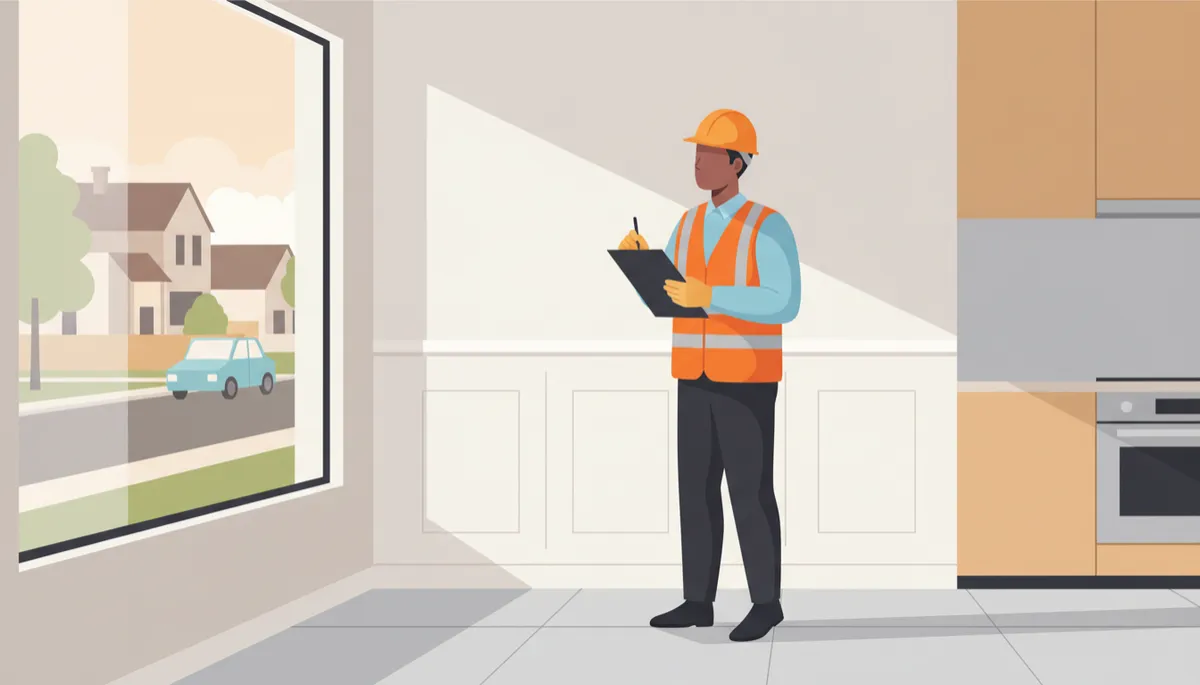
Clear documentation and inspections can turn a potential red flag into a manageable disclosure.
What You Should Know Before Listing Your Home
1. Start by Confirming the Permit Status
Do not rely on memory or old emails. Contact your local building department, or check their online portal if available, to confirm:
The type of permit that was issued (e.g., electrical, addition, remodel)
When it was issued and when it expired
Which inspections, if any, were completed and passed
Having this information in writing helps you and your real estate agent decide how to address the issue and what to disclose to buyers.
2. Explore Your Options to Resolve or Manage the Permit
Your choices will depend on the scope of the work and local rules, but common approaches include:
Reopening or renewing the permit: Some jurisdictions allow you or a licensed contractor to reactivate the permit and schedule final inspections, often with a fee.
Applying for a new permit: If too much time has passed, you may need a fresh permit and updated plans that meet current code.
Selling “as is” with disclosure: You may decide not to complete the process and instead adjust your price or offer credits while clearly disclosing the expired permit.
💡 Pro Tip: Ask a local contractor or real estate attorney what your building department typically requires to close out old permits before you spend money on repairs or re-inspections.
3. Understand Your Disclosure Obligations
Most sellers are legally required to disclose known material facts about their property, and an expired building permit almost always falls into that category. Failing to disclose it can expose you to future disputes or even legal claims if the buyer later discovers unpermitted or uninspected work that leads to problems or extra costs.
Work closely with your real estate agent to complete the property disclosure forms accurately. Provide copies of any permits, inspection reports, and contractor invoices so buyers can see what was done and by whom. Transparency often builds trust and can make buyers more comfortable moving forward, even when an expired permit is involved.
4. Plan for Negotiation and Timing
Addressing an expired permit can take time, especially if inspections reveal corrections that are needed. If you decide to resolve the permit before listing, build that timing into your selling plan. If you choose to sell “as is,” expect buyers to factor the risk and potential cost into their offers or to request a credit at closing.
Either way, it is better to anticipate these conversations early than to be surprised halfway through a transaction. A clear strategy can help you keep control over your timeline and your bottom line.
Final Thoughts: Protect Yourself and Your Sale
Selling a property with an expired building permit is not the end of the world, but it does require foresight. Confirm the status of the permit, understand what work was done, explore your options for closing it out or managing it, and disclose everything clearly. By doing so, you reduce the risk of last-minute surprises, protect yourself from future disputes, and give buyers the confidence they need to say yes to your home.


