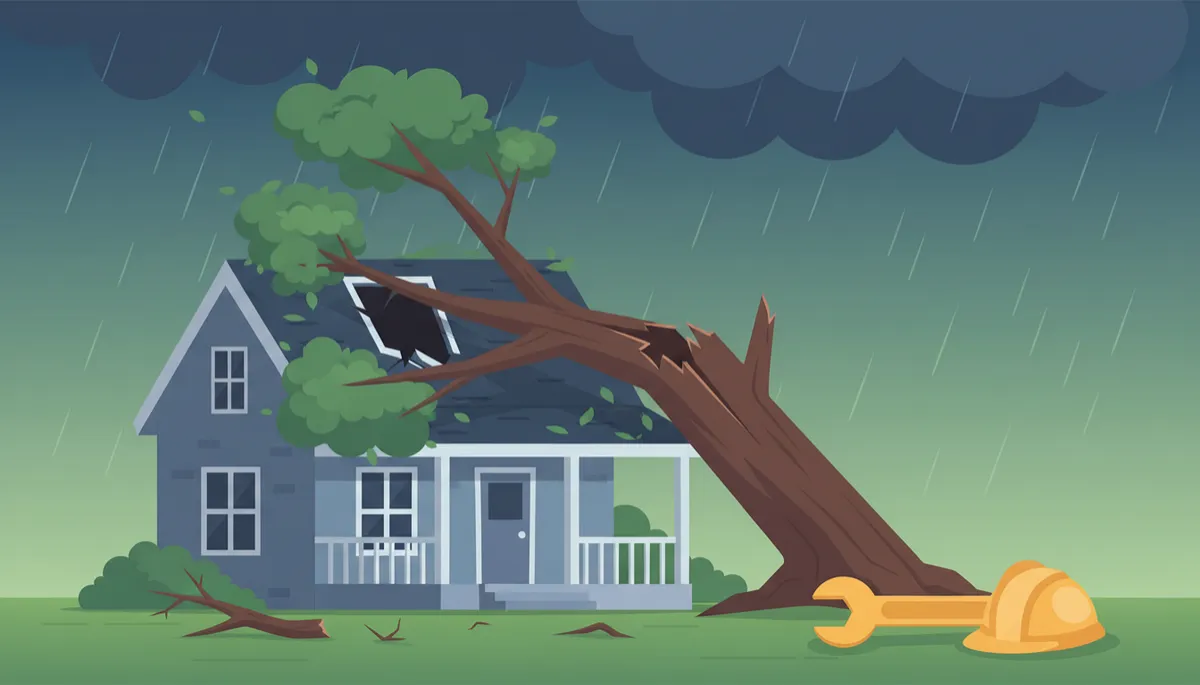
Selling a House with Tree Damage: First Steps
Real Estate, Home Selling, Property Damage
Selling a House With Tree Damage: What Should Homeowners Do First?
When a tree falls on your property, it can feel overwhelming especially if you were planning to sell your home. The good news is that selling a house with tree damage is absolutely possible if you follow a clear, calm plan of action from day one.
Can You Sell a House With Tree Damage?
Yes, you can sell a house that has suffered tree damage but how you sell it will depend on the severity of the damage, your budget, and your timeline. Some homeowners repair everything before listing, while others sell “as is” at a discount to investors or cash buyers. The key is to understand your options and legal obligations before you rush into a decision.
Tree damage can affect more than just the roof. It may compromise the structure, siding, windows, gutters, fencing, and even underground utilities. Buyers and their lenders will want reassurance that the property is safe and that any remaining issues are clearly documented and priced into the sale.
What Homeowners Should Do First: A Step‑by‑Step Checklist
1. Put Safety Ahead of Everything Else
Before you think about buyers or listing photos, make sure the property is safe. If a tree has fallen on the house, detached limbs are hanging, or power lines are involved, keep everyone away from the area and contact emergency services or your utility company. Do not climb onto the roof or attempt DIY removal this is dangerous and can make the damage worse.
⚠️ Warning: If you see downed or sagging power lines, treat them as live. Call the utility company immediately and wait for clearance before allowing any tree or roofing crews to begin work.
2. Document the Damage Thoroughly
Once it’s safe to do so, take clear photos and videos of every affected area: the tree itself, roof, interior ceilings, walls, floors, and any damaged outdoor structures. Capture wide shots for context and close‑ups for detail. This documentation will be crucial for insurance claims, contractor estimates, and later, for full disclosure to potential buyers.
3. Call Your Homeowners Insurance Company
Most policies cover sudden tree damage caused by storms, wind, or lightning, but coverage details vary. File a claim as soon as possible and provide the photos, videos, and a written description of what happened. Ask your adjuster:
What repairs are covered, and what is your deductible?
Whether tree removal and debris cleanup are included.
How long the claim process typically takes in your area.
Understanding your out‑of‑pocket costs will help you decide whether to repair the damage before selling or market the home in its current condition.
4. Bring in Qualified Professionals Early
After the initial shock, your next step is to assemble the right team. At a minimum, that usually includes:
A licensed arborist or tree service to safely remove the tree and assess remaining trees for risk.
A roofing contractor to evaluate structural and water damage.
A local real estate agent experienced with storm‑damaged or “as‑is” properties.

A coordinated team helps you compare repair costs against your likely sale price.
5. Decide: Repair Before Selling or Sell “As Is”?
Once you have insurance information and contractor estimates, you can make a strategic choice. Repairing the damage typically opens your home to a wider pool of buyers and traditional financing, which can mean a higher sale price. Selling “as is” may be faster and require less upfront cash, but buyers will expect a discount that reflects the risk and hassle they’re taking on.
💡 Pro Tip: Ask your real estate agent for two pricing scenarios one if you complete key repairs and one if you sell the home in its current condition. Comparing these side by side often clarifies the better path.
Disclosures, Inspections, and Setting Buyer Expectations
Regardless of which route you choose, you’ll need to fully disclose the tree incident and resulting repairs or remaining damage. Provide buyers with:
Copies of insurance claim documents and contractor invoices.
Any engineering or structural reports, if obtained.
Warranties on roofing or other major repairs, when available.
Transparency builds trust and reduces the risk of last‑minute deal collapses. Many buyers are comfortable with past storm damage if they can see that the work was done properly and the price reflects the home’s current condition.
The Bottom Line for Homeowners Facing Tree Damage
Selling a house with tree damage doesn’t have to derail your plans. Start with safety, document everything, involve your insurance company, and lean on experienced professionals. From there, you can make a clear, informed choice about repairing or selling as is so you can move on with confidence to your next home.


