Selling Homes with Attached Apartments: Key Tips
Real Estate, Home Selling, Attached Apartment
Selling a House With an Attached Apartment: What Owners Should Consider
A home with an attached apartment can be a powerful selling feature if you position it correctly. Here’s what owners should understand before putting this type of property on the market.
Why an Attached Apartment Can Be a Selling Advantage
A house with an attached apartment sometimes called a mother-in-law suite, accessory dwelling unit (ADU), or guest quarters offers flexibility that many buyers actively seek. It can be used for multigenerational living, a private space for an adult child, a home office, or potential rental income. When marketed correctly, this added versatility can help your home stand out in a crowded market and justify a higher asking price than comparable properties without the extra unit.
However, not every buyer is looking for an attached apartment, and some may see it as “extra space” they’re unsure how to use. That’s why it’s important to present the apartment as an asset, clearly explaining how it can benefit different types of buyers from investors to families to work-from-home professionals.
What Owners Should Consider Before Listing
1. Local Zoning, Permits, and Rental Rules
One of the most important steps is confirming how your attached apartment is classified. Was it built with permits? Is it recognized by the city or county as a legal apartment or accessory unit? Are there restrictions on renting it out long term or as a short-term rental? Buyers and their lenders often want this clarity up front. Having documentation ready can prevent surprises during inspections or underwriting and can make your listing more attractive to serious, qualified buyers.
💡 Pro Tip: Gather building permits, floor plans, and any rental licenses or occupancy certificates before you list. Your agent can use these to answer buyer questions confidently.
2. How the Space Is Laid Out and Accessed
Buyers will look closely at how private and functional the apartment feels. Consider:
Entrance: Is there a separate exterior entrance, or is the apartment only accessible through the main house?
Sound and privacy: Are there solid doors, good insulation, and clear boundaries between the spaces?
Parking: Is there convenient, safe parking for someone living in the apartment?
Small improvements like better lighting, clear signage, or a privacy fence can make the apartment feel more independent and appealing to buyers who plan to host tenants or extended family members.
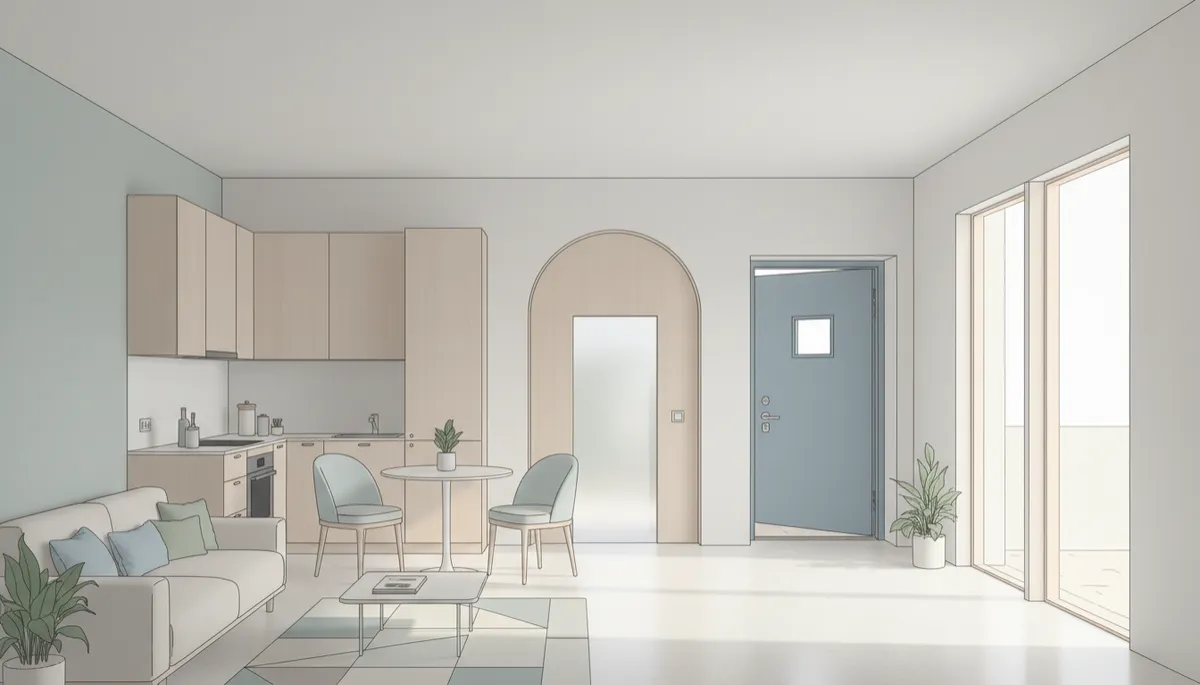
A clean, clearly defined apartment layout helps buyers instantly picture practical everyday use.
3. Current Tenants and Lease Agreements
If your attached apartment is currently rented, you’ll need to factor that into your selling strategy. Some buyers especially investors will appreciate an immediate income stream and may value the property higher because of it. Others may want the apartment vacant at closing so they can move in a relative or use the space themselves. Review the lease terms, notice requirements, and security deposits, and discuss with your real estate professional how best to position the property for your target buyer.
4. Pricing and How Appraisers View the Apartment
Determining the right price for a house with an attached apartment is more nuanced than simply adding the value of another bedroom. Appraisers and buyers will look at comparable sales in the area, the size and quality of the apartment, and whether it’s fully self-contained with its own kitchen and bath. A local agent who understands these types of properties can help you set a price that reflects both the home and the extra flexibility the apartment provides, without scaring off buyers with unrealistic expectations.
5. Presenting the Space in Your Marketing
Strong marketing is essential. Professional photos, a clear floor plan, and a well-written description should highlight multiple possible uses: rental income, guest suite, home office, caregiver quarters, or independent space for older kids. Staging the apartment with simple, neutral furnishings can help buyers imagine how easily the space could adapt to their needs, instead of seeing it as a confusing “extra area” tacked onto the house.
📌 Key Takeaway: The more clearly you demonstrate how the attached apartment adds flexibility and value, the easier it is for buyers to say “yes” to your property.
Ready to Sell a Home With an Attached Apartment?
Selling a house with an attached apartment can be a smart move especially when you understand how to navigate zoning, tenants, pricing, and marketing. With the right strategy, this unique feature can become one of your strongest selling points and help you attract motivated buyers who appreciate the added flexibility and potential income.
If you’re thinking about selling a property like this in the Westplex area, you don’t have to figure it out alone. Work with an experienced local professional who understands how to showcase attached apartments and guide you through every step from preparing the space to closing the sale.
Contact John Meier Westplex Real Estate today to start planning your move:
📞 Call or text: (636) 242-5365
🌐 Visit: JohnMeierSells.com


