Selling a Home With an Abandoned Well
Real Estate, Home Selling, Abandoned Wells
Selling a House With an Abandoned Well: Key Questions Before You List
An abandoned well on your property does not have to derail your home sale, but it does require planning, documentation, and the right guidance before you go on the market.
Can You Sell a House With an Abandoned Well?
In most areas, you can sell a home that has an abandoned well, but you typically cannot ignore it. Wells that are no longer in use can pose safety risks, create liability concerns, and raise red flags during inspections and appraisals. Buyers, lenders, and home inspectors will want to know whether the well has been properly closed, capped, or decommissioned according to local regulations.
Handling the issue up front can help you avoid last‑minute surprises, re‑negotiations, or even a failed contract. The goal is simple: understand what you have, what your state and county require, and what documentation you need before putting that “For Sale” sign in the yard.
Questions to Address Before Listing Your Home
1. Is the Well Truly “Abandoned” or Just Unused?
The term “abandoned well” usually has a legal definition. In many areas, a well is considered abandoned if it is not in use, not maintained, or not safely sealed. A well that is simply not your primary water source could still be classified as abandoned if it has been neglected for years. Clarifying this distinction with a licensed well contractor or local health department is a smart first step.
2. What Are Your State and Local Requirements?
Rules for abandoned wells vary widely by state, county, and sometimes even city. Some areas require that unused wells be professionally plugged or decommissioned before transfer of ownership. Others may only require disclosure and a secure cap. Failing to follow these rules can lead to fines or future liability if the well contributes to contamination or an accident on the property.
💡 Pro Tip: Call your county health department or state water resources office early. Ask specifically about abandoned residential wells and real estate sales.
3. Has the Well Been Properly Decommissioned or Capped?
If a previous owner already dealt with the well, you may be ahead of the game. Look for:
Receipts or invoices from a licensed well contractor
Closure certificates or reports filed with the county or state
Any diagrams or site plans marking the well location
If documentation is missing, buyers may assume they are taking on the cost and responsibility. In some cases, it can make sense to have the well professionally sealed before listing so you can market the home as “abandoned well properly closed with documentation on file.”
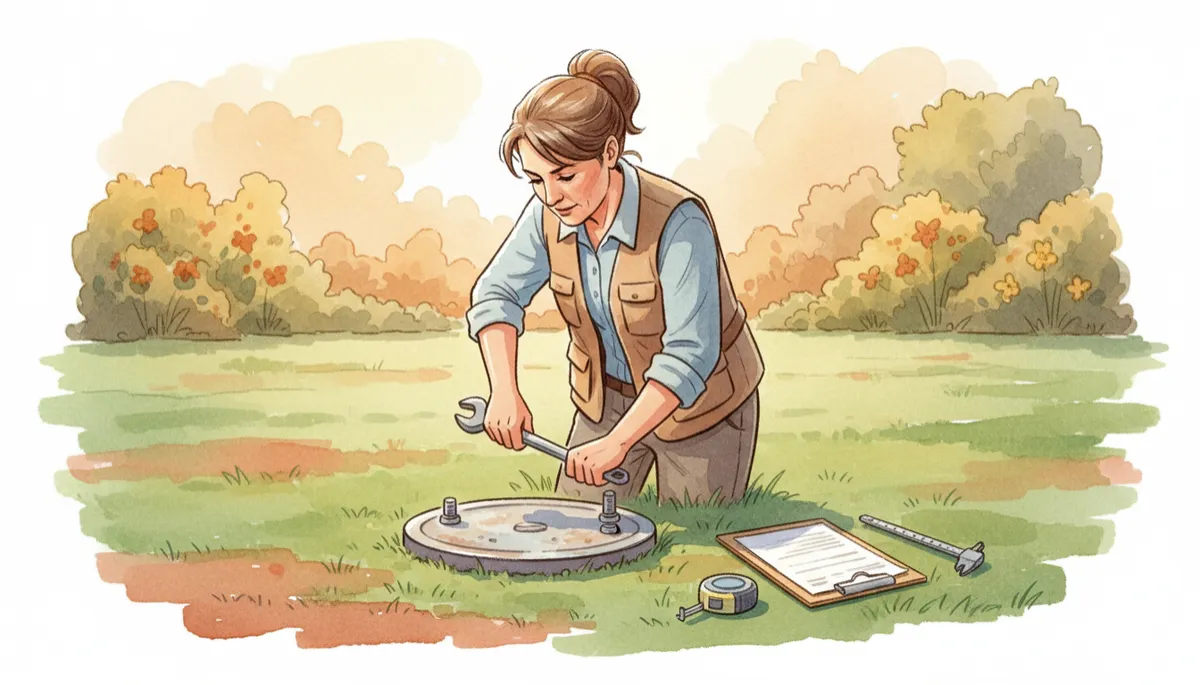
Professional closure and documentation can reassure buyers and smooth inspections.
4. How Will the Well Affect Disclosure and Buyer Confidence?
Most states require sellers to disclose known material facts about a property, including the presence of wells. Trying to hide an abandoned well can backfire if it is discovered during inspection or after closing. Instead, work with your agent to proactively disclose:
The location and history of the well, if known
Any testing, capping, or decommissioning that has been completed
Copies of permits, reports, or contractor invoices
Clear, confident disclosure can actually strengthen your position, showing buyers that the issue has been handled responsibly and professionally rather than leaving them to fear the unknown.
5. What Will It Cost to Address the Well & Who Pays?
The cost to properly abandon a well depends on its depth, construction, and accessibility, as well as local labor and permitting requirements. Sometimes sellers choose to handle the work before listing so they can market the home as “ready to go.” In other cases, the cost becomes a negotiating point with buyers, who may request a credit or ask that the work be completed before closing.
A local real estate professional who understands wells and rural or semi‑rural properties can help you decide which strategy makes the most sense in your price range and market conditions.
Get Expert Help Before You List
An abandoned well is just one piece of your overall selling strategy, but it is an important one. Taking time to ask the right questions, gather documentation, and understand your options can protect you from surprises and help your home show its best when buyers start scheduling tours.
Contact John Meier – Westplex Real Estate today to start planning your move:
📞 Call or text: (636) 242-5365
🌐 Visit: JohnMeierSells.com


