Selling a Home with a Lien: Key Considerations
Real Estate, Home Selling, Property Liens
What Happens to Your Property Sale if There Is a Lien on the House?
Discover how a lien can affect your home sale, what your options are, and the practical steps to clear the title so you can move forward with confidence.
First Things First: What Is a Lien on a House?
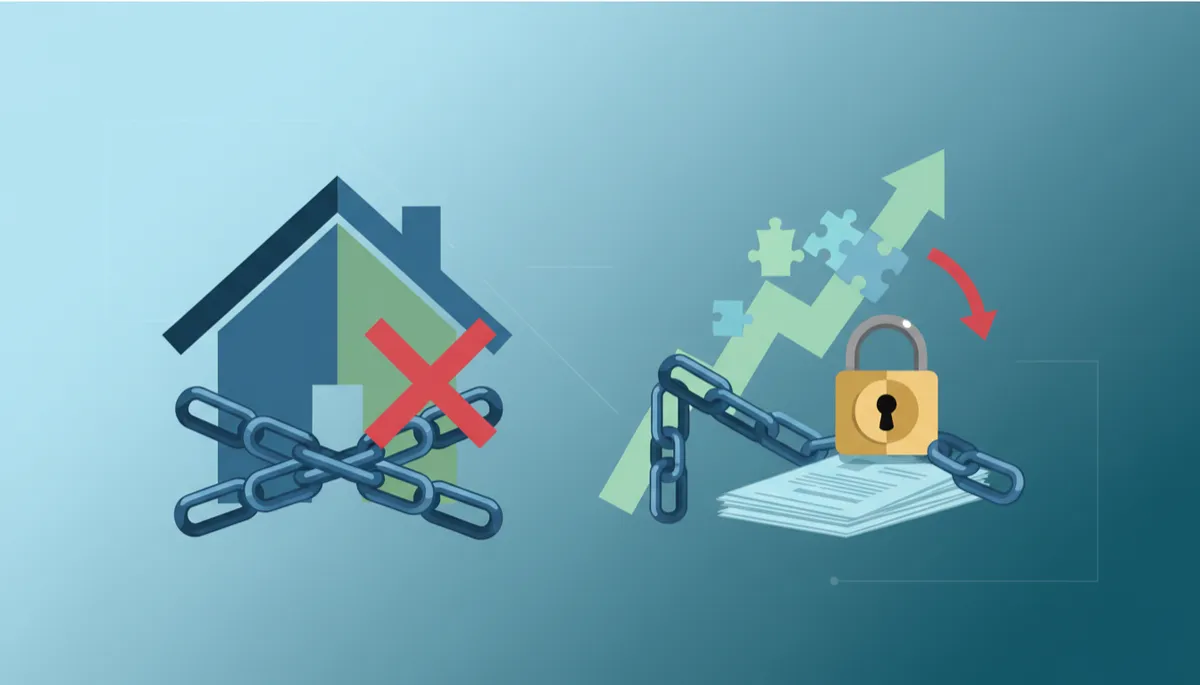
A lien is a legal claim against your property used as security for a debt or obligation. In simple terms, it means someone else has a financial interest in your home until a specific balance is paid. Common examples include:
Mortgage liens from your home loan lender
Tax liens from unpaid property or income taxes
Mechanic’s or contractor liens for unpaid home improvement work
Judgment liens from a lawsuit or court judgment
Liens are typically recorded in public records, which means they will show up during the buyer’s title search before closing.
Can You Sell a House With a Lien on It?
In most cases, yes, you can still sell a house with a lien but you cannot transfer clear ownership until the lien is resolved. Buyers (and their lenders) almost always require clear title, meaning no unpaid claims attached to the property at closing.
When a lien appears, it becomes a major point in negotiations and in the closing process. The sale usually cannot be finalized until everyone involved agrees on how and when the lien will be paid off.

At closing, lien payoff amounts are deducted from the seller’s proceeds before any cash is released.
What Actually Happens to Your Sale When a Lien Is Discovered?
1. The Lien Is Flagged During the Title Search
Once you accept an offer, the buyer’s title company or attorney orders a title search. If there is a lien, it will appear in this report. At this point:
The title company alerts both parties and lists the lien as a title defect.
The closing cannot proceed until the defect is cleared or an agreement is reached to handle it at closing.
2. Your Net Proceeds May Shrink or Disappear
Liens are usually paid out of the money you would receive from the sale. The closing agent collects the buyer’s funds and then distributes them in this general order:
Pay off your existing mortgage(s)
Pay any recorded liens (tax, judgment, contractor, etc.)
Deduct closing costs and fees
Release the remaining balance to you as the seller
If the lien amount is large, your net proceeds can be much smaller than you expected—or even zero. If the sale price does not cover what you owe plus the lien, you may have to bring money to closing or negotiate with the lienholder for a reduction.
3. The Buyer’s Lender May Refuse to Close
If the lien is not resolved, the buyer’s lender will typically decline to fund the loan, because the property would not have clear title. That means:
The closing is delayed while you work on clearing the lien, or
The buyer may cancel the contract if the issue cannot be resolved within the agreed time frame.
Your Main Options When There Is a Lien on the House
Option 1: Pay Off the Lien Before or at Closing
The most straightforward solution is to pay the lien in full. You can do this either before listing, once you go under contract, or right at closing using your sale proceeds. After payment, the lienholder files a release of lien, and the title company removes it from the title.
Option 2: Negotiate the Lien Amount
In some cases especially with older debts or large judgment liens you or your attorney may be able to negotiate a reduced payoff. The lienholder agrees to accept less than the full balance in exchange for being paid quickly from the sale. This agreement must be documented in writing and provided to the closing agent.
Option 3: Dispute or Remove an Incorrect Lien
Not every lien is accurate. If you believe a lien is filed in error, already paid, or invalid, you may work with a real estate attorney to challenge it. This could involve:
Providing proof of prior payment or settlement
Asking the lienholder to voluntarily release the lien
Filing a legal action to have the lien removed if the creditor will not cooperate
How to Protect Your Sale When You Suspect a Lien
If you think there might be a lien or you simply want to avoid last-minute surprises consider these proactive steps:
Order a preliminary title search before listing your home to see what appears in public records.
Talk openly with your agent about any unpaid taxes, contractor disputes, or legal judgments that could lead to a lien.
Consult a real estate attorney if the lien is complex or you are unsure of your rights and obligations.
💡 Pro Tip: Address liens early in the process. The sooner you know the exact payoff amounts and requirements, the easier it is to price your home correctly and avoid delays at closing.
The Bottom Line: A Lien Doesn’t Have to Kill Your Sale
Discovering a lien on your house can feel overwhelming, but it does not automatically mean you cannot sell. It does mean you will need to resolve the debt, either from your own funds, your sale proceeds, or through negotiation, before the buyer can receive clear title.
By understanding how liens work, working closely with your real estate agent, title company, and an attorney when needed, you can navigate the process, protect your sale, and move on to your next home with peace of mind.


