Selling a Generational Family Farm: Key Considerations
Estate Planning, Family Farm, Land Decisions
What to Consider Before Selling a Family Farm That Has Been Owned for Generations
Deciding whether to sell a family farm that has been in the family for generations is far more than a financial choice. It’s an emotional, practical, and legal decision that can shape your family’s story for decades to come.
Start With the Emotional Weight of the Decision
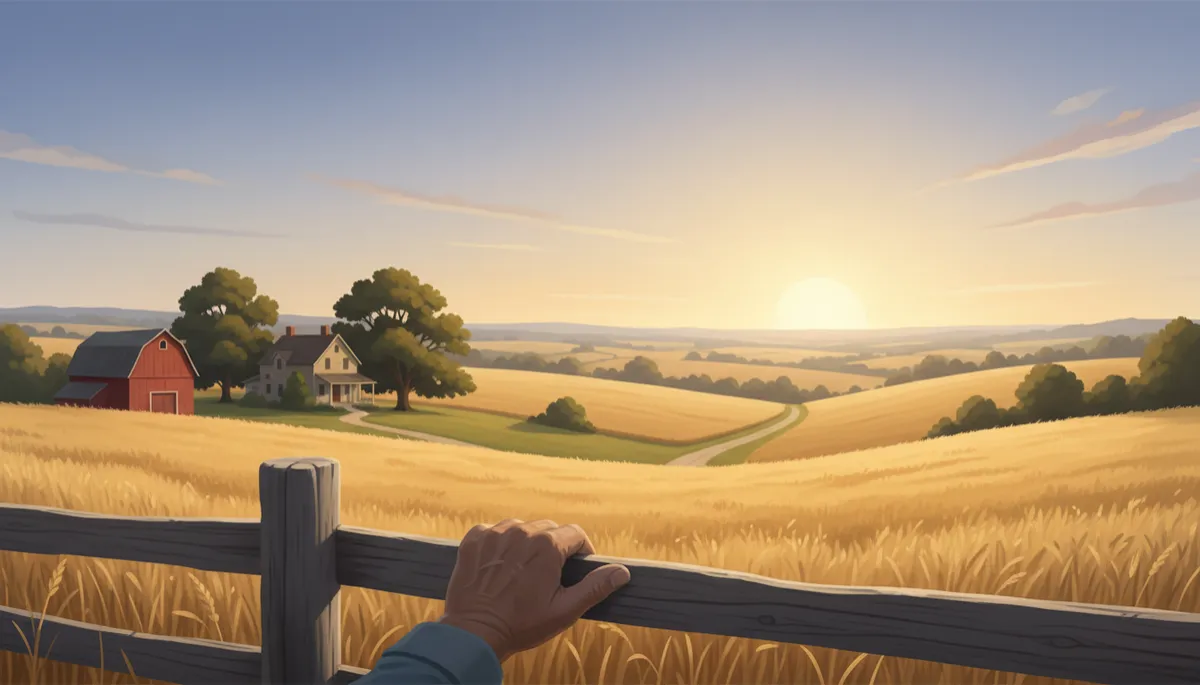
A family farm is rarely just land and buildings. It holds memories of childhood summers, family gatherings, and the hard work of parents and grandparents. Before you talk numbers, acknowledge the emotional layer. Some relatives may feel a deep sense of loss or even guilt at the idea of selling, while others may be more practical and ready to move on. Giving everyone space to express what the farm means to them can prevent resentment later and help you reach a decision that feels respectful of your shared history.
💡 Pro Tip: Consider holding a family meeting on the farm itself to talk openly about memories, concerns, and hopes for the future before discussing offers or prices.
Clarify Ownership, Heirs, and Legal Details
Before any sale, make sure you clearly understand who legally owns the farm and how. Is the property in one person’s name, jointly owned by siblings, or held in a trust or business entity? Are there wills, life estates, or old agreements that might affect what you can do? A conversation with an attorney who focuses on real estate or agricultural estates can help you uncover potential issues, from boundary questions to rights-of-way, water rights, or leases with neighboring farmers. Sorting out these details early avoids delays and surprises once a buyer is interested.
Understand the Financial and Tax Implications
Selling a long-held property can trigger significant tax consequences. Depending on how long the farm has been owned, how it was inherited, and how it has been used, there may be capital gains taxes, estate tax considerations, or opportunities for a stepped-up cost basis. You may also need to think about existing loans, liens, or equipment financing tied to the farm. Consulting with a tax professional or financial planner who understands rural property can help you estimate what you will actually receive after taxes and closing costs, and how to use those funds wisely for retirement, debt payoff, or new investments.
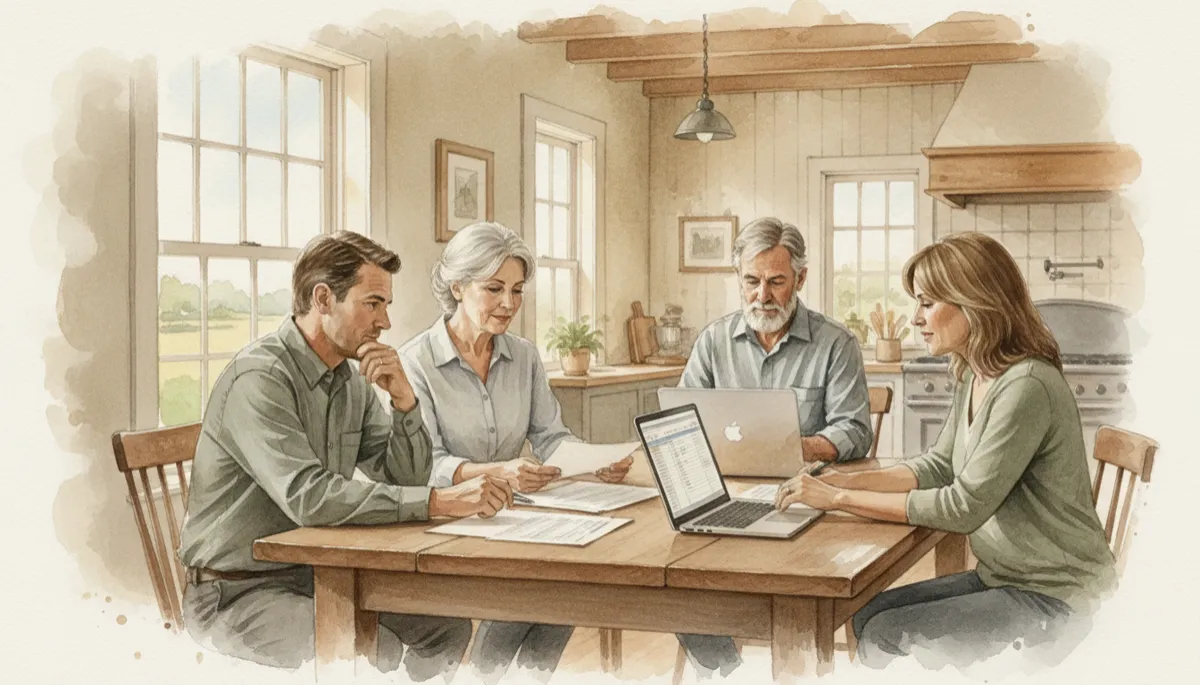
Early conversations with advisors clarify taxes, timelines, and realistic net proceeds.
Explore Alternatives to an All-or-Nothing Sale
Selling does not always have to mean giving up the entire farm. In some cases, families choose to sell a portion of the land while keeping the homestead, barn, or a smaller acreage as a place to return to. Others may lease the land to a neighboring farmer, enter into a conservation agreement, or create a long-term rental arrangement for the house or outbuildings. Exploring these options can provide income while preserving at least part of the property’s legacy and keeping a physical connection for future generations.
Consider the Future of the Land and Community Impact
Many families care deeply about what will happen to their land after it is sold. Will it remain in agriculture, be developed into housing, or sit idle? While you cannot control everything a future owner does, you may have choices. You might seek a buyer who intends to keep farming, partner with a local land trust, or place certain restrictions on development through conservation easements. Thinking about how the sale will affect neighbors, local food systems, and the rural character of the area can bring peace of mind and help you choose a buyer whose plans align with your values.
📌 Key Takeaway: The “right” buyer is not always the one with the highest offer, but the one whose plans best fit your family’s goals for the land.
Communicate Clearly and Plan for Life After the Sale
Once you decide to sell, clear communication among family members is essential. Agree on how decisions will be made, how proceeds will be divided, and how to handle sentimental items such as heirloom tools, furniture, or family photographs. It can also help to talk about what comes next: where older generations will live, how younger relatives might use their share of the money, and how you will keep the family’s stories alive without the physical farm. Some families create photo books, hold a final gathering on the property, or record oral histories to preserve the legacy in a new way.
Bringing It All Together
Selling a family farm that has been owned for generations is one of the most personal financial decisions you can make. By honoring the emotional ties, understanding the legal and tax details, exploring alternatives, and thinking carefully about the land’s future, you give yourself the best chance of reaching a decision that feels both practical and respectful. Taking the time to plan, ask questions, and involve the right professionals can turn a difficult crossroads into a thoughtful transition that supports your family’s next chapter, even as you say goodbye to a cherished piece of its past.


