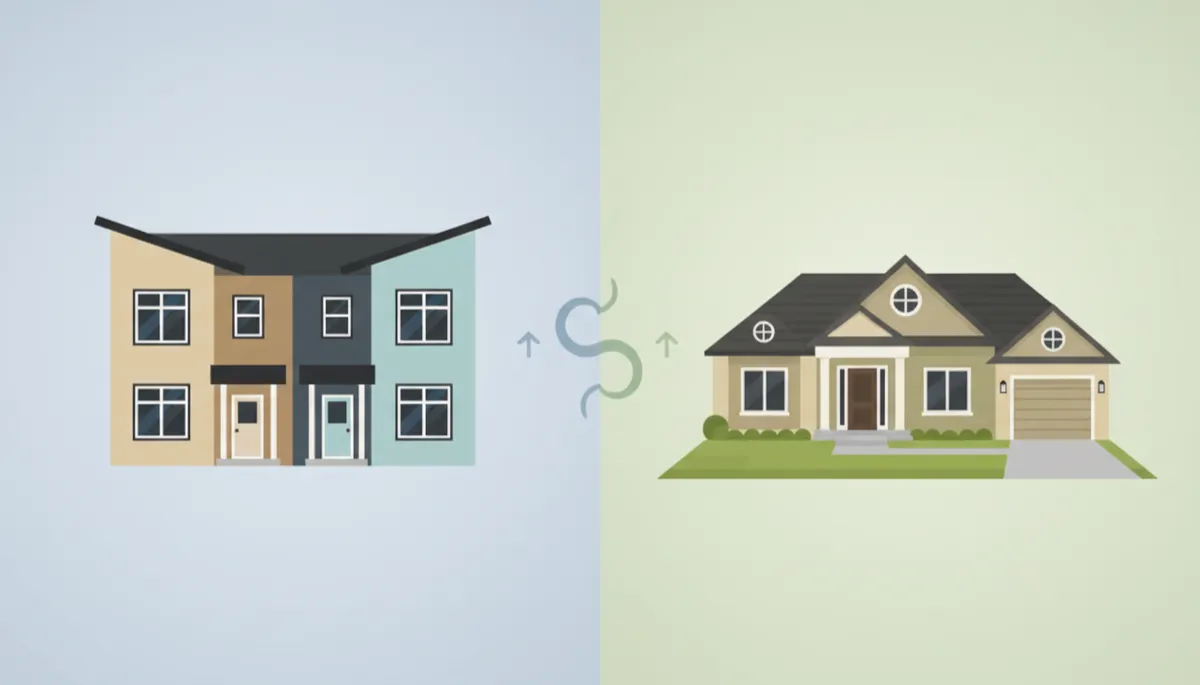
Selling Duplex vs Single-Family Home: Key Differences
Real Estate, Home Selling
What Makes Selling a Duplex Different From Selling a Single-Family Home?
Selling a duplex may look similar to selling a single-family home on the surface, but the strategy, marketing, and buyer expectations are often very different. Understanding those differences can help you price correctly, avoid surprises, and walk away with the strongest possible offer.
1. You’re Often Selling an Investment, Not Just a Home
With a single-family home, buyers usually focus on how the property feels: the kitchen layout, the backyard, nearby schools, and lifestyle. A duplex certainly needs to show well, but many buyers will be looking at it through an investor’s lens. They want to know:
Current and potential rental income for each unit
Typical vacancy rates and demand in the neighborhood
Operating expenses, utilities, and maintenance costs for the building
Instead of just staging and photography, you’ll also want a simple income-and-expense snapshot ready to go. This might include a rent roll, copies of leases, and a breakdown of what you pay versus what tenants pay. For a single-family home, that level of financial detail is rarely necessary; for a duplex, it can make or break a deal.
2. Different Buyer Pools and Motivations
Single-family homes primarily attract owner-occupants people who plan to live there long term. Duplexes, on the other hand, tend to draw three main types of buyers:
Investors seeking rental income and long-term appreciation
House hackers who plan to live in one unit and rent the other to offset their mortgage
Multi-generational families wanting separate but nearby living spaces
Each group has slightly different priorities. Investors might overlook dated finishes if the numbers are strong. House hackers may care more about the comfort and size of the unit they’ll occupy. Families may focus on privacy between units and parking. When you sell a single-family home, your marketing usually tells one story; with a duplex, you may need to speak to several buyer motivations at once.
Clear separation between units appeals to both investors and multi-generational buyers.
3. Pricing Relies on Both Comparable Sales and Income
Single-family homes are usually priced based on recent sales of similar properties bedrooms, bathrooms, square footage, and condition. Duplex pricing is more nuanced. Yes, you still look at comparable sales, but serious buyers will also evaluate the property based on its income potential.
Many investors use metrics such as:
Cap rate (net operating income divided by purchase price)
Cash-on-cash return based on their expected down payment
Future rent potential if units are currently under market value
That means you and your agent may need to position the duplex with both a residential and an investment mindset. A well-documented rent history, realistic pro forma, and even notes on local rental demand can justify a stronger list price than comps alone might suggest.
4. Tenant, Lease, and Access Considerations
When you sell a single-family home, it’s often vacant or occupied only by you. Showings are relatively straightforward. With a duplex, you may be coordinating with one or two sets of tenants each with their own schedules, preferences, and legal protections.
You’ll need to provide proper notice for showings and inspections, as required by local law and the lease
Buyers will want to review existing lease terms, security deposits, and rent payment history
You may need to clarify whether the sale is delivered tenant-occupied or vacant
Good communication with tenants is crucial. Their cooperation can influence how clean, accessible, and welcoming the property feels during showings factors that directly impact offers. This layer of complexity simply doesn’t exist when you sell a typical single-family home without tenants.
5. Financing and Appraisal Can Play Out Differently
Duplexes often qualify as residential property, but lenders may treat them differently than single-family homes—especially if the buyer does not plan to live in one unit. Loan programs, minimum down payments, and interest rates can all vary depending on whether the duplex is considered an owner-occupied or investment purchase.
Appraisers will also look at both comparable duplex sales and the property’s income stream. If the rents are far below market, that can affect how the value is viewed. With a single-family home, the appraiser is mostly comparing physical features and location, not rental performance.
6. Marketing Strategy: Two Stories, One Property
When you list a single-family home, the marketing typically focuses on lifestyle: light-filled living rooms, backyard barbecues, and nearby parks. A duplex listing needs to highlight both livability and profitability.
High-quality photos and floor plans to show layout and privacy between units
A concise summary of rental income, expenses, and upside potential
Clear explanation of parking, storage, and any shared spaces
The goal is to help buyers quickly see how the duplex fits their plans whether that’s lowering their housing costs, supporting family, or building a rental portfolio. That dual message is far more important for a duplex than for a traditional single-family home.
The Bottom Line: Plan for a More “Business-Minded” Sale
At its core, selling a duplex means balancing two roles: you’re selling a place people can call home, and you’re selling a small business that generates income. Compared with a single-family home, expect more questions about leases, numbers, and logistics but also the potential for a wider range of buyers and creative offers.
If you prepare your financials, coordinate thoughtfully with tenants, and market both the lifestyle and the income potential, you’ll be well-positioned to highlight what makes your duplex valuable and different in today’s market.


