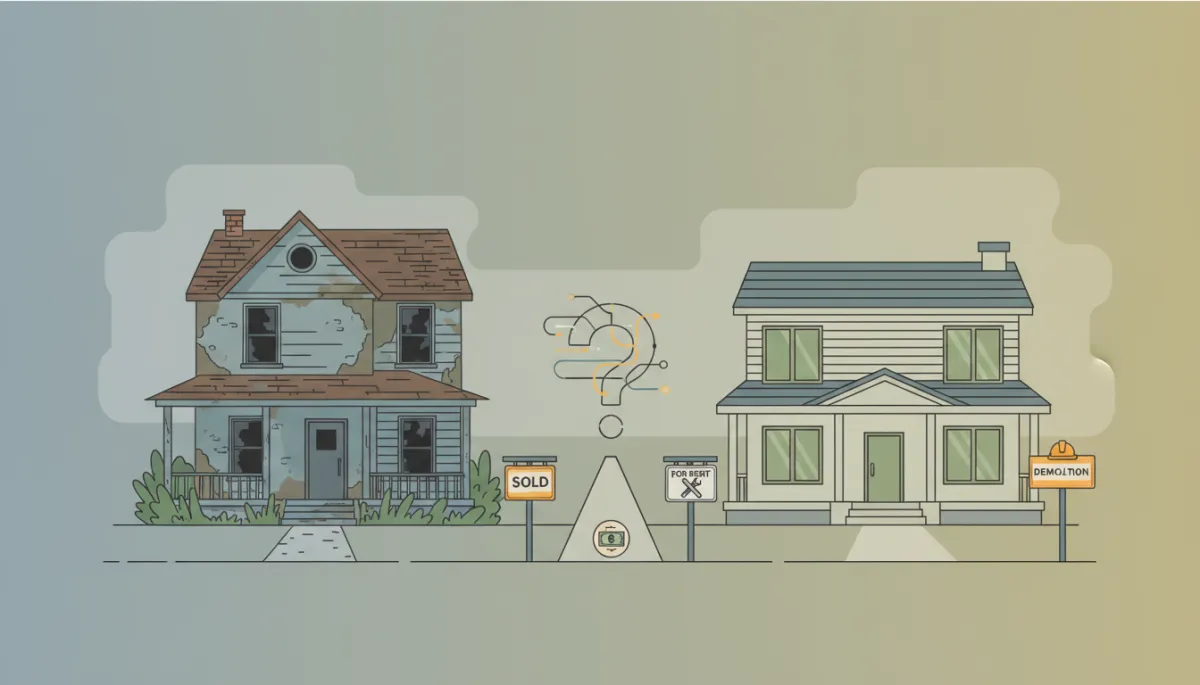
Selling Difficult Properties: Inherited, Vacant, Needs Work
Real Estate, Difficult Properties, Home Selling
Inherited It, Vacant It, or Needs Too Much Work? Options for Selling a Difficult Property
Some homes are easy to list and sell. Others come with tangled emotions, long to-do lists, or years of neglect. Whether you’ve inherited a house, own a vacant property, or have a place that simply needs too much work, you still have options. This guide walks through practical paths to sell a difficult property without losing your sanity or all your profit.
Inherited It: When a Property Comes with Memories and Headaches
Inheriting a home can feel like a mixed blessing. On one hand, it’s an asset; on the other, it may come with probate, paperwork, and family dynamics. Before you rush to sell, take a moment to understand what you’re dealing with.
Confirm legal ownership. Make sure the estate is through probate or that you have the authority to sell. An attorney or title company can clarify this quickly.
Get a realistic value. An appraisal or comparative market analysis from a local agent helps you decide whether to sell as-is, update, or even hold as a rental.
Address belongings and emotions. Sorting a loved one’s possessions can be the hardest step. Estate sale companies, junk removal services, or donation centers can speed up the process when you’re ready.
💡 Pro Tip: If multiple heirs are involved, agree in writing on a selling strategy price range, timing, and who will sign documents to avoid disputes later.
Vacant It: The Hidden Costs of an Empty House
A vacant property might seem easier no one living there, no daily disruption. In reality, empty homes can become expensive liabilities. They still rack up taxes, insurance, utilities, and yard maintenance. They’re also more vulnerable to vandalism, leaks, and unnoticed damage.
Secure and maintain it. Change locks, keep utilities on at a basic level, and maintain the yard so it doesn’t scream “nobody lives here.”
Check your insurance. Some policies change coverage once a property is vacant for more than 30–60 days. Verify you’re still protected.
Stage or virtually stage. Even a few pieces of furniture or quality virtual staging photos can make a vacant home feel more inviting to buyers.
Needs Too Much Work: When Repairs Feel Overwhelming
Maybe the roof is leaking, the kitchen is stuck in the 1970s, or there’s a long list of code violations. A property that needs major work can scare off traditional buyers and feel impossible to tackle. The key is to separate must-fix issues from nice-to-have upgrades and choose a selling strategy that fits your budget and timeline.
Prioritize safety and financing items. Electrical hazards, structural problems, or missing systems may prevent buyers from getting a mortgage. Fixing just these can significantly widen your buyer pool.
Skip full renovations. Large remodels rarely return 100% of their cost. Often, light cosmetic updates paint, cleaning, basic landscaping deliver better value than a complete overhaul.
Consider selling directly to an investor. If repairs are too costly or stressful, a local investor or “we buy houses” company may purchase the property as-is, for cash, and close quickly.

Strategic, minimal updates can attract buyers without the cost of a full remodel.
Options for Selling a Difficult Property
Whether your property is inherited, vacant, or in rough shape, you have several viable paths to the closing table. The right choice depends on how quickly you need to sell, how much cash you can invest upfront, and how hands-on you want to be.
List with a real estate agent. Ideal if you can afford some prep work and have a bit of time. An experienced agent who specializes in estates, fixers, or investment properties can market your home to the right buyers and help you price it realistically.
Sell as-is on the open market. You disclose known issues and make it clear that you won’t complete repairs. This can appeal to investors and handy buyers while still giving you exposure to the full market.
Take a cash offer from an investor or home-buying company. You’ll typically net less than a fully renovated sale, but you gain speed and simplicity often closing in days with no showings, repairs, or appraisals.
Explore creative options. In some cases, renting the property temporarily, offering seller financing, or partnering with an investor for repairs and resale can unlock additional value.
📌 Key Takeaway: There is no one “right” way to sell a difficult property. The best option is the one that balances your time, stress level, and financial goals.
Moving Forward with Confidence
Inherited it, vacant it, or needs too much work no matter which category your property falls into, you’re not stuck. By understanding the condition of the home, being honest about your resources, and choosing the selling route that fits your situation, you can turn a “problem property” into a completed sale and a fresh start.


