Selling Your Home with Pets: Tips and Strategies
Real Estate, Home Selling, Pets
How Do You Sell a House With Pets?
Selling a home is stressful enough, and adding pets to the mix can feel overwhelming. With a bit of planning, though, you can protect your furry friends, keep your home appealing to buyers, and move smoothly to your next chapter.
Understand How Pets Affect Buyers
You may love your pets like family, but not every buyer feels the same way. Some have allergies, others worry about odors or damage, and a few are simply not “animal people.” Your goal is to make your home feel fresh, clean, and neutral so that buyers focus on the property, not your pets. That means minimizing visible signs of animals and eliminating any smells, stains, or wear-and-tear they may have caused.
Step 1: Repair and Refresh Pet Damage
Before listing, walk through your home with a critical eye, as if you were a buyer. Look for scratched doors, chewed trim, torn screens, stained carpets, or worn patches on hardwood floors. These are red flags that suggest poor maintenance. Fix what you can:
Touch up or repaint walls and trim that show claw marks or grime at pet height.
Replace or professionally clean carpets with visible stains or lingering odors.
Repair screen doors, window screens, and baseboards that show chewing or scratching.
These relatively small investments can prevent buyers from mentally subtracting thousands from your asking price or dismissing the home altogether.
Step 2: Deep Clean and Deodorize Thoroughly
Odor is one of the biggest challenges when selling a house with pets. You may be “nose blind” to smells that jump out immediately to a stranger. Ask a trusted friend or your real estate agent to be brutally honest about how your home smells the moment they walk in.
Schedule a professional deep clean, including carpets, area rugs, upholstery, and drapes.
Wash pet bedding, blankets, and slipcovers regularly while your home is on the market.
Open windows when possible to air out the home and use a neutral, light scent rather than heavy air fresheners.
💡 Pro Tip: Enzyme-based cleaners work better than standard sprays for lingering pet accidents, especially on soft surfaces.
Step 3: Minimize Pet Clutter and Visual Distractions
Just as you would declutter toys and personal items, you should streamline pet belongings. Too many bowls, toys, and beds can make a home feel smaller and less tidy. Keep only the essentials out and store the rest neatly in a closet or basket between showings.
Limit visible pet items to one attractive bed and a single set of food and water bowls.
Hide litter boxes in discreet but accessible locations and scoop them multiple times a day.
Store crates, carriers, scratching posts, and large toys in the garage or a storage unit when not in use.
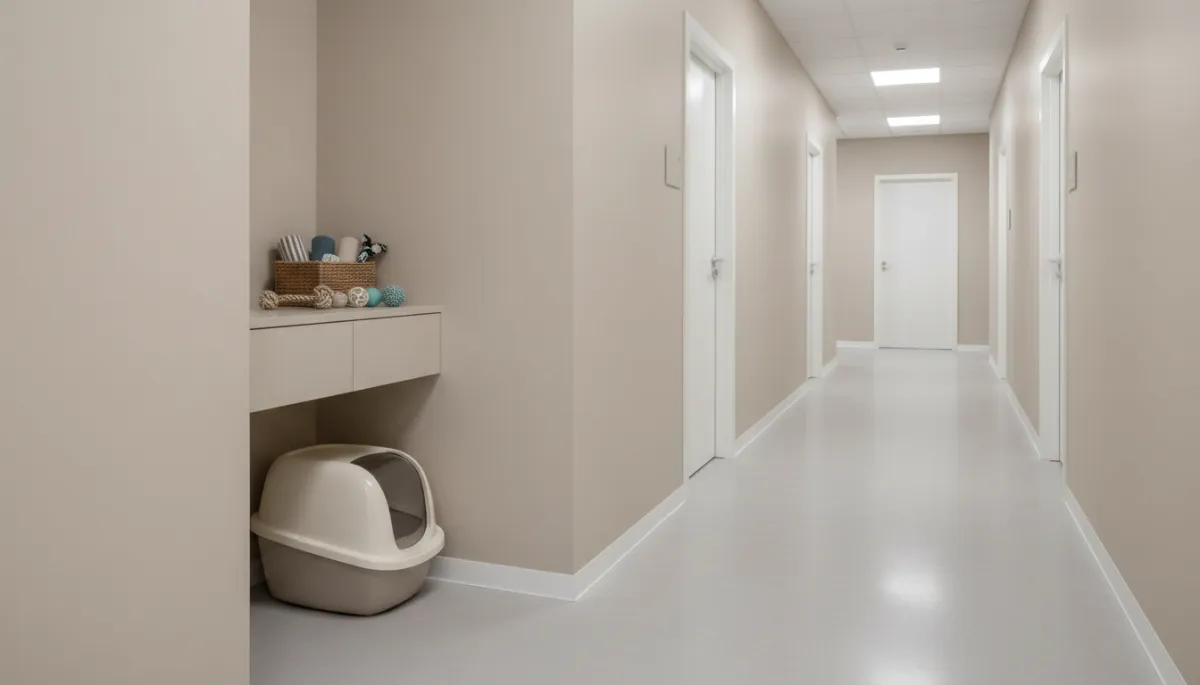
Thoughtful organization of pet items keeps rooms feeling spacious and move-in ready.
Step 4: Plan Where Pets Will Go During Showings
The safest and most buyer-friendly option is to remove pets from the home during showings and open houses. Even the friendliest animals can become stressed, escape through an open door, or cause a buyer to feel uncomfortable. Consider:
Taking dogs for a walk, to a park, or on a car ride during scheduled showings.
Arranging temporary day care with a trusted friend, neighbor, or pet sitter.
Creating a calm, closed-off room for shy cats or small pets if removing them isn’t possible, and clearly labeling the door for agents.
⚠️ Warning: Never leave a protective dog loose during showings. It can be a liability and scare buyers away instantly.
Step 5: Be Honest but Strategic in Your Listing
You don’t need to highlight your pets in the listing description, but you should be honest on disclosure forms about any significant pet-related damage or repairs. Focus your marketing on the home’s best features light, layout, storage, yard rather than your animals. If your property is especially pet-friendly, such as having a fully fenced yard or durable flooring, your agent may choose to mention those features in a way that appeals to both pet owners and non-pet owners alike.
Step 6: Work Closely With Your Real Estate Agent
An experienced agent has likely sold many homes with pets and can offer tailored advice. Ask them to point out anything that still hints too strongly at animals and to help you create a showing schedule that works around your pets’ routines. Clear communication is key: make sure your agent knows how many pets you have, where they will be during showings, and any doors or gates that must remain closed.
Final Thoughts: Yes, You Can Sell a House With Pets
Selling a house with pets is absolutely possible and common. The key is to think like a buyer while still caring for your animals’ comfort and safety. Repair damage, deep clean, minimize pet clutter, remove pets during showings, and lean on your agent’s expertise. When you do, you’ll present a home that feels well cared for and move-in ready, whether the next owner has pets or not.


