Selling Your Home with a Mortgage: What to Know
Real Estate, Home Selling
Can I Sell My House With a Mortgage Still on It?
Wondering if you can sell your home even though you still owe the bank? You are not alone. Many homeowners successfully sell properties every day with mortgages attached if you understand how the process works and plan ahead.
The Short Answer: Yes, You Can Sell With a Mortgage
The simple answer is yes, you can absolutely sell your house even if you still have a mortgage. In fact, it is the norm. Most homeowners do not wait until their loan is completely paid off before moving. Instead, the mortgage is paid off at closing using the money from the buyer’s purchase.
When you sell, the buyer’s funds do not go straight into your pocket first. They are routed through the closing agent (often a title company or attorney), who uses them to:
Pay off your existing mortgage balance and any accrued interest
Cover closing costs, taxes, and fees you are responsible for
Send any remaining amount your equity to you as profit from the sale
How the Mortgage Payoff Works at Closing
Before you list your home, it helps to know roughly how much you still owe. Your lender can provide a payoff statement, which shows the exact amount needed to clear the loan by a specific date, including interest and any fees due at payoff time.
At closing, the settlement agent uses the buyer’s funds and, if needed, your own money to pay the lender in full. Once that happens, the lender releases its lien on the property, which legally allows the buyer to take clear ownership. You do not have to negotiate directly with your bank at the closing table this is all handled behind the scenes as part of the standard process.
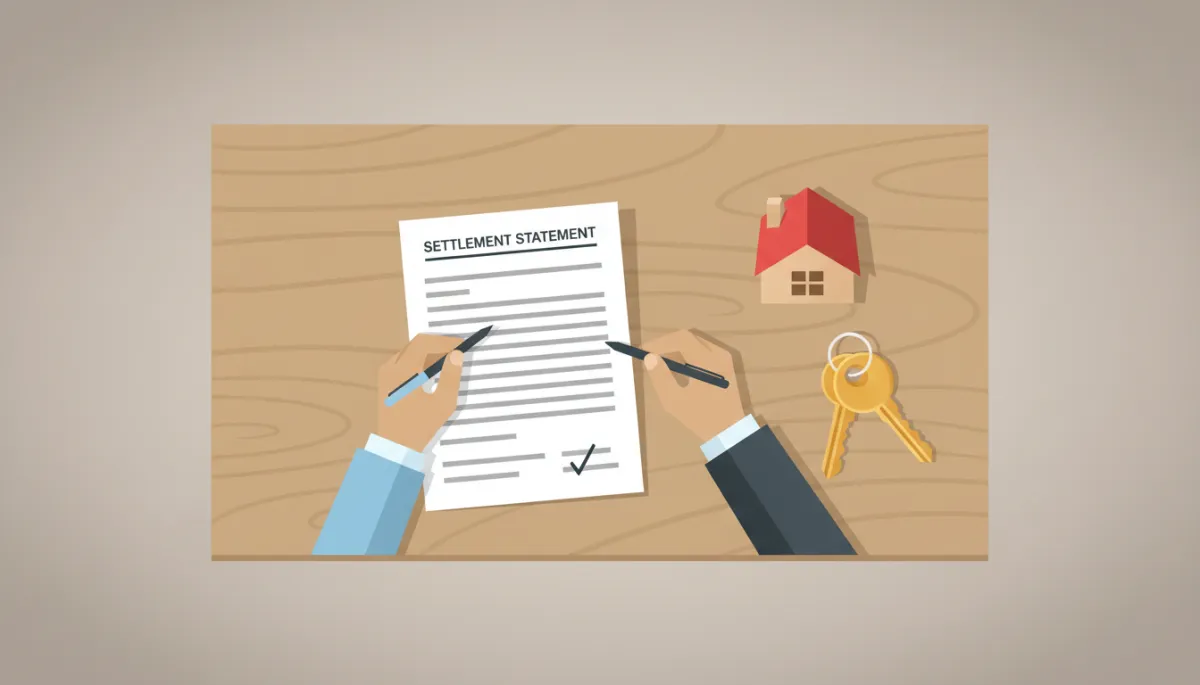
At closing, the buyer’s funds pay off your mortgage before you receive any proceeds.
What If Your Home Is Worth More Than You Owe?
If your home’s market value is higher than your remaining mortgage balance, you have equity. After the mortgage and closing costs are paid, that equity becomes your net proceeds from the sale. You can use it for a down payment on your next home, to pay off other debts, or to boost your savings.
For example, if your home sells for $350,000 and you owe $250,000 on your mortgage, you start with $100,000 in gross equity. Subtract closing costs, agent commissions, and any agreed repairs, and the remainder is yours.
What If You Owe More Than Your Home Is Worth?
Selling with a mortgage is still possible even if you are underwater (you owe more than the home’s value), but it is more complicated. In that situation, you typically have two main options:
Bring cash to closing to cover the difference between the sale price and your payoff amount, or
Work with your lender on a short sale, where the bank agrees to accept less than the full amount owed
Short sales require your lender’s approval and can impact your credit, so they are usually a last resort. If you are in this position, speaking with a real estate professional and, if needed, a financial advisor can help you weigh your options.
Practical Steps Before You List Your Home
Request a payoff quote from your lender so you know your true payoff amount, not just your current balance.
Estimate your home’s value by talking with a local agent or reviewing recent comparable sales in your area.
Calculate your likely equity by subtracting your payoff amount and estimated closing costs from your expected sale price.
Discuss timing so your closing date lines up with your payoff quote and your move-out plans.
📌 Key Takeaway: You do not need to wait until your mortgage is paid off to move. As long as your sale price and finances cover the payoff and closing costs, selling with a mortgage is a standard, straightforward process.
Final Thoughts
Selling a home with a mortgage still attached might sound intimidating, but it is how most real estate transactions are handled. The key is understanding that your loan is paid off from the sale proceeds at closing, not before. By getting a clear picture of your payoff amount, your home’s value, and your expected equity, you can make confident decisions about your next move without waiting years to become mortgage-free first.


