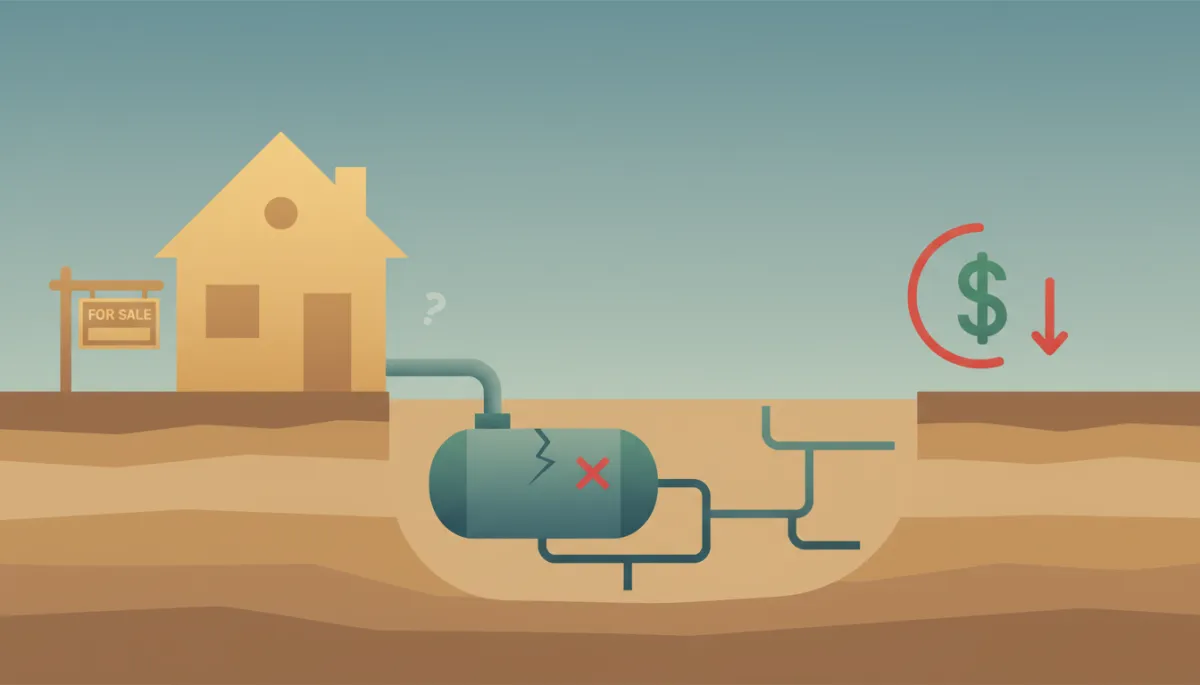
Selling Your Home with Septic Issues: A Guide
Real Estate, Home Selling, Septic Systems
Can I Sell My House With a Septic Problem?
Discover what really happens when you try to sell a home with a failing or questionable septic system, and how to protect both your sale and your wallet.
The Short Answer: Yes, You Can Sell But There Are Conditions
You can sell a house with a septic problem, but you usually cannot pretend the problem doesn’t exist. In most areas, sellers are legally required to disclose known defects, including issues with the septic system. Even where disclosure laws are more relaxed, hiding a known failure can expose you to lawsuits and costly disputes after closing.
A “septic problem” can range from a minor repair to a complete system failure. How serious the issue is will shape your options, the price you can expect, and the type of buyer who is likely to move forward with the purchase.
📌 Key Takeaway: Selling is possible, but transparency and realistic pricing are essential when a septic system is compromised.
Step One: Understand the Actual Septic Issue
Before you list your home, get clear on what you are dealing with. Buyers, inspectors, and lenders will all want specifics, not vague guesses. Common signs of septic trouble include:
Slow drains or frequent backups in toilets and sinks
Sewage odors indoors or around the yard, especially near the drain field
Soggy or unusually green patches of grass above the septic area
A licensed septic professional can inspect the system, identify the cause, and estimate repair or replacement costs. Having this written report in hand gives you credibility with buyers and helps you decide how to price and position your home on the market.
💡 Pro Tip: Schedule the septic inspection before listing so you’re not negotiating in the dark once offers start coming in.
Your Main Options When Selling With a Septic Problem
1. Fix the Septic System Before You Sell
If you can afford it, repairing or replacing the septic system before listing usually makes the home easier to sell and can support a higher price. Many buyers and their lenders are uncomfortable with a known system failure, and some loan programs require a functioning septic system for approval. A new or recently repaired system can even be a selling point, especially in rural areas where buyers expect to rely on septic.
2. Sell “As-Is” and Adjust the Price
If paying for the work upfront isn’t realistic, you can sell the home “as-is,” clearly disclosing the septic problem and pricing accordingly. This approach appeals to:
Cash buyers and investors who are comfortable taking on repairs
Buyers who plan major renovations and can roll septic work into their project
In this case, you’ll typically discount the home by at least the estimated repair cost, sometimes more, to compensate buyers for the hassle and risk.
3. Offer a Credit or Escrow at Closing
Another option is to negotiate a seller credit or set aside funds in escrow at closing to cover the septic work. This allows the buyer to manage the repair after they take ownership, while giving them financial protection. Some lenders will allow this arrangement if there is a clear plan and verified estimates from a septic contractor.

Clear inspection reports and repair estimates make septic negotiations far smoother.
Legal and Financing Considerations You Can’t Ignore
Many states and municipalities have specific rules about septic systems when a property changes hands. Some require a septic inspection before closing, others demand upgrades if the system is too old or undersized, and some prohibit the sale of a home with a known failing system unless a plan for correction is in place. Your real estate agent or local health department can explain the requirements where you live.
Financing also matters. Government-backed loans, such as FHA, VA, or USDA, often require that the septic system be in working order and meet local health standards. If your buyer is using one of these loans, you may have less flexibility to sell with an unresolved septic failure and may need to complete repairs prior to closing.
⚠️ Warning: Failing to disclose a known septic problem can lead to claims of fraud, forced repairs, or even the unwinding of the sale.
How to Talk About Septic Problems With Buyers
Buyers are more likely to stay at the table if you present the issue clearly and calmly. Provide:
A copy of the septic inspection report and any past maintenance records
Written estimates from licensed contractors for repair or replacement
A clear explanation of how you’ve reflected the issue in your asking price, credit, or repair plan
When buyers see that you’ve done your homework and are negotiating in good faith, they’re more likely to work with you rather than walk away.
Final Thoughts: Turning a Septic Problem Into a Managed Risk
So, can you sell your house with a septic problem? Yes but the key is to treat it as a known, managed risk rather than a hidden surprise. Get a professional inspection, understand your local rules, decide whether to repair or discount, and be upfront with buyers about what you know. With the right preparation and pricing strategy, a septic issue doesn’t have to derail your sale; it simply becomes one more factor to negotiate on your way to closing.


