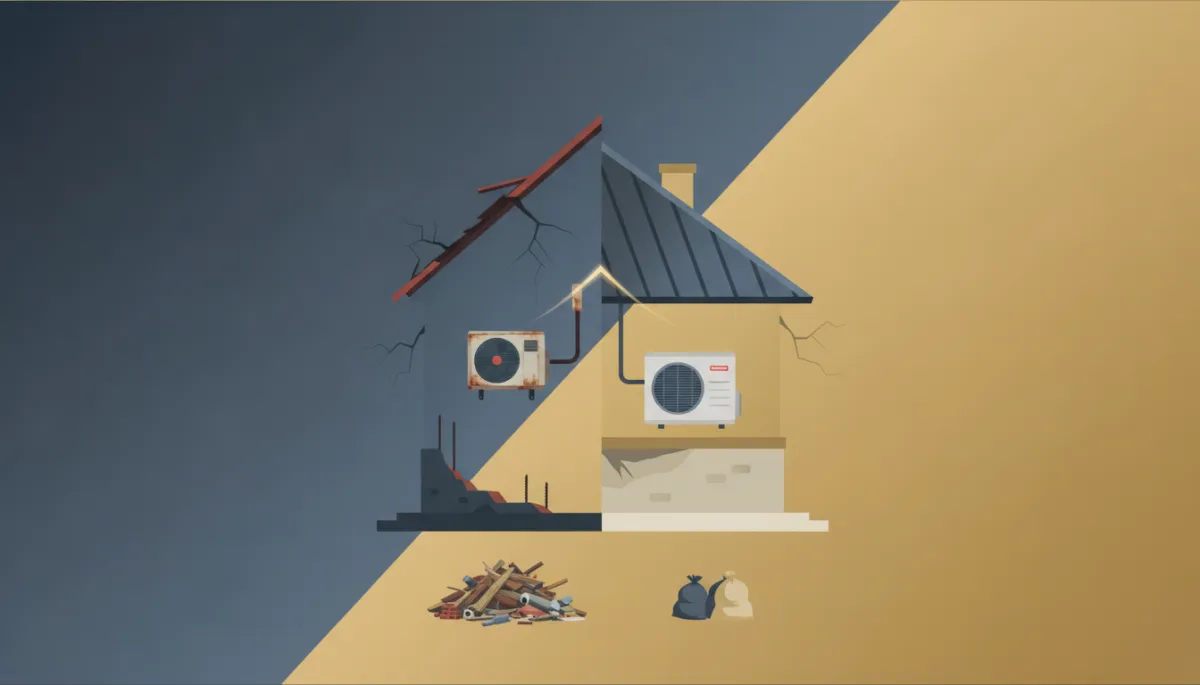
Sell Your Home with Major Repairs Successfully
Real Estate, Home Selling Tips
Selling a House With a Bad Roof, Old HVAC, or Other Major Repairs
Major home issues like a failing roof, aging HVAC, or big-ticket repairs don’t have to stop your sale. With the right strategy and expectations, you can still attract buyers and walk away with a successful closing.
Start With a Clear Picture of Your Home’s Condition
Before you decide how to sell, you need to understand what you’re actually dealing with. A pre-listing inspection or targeted evaluations from a roofer, HVAC technician, or contractor can give you written estimates and help you prioritize. This information is valuable for pricing, negotiations, and disclosures, and it prevents unwelcome surprises halfway through a sale.
💡 Pro Tip: Get estimates in writing from licensed professionals. Buyers and their lenders take written documentation far more seriously than vague verbal explanations.
Selling a House With a Bad Roof
A deteriorating or leaking roof is one of the most intimidating issues for buyers. It can affect insurance coverage, financing approval, and safety. Still, many homes sell every day with roofs at or beyond their typical lifespan you simply need the right approach.
Option 1: Replace the roof before listing. This typically attracts more traditional buyers, may boost your sale price, and can help the home appraise higher. However, it requires upfront cash and time.
Option 2: Offer a credit or price reduction. Instead of doing the work yourself, you adjust the asking price or provide a closing credit so the buyer can replace the roof after closing, to their own preferences.
Option 3: Sell “as-is” to an investor or cash buyer. Investors expect major repairs and factor them into their offers. You’ll likely net less, but you avoid the headaches of construction and strict lender repair requirements.
📌 Key Takeaway: Lenders and insurers often care more about active leaks and structural damage than roof age alone. Documentation from a roofer can sometimes keep a borderline roof from killing a deal.
Selling a House With an Old HVAC System
An HVAC system that’s 15–20 years old may still run, but buyers see it as a looming expense. Unlike a roof, however, an older HVAC doesn’t always trigger financing issues if it’s still operational and safe. This gives you more flexibility in how you handle it.
Document current performance. A recent service report showing the system is functioning, safe, and properly maintained can ease buyer concerns, even if the unit is near the end of its typical lifespan.
Adjust your pricing and marketing. If your home is otherwise updated, price it slightly below similar homes with newer systems, and be transparent that the HVAC is older and priced accordingly.
Consider a home warranty. Offering a one-year home warranty that covers HVAC can give buyers short-term peace of mind and is often cheaper than a full replacement.
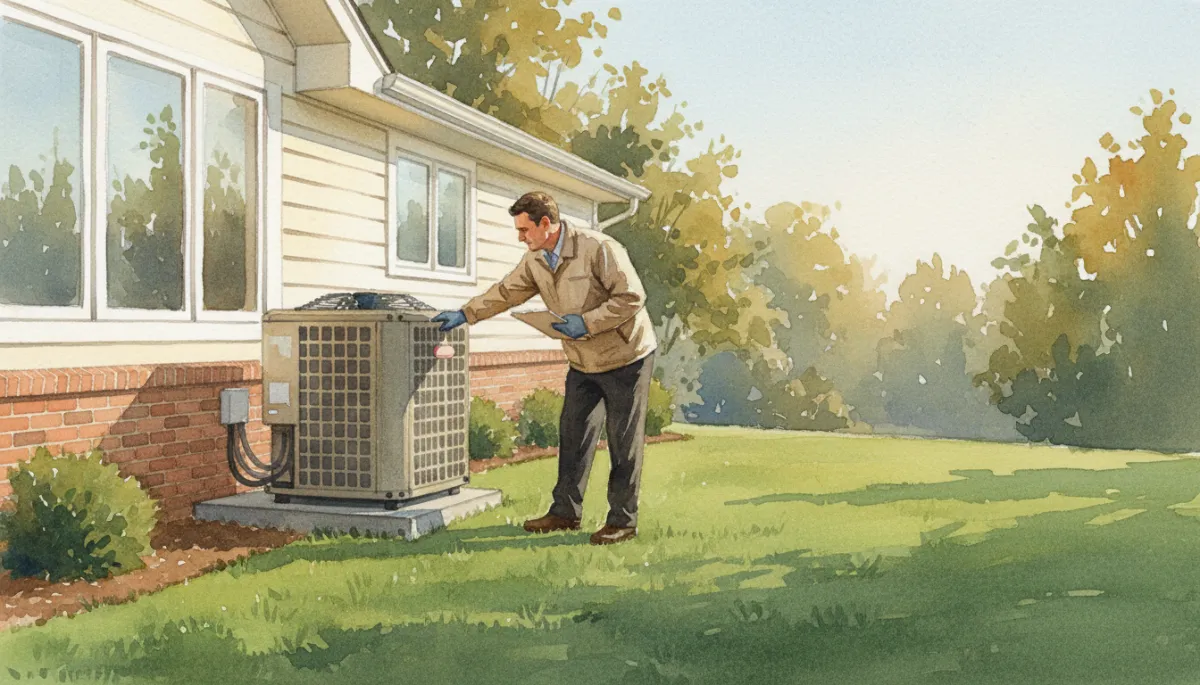
Clear inspection reports and repair estimates help buyers see past aging systems.
Other Major Repairs: Foundation, Plumbing, Electrical, and More
Beyond roofs and HVAC, issues like foundation movement, outdated electrical panels, failing plumbing, or water damage can feel overwhelming. Each one affects value and buyer confidence differently, but the decision-making framework is similar: fix, credit, or sell as-is.
Safety and structural repairs. Problems that impact safety like major foundation cracks, knob-and-tube wiring, or severe mold often need at least partial remediation for traditional financing. Cash buyers are more flexible but will discount heavily.
Functional but outdated systems. Old plumbing, single-pane windows, or worn flooring may not block a sale, but they will affect the price. Many buyers are willing to tackle cosmetic or non-urgent updates in exchange for a lower purchase price.
Provide repair bids up front. When you can show two or three contractor estimates, buyers can quickly understand the scope and cost, which makes them more comfortable writing an offer.
⚠️ Warning: Skipping required disclosures about known issues can lead to legal trouble later. Be honest about leaks, past repairs, and ongoing problems, even if you sell “as-is.”
Choosing the Right Selling Strategy for Your Situation
The best path depends on your timeline, budget, and local market. In a hot seller’s market, buyers may overlook more defects in exchange for simply getting a home. In a slower market, they’ll expect either repairs or a meaningful discount. A knowledgeable local agent can help you compare the likely sale price with repairs versus without, so you can decide if investing upfront is worthwhile.
You don’t need a perfect house to have a successful sale. By understanding your home’s condition, being transparent, and aligning your price and strategy with reality, you can move forward confidently roof issues, old HVAC, major repairs and all.
📞 Contact John Meier – Westplex Real Estate today to start planning your move:
📱 Call or text: (636) 242-5365
🌐 Visit: JohnMeierSells.com


