Sell Your Home and Buy the Next Seamlessly
Real Estate, Home Selling, Home Buying
How Do You Sell a Home When You Need the Money for Your Next House?
Coordinating the sale of your current home with the purchase of your next one can feel like a financial high-wire act. With the right strategy, though, you can unlock your equity and move smoothly into your new place without unnecessary stress.
Step One: Get Clear on Your Numbers
Before you decide how to structure your sale and purchase, you need a realistic picture of your finances. That means understanding how much equity you have, what you can qualify for, and what homes in your target area actually cost right now.
Estimate your home’s value: Ask an experienced local agent for a comparative market analysis rather than relying only on online estimates.
Calculate your net proceeds: Subtract your mortgage payoff, closing costs, and any prep or repair expenses from the likely sale price. The remainder is the cash you can put toward your next home.
Talk to a lender early: Find out whether you could qualify to buy before you sell, even if you ultimately decide not to. Knowing your options gives you leverage.
💡 Pro Tip: Ask your lender to run scenarios both with and without the sale proceeds, so you can compare what’s possible in each case.
Option 1: Sell First, Then Buy (The Safest Financial Path)
For many homeowners, the most straightforward way to access the money for a new house is to sell first. You close on your current home, receive your proceeds, then use that cash as the down payment on your next place. Financially, this is often the safest route because you’re not juggling two mortgages at once.
The main drawback is logistics. You may need temporary housing or a short-term rental if you don’t find your next home quickly. To reduce that risk, many sellers negotiate a rent-back agreement, where they stay in the home for a set period after closing while paying rent to the buyer. This buys you time to shop for your next property with your cash in hand.
Option 2: Buy with a Home Sale Contingency
If moving twice sounds overwhelming, you can try to buy and sell at the same time using a home sale contingency. This clause in your offer on the new home says you will only complete the purchase if your current home sells within a certain timeframe. It allows you to write an offer without having all your cash yet, because everyone understands that the money will come from your sale.
The trade-off is competitiveness. In hot markets, sellers often prefer offers without contingencies. You can make your contingent offer stronger by already having your current home on the market, priced correctly, and ideally under contract. That shows the seller you’re serious and that the money you need is likely on its way.

Lining up financing and paperwork early makes contingent offers more convincing.
Option 3: Bridge Loans and Other Short-Term Financing
If you’ve built significant equity but need the cash before your sale closes, a bridge loan or similar short-term financing might help. A bridge loan is a temporary loan that uses your current home’s equity to fund the down payment on your new home. Once your old home sells, you use the proceeds to pay off the bridge loan.
These loans can be useful, but they’re not for everyone. They often come with higher interest rates and fees, and you’ll need to qualify based on your income and overall debt. A similar approach is a home equity line of credit (HELOC) taken out before you list your home, then repaid at closing. In both cases, you’re borrowing against your equity to unlock the cash you need sooner.
⚠️ Warning: Short-term loans can be powerful tools, but they add risk if your home takes longer than expected to sell or sells for less than you planned. Review worst-case scenarios with your lender before committing.
Option 4: Work with a Cash Buyer or Trade-In Program
In some areas, companies and specialized real estate programs will effectively “trade in” your current home or buy it quickly for cash, then help you purchase your next one. The appeal is certainty: you know your home will sell, and you can move forward with your next purchase without waiting on the open market.
The trade-off is price. Convenience often comes at a cost, and you may net less than you would through a traditional listing. If timing and simplicity matter more than squeezing out every last dollar, this can still be a smart path to getting the money you need for your next house on a predictable schedule.
Make Your Current Home Sale-Ready to Maximize Your Cash
No matter which route you choose, the more attractive your current home is to buyers, the more money you’ll have to work with. Focus on simple, high-impact steps: decluttering, deep cleaning, neutral paint, minor repairs, and great listing photos. A strong first impression can translate directly into higher offers and fewer days on market, both of which make it easier to move into your next house on your terms.
Putting It All Together: Choosing the Right Strategy for You
Selling a home when you need the money for your next house is all about balancing timing, risk, and comfort. If financial safety is your top priority, selling first and then buying with cash in hand may be best. If convenience matters more, a home sale contingency, bridge loan, or trade-in program can help you move once instead of twice.
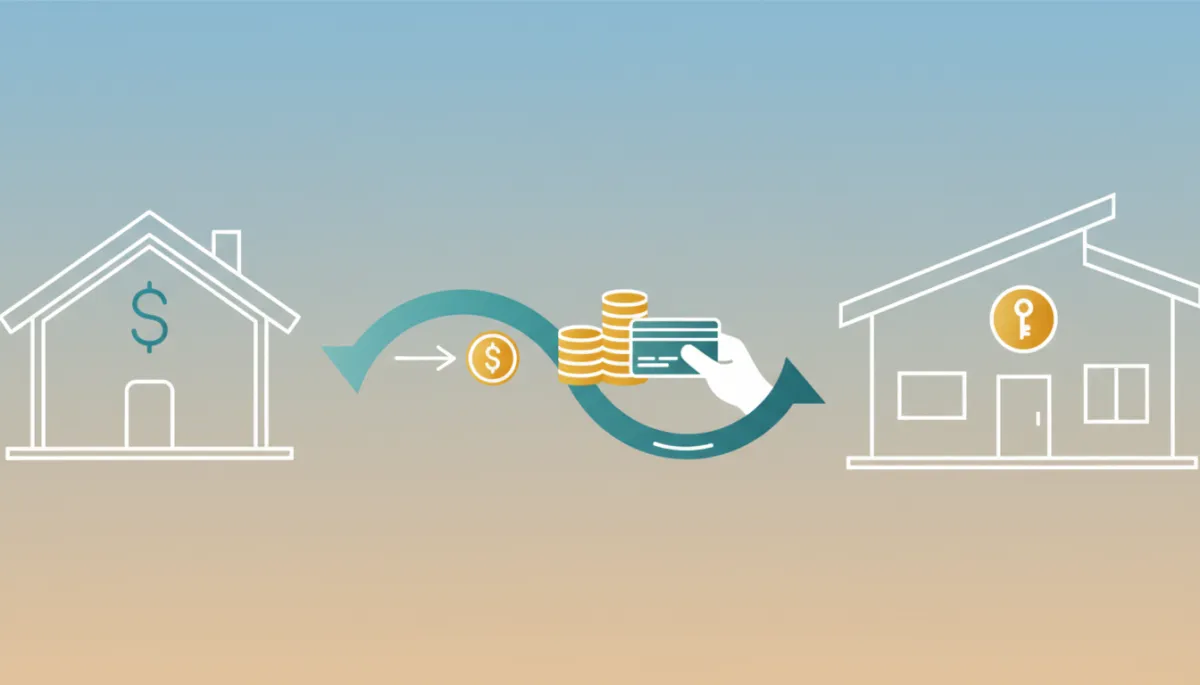
Start by clarifying your numbers, then sit down with both a lender and a trusted real estate agent to map out a plan. With a clear strategy, you can turn the equity in your current home into the key that opens the door to your next one without feeling like you’re taking a leap in the dark.


