
Handling Property Taxes When Selling in Missouri
Real Estate, Missouri Property Taxes
How Property Taxes Are Handled When You Sell a Home in Missouri
Selling a home in Missouri involves more than accepting an offer and signing closing papers. One of the most important details is how property taxes are divided between you and the buyer. Understanding this ahead of time can prevent last‑minute surprises at the closing table.
How Missouri Property Taxes Work in General
Missouri property taxes are based on your home's assessed value and the local tax rates set by counties, cities, and school districts. Taxes are billed once a year and cover the calendar year from January 1 through December 31. Most counties mail bills in the fall, and payment is typically due by December 31 of that year.
Even though the bill arrives late in the year, it represents taxes for the entire year. That timing is what makes tax handling at closing especially important when a home changes hands mid‑year.
Who Pays Property Taxes When You Sell in Missouri?
In Missouri, there is no single statewide rule that the seller or buyer must pay all of the year's property taxes. Instead, the standard practice in most transactions is to prorate (split) the taxes between buyer and seller based on how many days each owned the home during that tax year . This proration is usually negotiated in the purchase contract and then calculated precisely on the closing statement.
💡 Pro Tip: Always check your signed contract. It spells out exactly how property taxes will be prorated and who is responsible for any unpaid amounts.
How Tax Proration Works at Closing
Tax proration is the process of dividing the year's property tax bill between the seller and buyer. The title company or closing attorney will estimate the full‑year tax amount, then calculate how much of that bill belongs to the seller based on the closing date . The goal is simple: you pay taxes only for the time you owned the home.
If you close before the tax bill is issued, the title company typically uses last year's tax bill as a guide to estimate this year's amount.
If you close after the bill is out, they usually use the actual bill for the calculation.
The seller's share is then shown as a debit (amount you owe) on the closing statement, and the buyer receives a matching credit . This way, when the tax bill is ultimately paid, the buyer isn't covering your portion of the year out of pocket.
Common Missouri Scenarios for Sellers
The exact way property taxes are handled can look slightly different depending on the timing of your sale and whether you have a mortgage escrow:
You sell mid‑year and the tax bill is not out yet. At closing, you give the buyer a prorated credit for your share of the year's taxes. The buyer will later receive and pay the full bill but already has your portion covered in that credit.
You sell after the tax bill is issued but before you've paid it. The closing may either pay the bill directly out of your sale proceeds or give the buyer a tax credit so they can pay it themselves. Either way, your ownership period is accounted for through proration.
Your mortgage has an escrow account. Your lender has likely been collecting money for taxes all year. At closing, the loan is paid off, and any remaining escrow balance is usually refunded to you directly by the lender a few weeks later. This is separate from the tax proration shown on the closing statement.
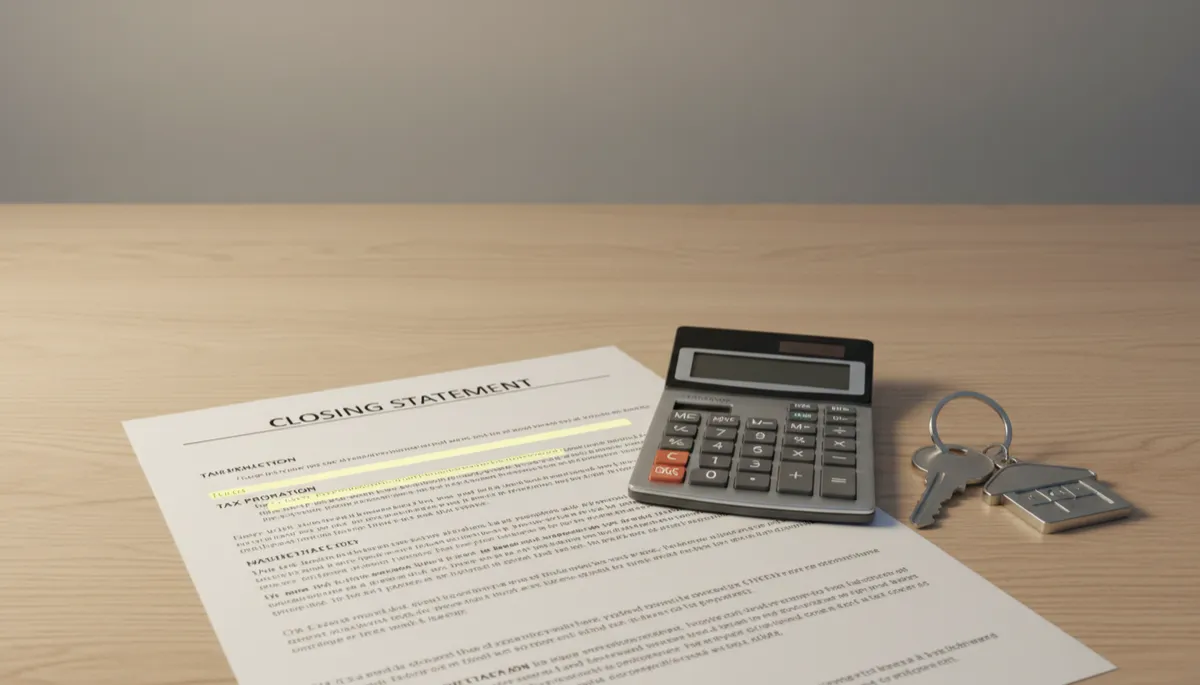
Your settlement statement clearly lists how much property tax is assigned to you as the seller.
Negotiating Property Taxes in Your Contract
While prorating property taxes is standard, the details are negotiable . A buyer might ask the seller to pay a slightly larger share in a buyers' market, or a seller may push for a more neutral split. In most Missouri real estate contracts, the default language already outlines a customary prorating method, but you can agree to adjust it if both sides consent.
📌 Key Takeaway: Clarify property tax handling early in negotiations so the numbers at closing match your expectations.
What Missouri Home Sellers Should Do Before Listing
To avoid surprises, sellers can take a few simple steps before their home hits the market:
Review last year's property tax bill so you understand the annual amount and due date.
Ask your real estate agent how taxes are typically prorated in your area and what buyers expect.
Confirm with your lender whether you have an escrow account and how any remaining balance will be refunded after payoff.
Final Thoughts on Selling and Property Taxes in Missouri
When you sell a home in Missouri, property taxes don't have to be confusing. In most cases, they are simply prorated at closing so each party pays for the time they owned the property. By reviewing your contract, asking questions early, and understanding how prorations work, you can walk into closing confident that your tax obligations are handled fairly and accurately.


