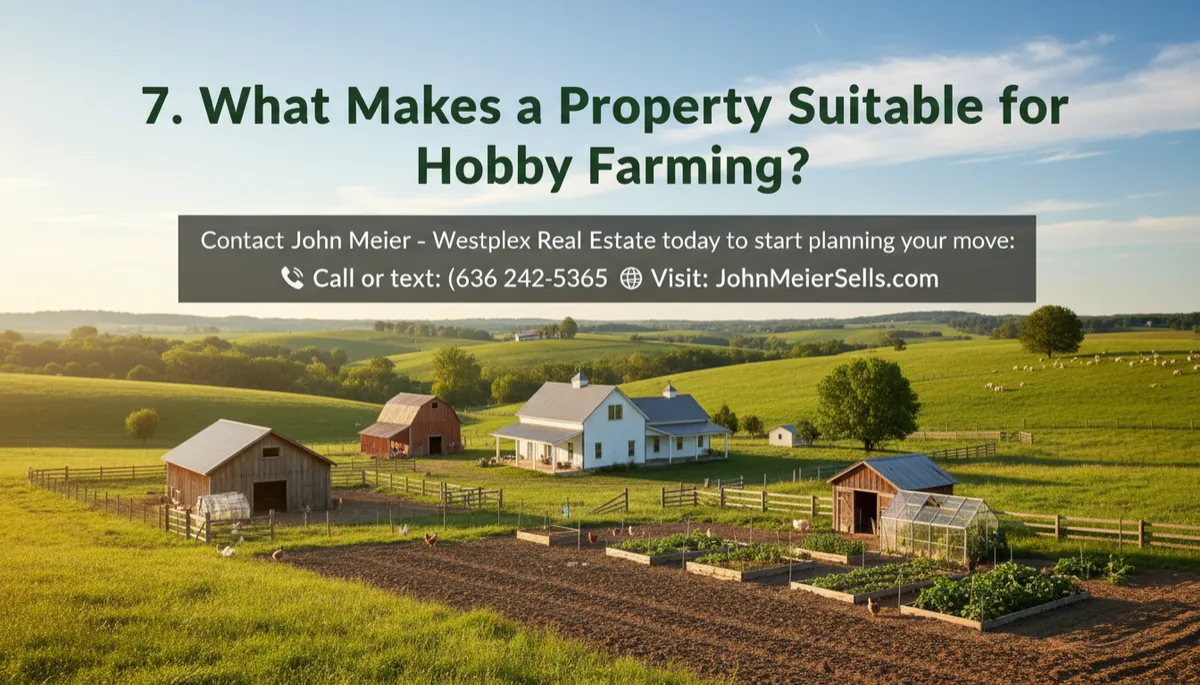
Choosing the Perfect Property for Hobby Farming
Real Estate, Hobby Farming
What Makes a Property Suitable for Hobby Farming?
Dreaming of gathering fresh eggs, tending a big garden, or keeping a few animals on your own land? Choosing the right property is the difference between a rewarding hobby farm and a daily struggle. Here is what truly makes a property suitable for hobby farming.
1. The Right Amount of Usable Land
Hobby farms come in many sizes, but the key is usable acreage, not just total acreage. A five-acre property with level, open ground can be more practical than ten acres of steep hills and dense woods. Look for a mix of open pasture and some trees for shade and wind protection, with enough space for gardens, small livestock areas, and outbuildings without feeling crowded.
2. Soil Quality and Drainage
Healthy soil is the foundation of a productive hobby farm. Ideally, you want well-drained soil that is not too rocky or compacted. Flat or gently sloping ground is easier to work and less prone to erosion. Even if the soil is not perfect, it should be improvable with compost, cover crops, and good management. Avoid low-lying areas that stay soggy after a rain, as they can limit where you plant and where animals can comfortably live.
3. Reliable Water Sources and Access
Water is essential for gardens, animals, and everyday living. A suitable hobby farm property should have a dependable water source — whether that is a well, rural water, or both. Consider the cost and logistics of getting water to future gardens, barns, and pens. Natural features like ponds or small creeks can be a bonus, but you will still want a primary, tested water supply you can count on year-round.
4. Zoning, Covenants, and Local Regulations
Not every “country” property allows chickens, goats, or roadside produce stands. Before you fall in love with a place, confirm that local zoning and any neighborhood covenants align with your plans. Some areas restrict livestock, limit the number of outbuildings, or prohibit certain types of fencing. A property is truly suitable for hobby farming only if the rules support the lifestyle you want to build there.
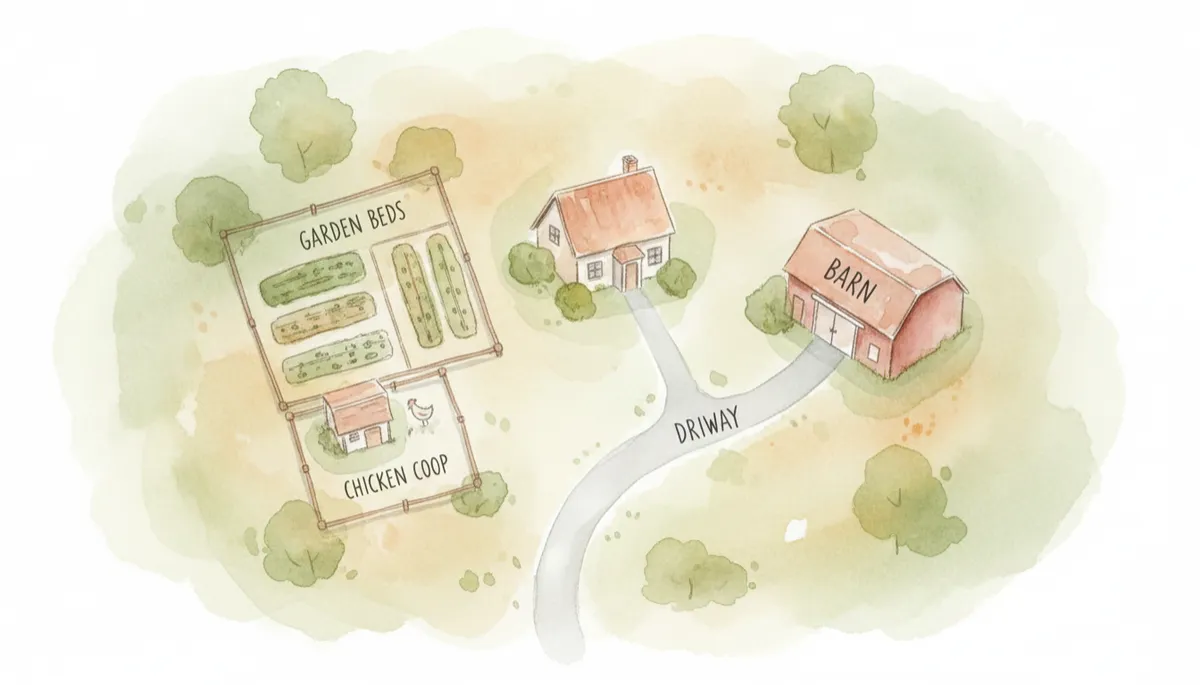
Thoughtful layout keeps chores efficient and separates clean, quiet, and animal areas.
5. Existing Structures and Future Expansion
A property with a solid barn, shed, or fenced paddock can save you time and money as you get started. Even if buildings are older, good “bones” are valuable. At the same time, think ahead: is there room for a greenhouse, a larger coop, or more raised beds down the road? A suitable hobby farm property offers both functional structures now and the flexibility to grow with your goals.
6. Accessibility, Utilities, and Lifestyle Fit
Your dream property should also work for your everyday life. Consider the distance to town, schools, and work, as well as road conditions in winter or heavy rain. Check for reliable electricity, internet options, and waste management. A truly suitable hobby farm strikes a balance between rural privacy and practical convenience, so that daily chores and commutes remain manageable over the long term.
7. The Intangibles: Sunlight, Wind, and Feel
Finally, do not overlook the “feel” of a place. Notice how the sun moves across the property you will want good southern exposure for gardens and pleasant light around the home. Pay attention to wind patterns and natural shelter from trees or terrain. Walk the land at different times of day if possible. A property that is truly suitable for hobby farming should feel comfortable, inviting, and like a place you can imagine spending countless hours outdoors.
📌 Key Takeaway: The best hobby farm properties combine practical features usable land, water, and supportive zoning with a layout and setting that match your lifestyle and long-term goals.
Ready to Find the Right Hobby Farm Property?
A knowledgeable local real estate professional can help you evaluate properties through a hobby-farming lens from soil and slope to restrictions and resale value. If you are serious about starting your own small farm, partnering with someone who understands both the market and the lifestyle will save you time, stress, and costly missteps.
Contact John Meier – Westplex Real Estate today to start planning your move:
📞 Call or text: (636) 242-5365
🌐 Visit: JohnMeierSells.com


