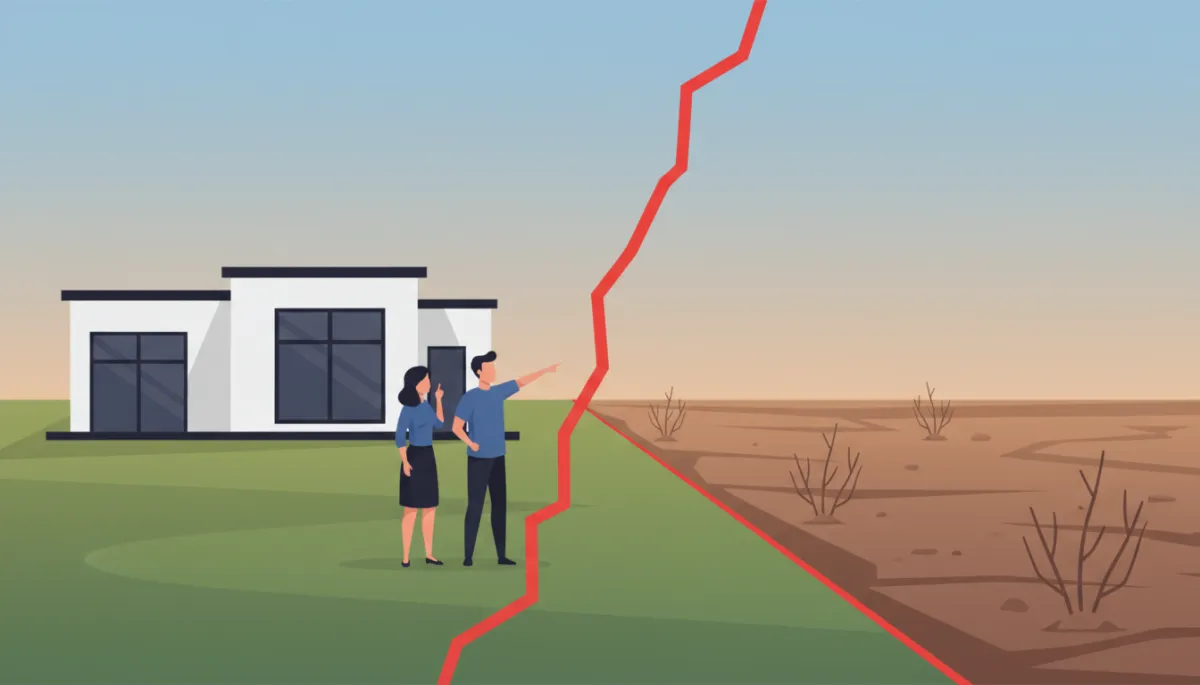
Understanding Property Boundary Disputes
Property Law, Home Buying, Boundary Disputes
What Does a Property Boundary Dispute Mean for a Buyer?
Discover how a property boundary dispute can affect your purchase, your mortgage, and your peace of mind and what to do before you sign on the dotted line.
What is a Property Boundary Dispute?
A property boundary dispute arises when neighboring owners disagree about where one property ends and the other begins. The conflict might involve a fence, driveway, hedge, garage, extension, or even shared access such as a pathway or right of way. Sometimes it is a simple mistake; other times it is a long‑running disagreement that has turned personal and legal.
For a buyer, this is more than a technical issue on a plan. It can affect how much land you actually own, your ability to use parts of the garden or driveway, and your relationship with the people living next door. It may also influence whether your lender is willing to offer a mortgage and whether your insurer will provide full cover.
How a Boundary Dispute Can Impact Your Purchase
1. Uncertainty Over What You Are Actually Buying
When there is a dispute, there is uncertainty about the true boundary line. That means:
You may own less land than you think if a court later rules that part of the garden, path, or driveway belongs to the neighbor.
A structure, such as a shed or extension, could be found to encroach onto someone else’s land and might have to be altered or removed.
This uncertainty can reduce the property’s value and make it harder to sell in the future, because the next buyer will inherit the same question mark over the title.
2. Potential Delays, Costs, and Legal Risks
Boundary disputes are notoriously time‑consuming and expensive to resolve. As a buyer, you face several risks:
Delay to completion: Your solicitor may advise pausing the transaction until the disagreement is settled or clearly documented, which can jeopardise chains and moving dates.
Legal costs: If you proceed, you could be drawn into negotiations, mediation, expert surveys, or even court proceedings after you move in often costing thousands in fees.
Ongoing stress: Living with a simmering dispute can be emotionally draining and may make your new home feel far from peaceful.

Early, documented agreements on boundaries can prevent costly disputes later.
3. Mortgage and Insurance Complications
Lenders and insurers dislike uncertainty. If your solicitor reports an unresolved boundary dispute, your mortgage provider may:
Insist that the dispute is settled before they release funds.
Require additional reports, surveys, or legal indemnity insurance.
In some cases, refuse to lend at all, forcing you to withdraw or find a different lender.
Similarly, an insurer might limit cover or exclude claims arising from the disputed area, which could leave you exposed if damage or an accident occurs there.
What Should a Buyer Do if There is a Boundary Dispute?
1. Ask Direct, Written Questions Early
If you notice an odd fence line or hear mention of a disagreement, raise it with the estate agent and your solicitor immediately. Ask the seller to confirm, in writing, whether there have been any disputes or complaints with neighbours about boundaries or access. This information should then be recorded in the legal documentation for the sale.
2. Get Professional Advice and Evidence
Your conveyancing solicitor can review the title documents, Land Registry plan, and any historic correspondence. In more complex cases, they may recommend:
A specialist boundary surveyor to take precise measurements and compare them with the legal plans.
Negotiation or mediation between the seller and the neighbour to reach a clear, documented agreement before you proceed.
💡 Pro Tip: Never rely solely on where a fence or hedge currently sits. Only legal documents, combined with professional surveys, can reliably show where the true boundary is meant to be.
3. Consider Renegotiating, Insuring, or Walking Away
Once you understand the scale of the issue, you have options. Depending on your risk appetite and your adviser’s guidance, you might:
Renegotiate the price to reflect the uncertainty or potential loss of land.
Request that the seller resolves the dispute or funds indemnity insurance before exchange of contracts.
Decide not to proceed if the risk, cost, or stress is likely to outweigh the benefits of buying that particular property.
So, What Does a Boundary Dispute Really Mean for a Buyer?
In practical terms, a property boundary dispute means risk, uncertainty, and potentially extra cost. It can affect the size and enjoyment of your new home, your relationship with neighbours, and even whether your mortgage is approved. However, with early questions, clear legal advice, and the right professional support, you can make a calm, informed decision about whether to proceed, renegotiate, or walk away.
Before you fall in love with the garden fence or the neatly paved driveway, make sure you know exactly where the property ends and what any boundary dispute could mean for you as the buyer.


