
Prepare Your Home for Sale: Essential Repair Tips
Home Selling, Home Repairs
How Do You Prepare a Home That Needs Repairs?
Getting a home ready when it clearly needs repairs can feel overwhelming. With a clear plan, you can prioritize what matters most, control costs, and present your property in the best possible light to buyers, renters, or appraisers.
Step 1: Take an Honest Tour of Your Home
Start by walking through your home as if you were seeing it for the first time. Bring a notebook or use your phone to record what you notice, room by room. Look at:
Cosmetic issues – peeling paint, scuffed walls, stained carpet, worn flooring, dated fixtures.
Functional problems – doors that don’t close properly, dripping faucets, running toilets, broken switches or outlets.
Major concerns – signs of water damage, cracks in walls or ceilings, sagging floors, roof stains, or a constantly running HVAC system.
This first pass gives you a realistic picture of what you’re working with and prevents surprises later when buyers or inspectors point out the same issues.
Step 2: Separate Must-Fix Items from Nice-to-Haves
Not every problem deserves the same level of attention. To prepare a home that needs repairs, you’ll want to focus on what truly affects safety, financing, and first impressions. Sort your list into three categories:
Safety and structural issues – exposed wiring, active leaks, mold, loose railings, broken steps, or anything that could cause injury or serious damage. These are top priority.
Systems and inspection red flags – old but failing HVAC, plumbing problems, roof nearing the end of its life, or windows that don’t open. These items often show up on inspections and can derail a sale or negotiation.
Cosmetic and value-boosting updates – fresh paint, updated lighting, new cabinet hardware, simple landscaping, and deep cleaning. These don’t always have to be perfect, but they strongly influence buyer perception.
💡 Pro Tip: If you’re unsure whether something is “must-fix,” ask a local real estate agent or contractor what buyers in your area expect at your price point.
Step 3: Get Professional Opinions for Bigger Problems
When your home needs noticeable repairs, guessing at costs can lead to overspending or underpreparing. For major items like roofing, foundation, electrical, or plumbing invite licensed professionals to provide estimates. This helps you:
Understand the true scope of work and timelines.
Decide whether to repair now, offer credits to buyers, or price the home accordingly “as-is.”
Avoid surprises during inspections that might cause deals to fall apart.
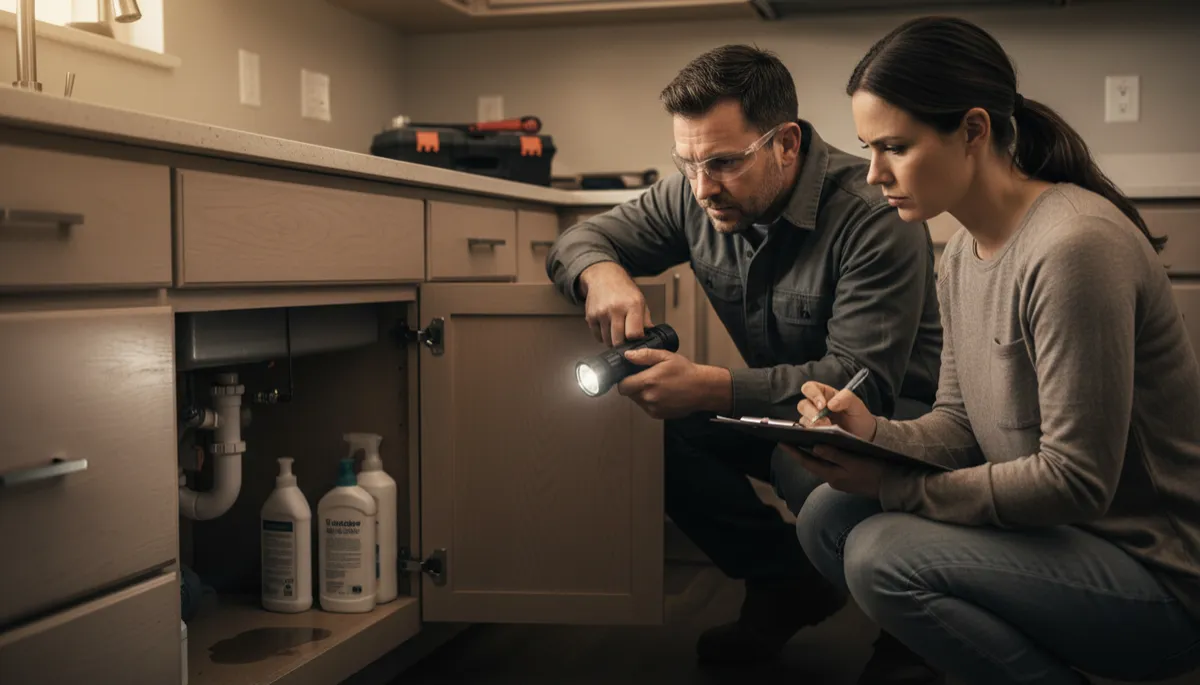
Clear estimates on key repairs help you budget and negotiate with confidence.
Step 4: Create a Realistic Repair and Prep Budget
Once you know what needs attention, set a budget that balances return on investment with your financial comfort level. Allocate funds first to safety and system issues, then to the cosmetic changes that will make the biggest visual impact, such as:
Neutral interior paint in high-traffic rooms.
Replacing broken or heavily worn fixtures and hardware.
Basic landscaping cleanup: trimming bushes, edging, and fresh mulch.
If funds are tight, consider doing simple, non-technical tasks yourself like patching nail holes, repainting, caulking, and deep cleaning while leaving specialized work to professionals.
Step 5: Declutter, Clean, and Stage Around Imperfections
Even if your home needs repairs, you can dramatically improve how it feels by making it clean, bright, and spacious. Remove excess furniture and personal items, clear countertops, and organize closets. Then schedule a thorough cleaning, paying special attention to kitchens, bathrooms, and floors.
Simple staging like adding fresh towels, neutral bedding, and a few tasteful accessories helps buyers see past imperfections. The goal is to create an environment where needed repairs feel manageable rather than overwhelming.
Step 6: Decide How Transparent You’ll Be About Repairs
Preparing a home that needs repairs also means preparing your paperwork and your message. Gather any warranties, service records, and receipts for work you’ve completed. In many areas, you’re required to disclose known issues, especially major ones like foundation cracks, roof leaks, or past flooding.
Being upfront builds trust and reduces last-minute renegotiations. You can position the property honestly—acknowledging what still needs work while highlighting the repairs, updates, and maintenance you’ve already handled.
Step 7: Work with the Right Professionals
Finally, surround yourself with people who understand homes that aren’t perfect. A real estate agent experienced with “fixer-upper” properties, a reliable contractor, and, if needed, a home inspector on your side can all help you:
Price the home realistically for its condition and location.
Decide which repairs are worth doing before listing and which can be handled through negotiation.
Communicate clearly with buyers who may be nervous about taking on projects.
Bringing It All Together
Preparing a home that needs repairs is less about making everything flawless and more about being strategic. Start with an honest assessment, prioritize safety and major systems, invest in high-impact cosmetic fixes, and present the property as clean, organized, and well cared for. With a thoughtful plan and the right help, you can move forward confidently even when your home isn’t in perfect shape.
Contact John Meier – Westplex Real Estate today to start planning your move:
📞 Call or text: (636) 242-5365
🌐 Visit: JohnMeierSells.com


