New Home Construction Timeline: What to Expect
Home Building, New Construction Timeline
How Long Does It Take to Build a New House?
Wondering how long it really takes to turn a set of plans into a finished home? Understanding the typical new-build timeline helps you plan your move, budget, and expectations with far less stress.
The Short Answer: 6 to 12 Months for Most New Homes
For a typical single-family home, you can usually expect about 6 to 12 months from breaking ground to move-in. This range depends on the size of the house, the complexity of the design, the builder’s schedule, and how smoothly permits and inspections go. Custom homes or large, detailed builds can stretch to 12 to 18 months or more, while smaller, production-style homes in new estates may be finished closer to the 6–8 month mark once construction actually begins.
Before the Build: 1 to 6+ Months of Planning and Approvals
The clock doesn’t really start when the first shovel hits the ground. Long before that, there’s a planning phase that can last several weeks to several months:
Choosing land and a builder: Finding the right block and signing with a reputable builder can take a month or more, especially if you are comparing several options.
Design and selections: Finalising floor plans, structural options, and finishes (kitchen, bathrooms, flooring, fixtures) often adds another 4–8 weeks, depending on how decisive you are and how many changes you make.
Permits and approvals: Council or municipal approvals, engineering, and building permits can add 4–12 weeks, and sometimes longer in busy areas or for more complex sites.
💡 Pro Tip: Finalise as many design decisions as possible before construction starts. Late changes almost always slow the build down.
Construction Phase Breakdown: Stage-by-Stage Timeline
Once approvals are in place and your builder is ready to start, the construction phase usually follows a predictable sequence. Here’s how long each stage typically takes for a standard home, assuming reasonable weather and no major surprises:
1. Site Preparation and Foundations (2–4 Weeks)
This stage includes clearing the block, levelling the site, setting out the footprint, and pouring the slab or constructing footings and foundations. Soil quality and site access can speed up or slow down this step. Once the concrete is poured, it also needs time to cure before the frame goes up.
2. Framing and Roof Structure (3–8 Weeks)
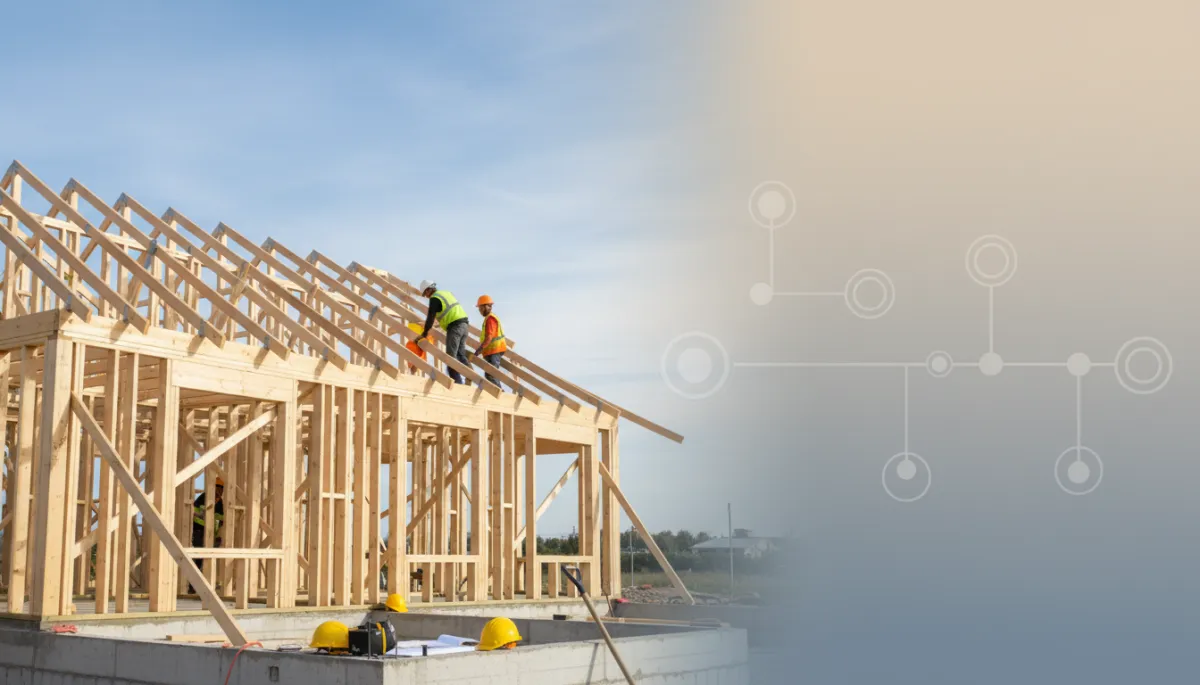
The frame is the skeleton of your home: walls, floors, and roof structure. For a straightforward single-storey home, framing might take 3–4 weeks. Larger, double-storey, or architecturally complex homes can take 6–8 weeks. Weather plays a big role here; heavy rain or storms can delay progress.
3. Lock-Up Stage: Exterior Shell (4–8 Weeks)
During lock-up, your home becomes weatherproof. This usually includes external walls, windows, doors, and the finished roof. Once this is complete, the building can be “locked up,” allowing interior trades to work without weather interruptions. Brickwork or cladding, roofing, and external details can collectively take around 1–2 months.
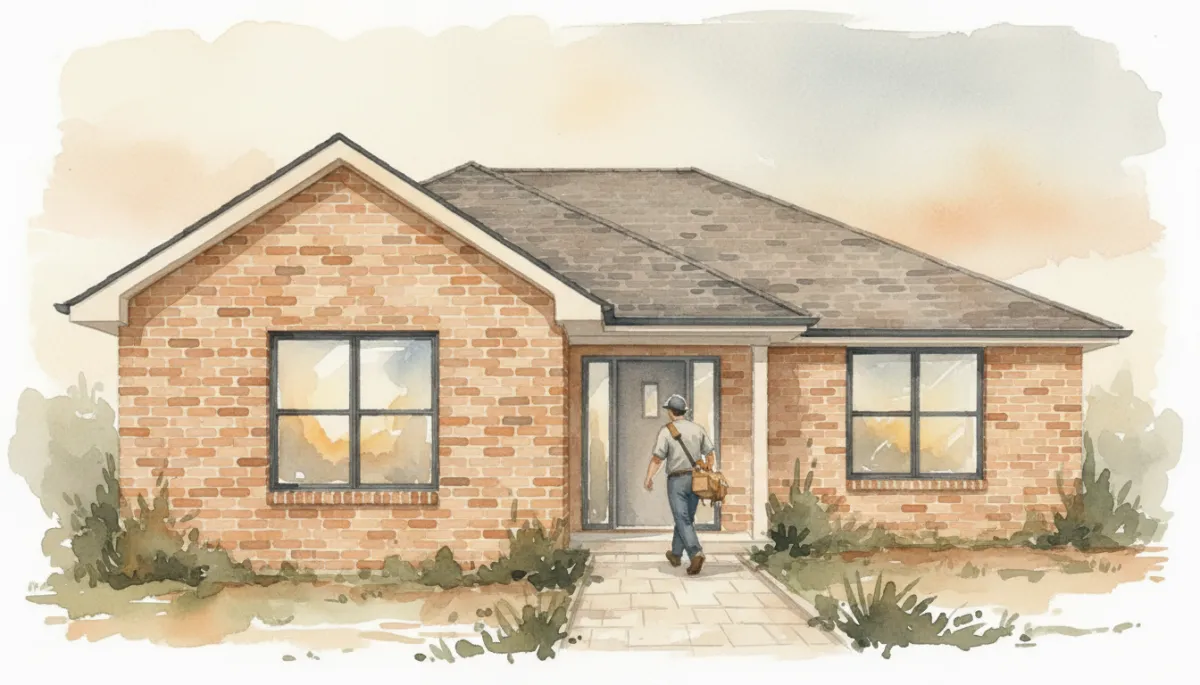
Reaching lock-up is a major milestone that protects the schedule from bad weather.
4. Interior Rough-Ins and Plaster (4–8 Weeks)
With the shell complete, electricians, plumbers, and HVAC specialists install wiring, pipes, and ducting. After inspections, walls and ceilings are lined with plasterboard, and internal doors and frames are fitted. Coordinating multiple trades can make this stage feel slow, but it typically takes 1–2 months.
5. Finishes and Fit-Out (6–10 Weeks)
This is where your house starts to look like a home. Tiling, cabinetry, benchtops, painting, flooring, tapware, light fittings, and appliances are installed. Because there are many moving parts and deliveries, this stage commonly takes 1.5–2.5 months. Any delays in materials or last-minute changes can quickly add extra weeks.
6. Final Touches, Inspections, and Handover (2–4 Weeks)
Before you receive the keys, your builder completes final checks, touch-ups, and cleaning. Official inspections ensure the home meets building codes and safety standards. You’ll usually do a walkthrough to note any defects or small issues to be fixed. This final stage generally lasts 2–4 weeks, depending on how many items need attention.
What Can Speed Up or Slow Down Your Build?
Even with a clear schedule, every build is unique. A few key factors influence how long it takes to build your new house:
Weather: Prolonged rain, storms, or extreme heat can delay foundations, framing, and external work.
Supply and labour shortages: High demand for trades or materials can extend lead times for everything from windows to roof tiles.
Design complexity: Custom features, unusual layouts, and high-end finishes often require more time and specialist trades.
Variations and changes: Altering plans or selections after construction starts nearly always pushes the completion date back.
📌 Key Takeaway: A realistic timeline for most new homes is around 6–12 months of construction, plus extra time upfront for design and approvals. Planning ahead and choosing an organised builder are the best ways to keep your build on track.
Planning Your Move with Confidence
When you add it all together, building a new house usually involves several months of preparation followed by half a year to a full year of construction. While no builder can guarantee the weather or the global supply chain, clear communication, realistic expectations, and a little flexibility will make the journey far smoother. With the right team and a solid plan, you can watch your new home take shape step by step and move in knowing exactly what went into every wall, window, and finish.
John Meier is a local real estate agent inWarrenton, MO (63383)helping sellers inWarrenton, Truesdale, and Wright Cityprepare their homes to shine for every showing.
Westplex Real Estate
📞(636) 242-5365
🌐JohnMeierSells.com


