What Happens to Your Mortgage When Selling?
Real Estate, Mortgages
What Happens to My Mortgage When I Sell My House?
Selling a home when you still have a mortgage is completely normal, but it often raises one big question: what actually happens to that loan once a buyer is found? This guide walks you through the process in clear, practical steps so you know exactly what to expect from listing day to closing day.
Your Mortgage Doesn’t Move With You
When you sell your house, your existing mortgage does not transfer to the buyer and it does not follow you to your next home. Instead, the mortgage is tied to the property you are selling. At closing, the loan is paid off in full from the sale proceeds, and the lender releases its claim on the property so the buyer can receive clear title.
Think of it this way: the buyer is purchasing your home, not your loan. They will likely obtain their own mortgage (or pay cash), while your lender is repaid and your obligation on that loan ends once the payoff is complete and properly recorded.
Step 1: Getting Your Mortgage Payoff Amount
Early in the selling process, your real estate agent or closing attorney will ask your lender for a payoff statement. This is different from the balance you see on your monthly statement. The payoff statement includes:
The exact amount needed to pay off the loan on a specific date
Any accrued interest up to that date
Possible fees, such as recording or statement fees
Having this figure helps you estimate how much money you will walk away with after paying off your mortgage and other closing costs, such as agent commissions, taxes, and title fees.
💡 Pro Tip: Ask your lender if the payoff amount changes daily. Interest usually accrues every day, so a payoff good for one date may need to be updated if your closing date shifts.
Step 2: How the Mortgage Is Paid at Closing
On closing day, you typically do not write a personal check to your lender. Instead, the closing company, attorney, or escrow agent handles the entire process. Here is what usually happens behind the scenes:
The buyer’s funds (from their lender or cash) are wired into the closing account.
The closing agent uses part of those funds to send a wire or certified check directly to your mortgage lender for the payoff amount.
Once the lender receives payment, it processes the payoff and issues a release of lien, clearing the title for the buyer.
After the mortgage and other obligations are paid, any remaining money is your net proceeds. That amount is usually sent to you by wire transfer or check shortly after closing, depending on local practice and how quickly the lender confirms payoff.
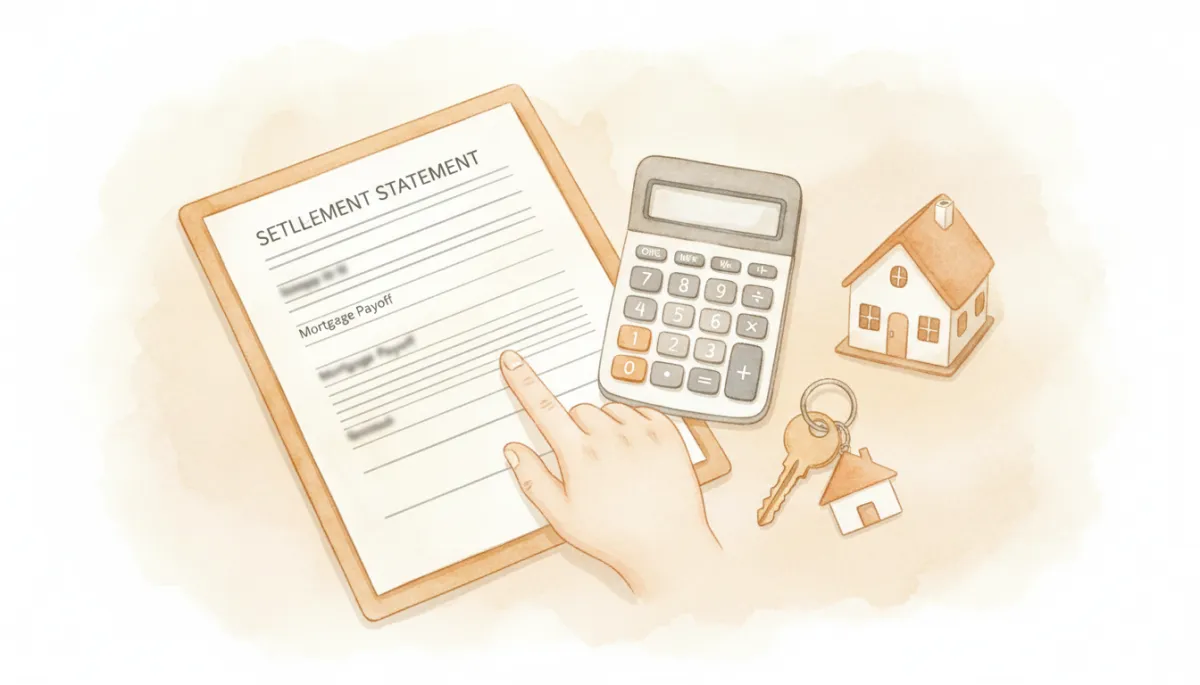
Your mortgage payoff is listed clearly on the closing statement so you can see where every dollar goes.
What If Your Sale Price Is Higher Than Your Mortgage?
If your home sells for more than what you owe on your mortgage and closing costs, the difference is your profit. For example, if your sale price is $400,000 and:
Your mortgage payoff is $250,000
Your total closing costs are $30,000
You would receive approximately $120,000 in net proceeds. Many sellers use this money toward the down payment on their next home, to pay off other debts, or to boost savings and investments.
What If You Owe More Than the Home Is Worth?
Sometimes, the mortgage balance is higher than the expected sale price, especially if home values have dropped or you bought recently with a small down payment. In that case, you have a few options:
Bring cash to closing: You pay the difference out of pocket so the lender is fully repaid.
Request a short sale: With lender approval, the home is sold for less than the mortgage balance and the lender agrees to accept that amount, often with credit consequences.
If you suspect you are in this situation, speak with your lender and a qualified real estate professional early. They can help you understand the financial and credit impact of each path before you list the home.
What About Second Mortgages, HELOCs, or Other Liens?
If you have a second mortgage, a home equity line of credit (HELOC), or other liens on the property, they generally must also be paid off at closing. The closing agent will obtain payoff statements for each one and distribute the sale proceeds accordingly, usually in this order:
First mortgage
Second mortgage or HELOC
Other recorded liens or judgments, if any
Only after these are satisfied will any remaining funds be released to you as the seller. This ensures the buyer receives a property free of old debts tied to the home.
Can the Buyer Take Over My Existing Mortgage?
In most modern home sales, the answer is no. The majority of mortgages include a due-on-sale clause, which means the full balance becomes due when the property changes hands. There are a few exceptions with certain government-backed loans (like some FHA or VA loans) that may be assumable, but even then, the buyer must qualify with the lender and complete a formal assumption process.
For the typical homeowner, it is safest to plan on the mortgage being paid off at closing rather than expecting a buyer to simply “take it over.”
Final Thoughts: What Happens to Your Mortgage When You Sell
When you sell your house, your mortgage is settled and closed as part of the transaction. The sale proceeds pay off the loan, your lender releases its claim on the property, and any remaining money becomes your net profit. Understanding this process ahead of time can help you price your home confidently, plan for your next purchase, and avoid surprises on closing day.
If you are considering selling, start by gathering your latest mortgage statement, requesting a payoff estimate, and speaking with a trusted real estate professional who can walk you through the numbers in detail for your specific situation.


