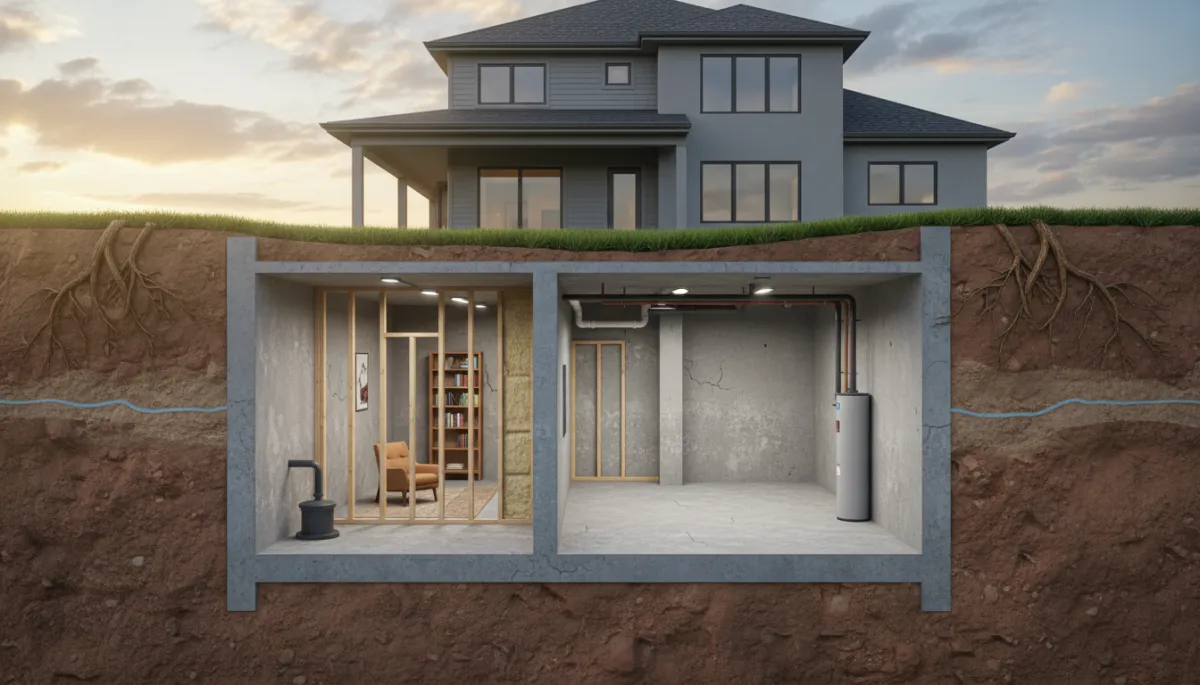
Missouri Basement Buying Guide: Key Insights
Real Estate, Home Buying, Missouri Basements
What Should Buyers Know About Basements in Missouri?
In Missouri, basements are more than just extra storage they can be a major asset or a costly headache. Understanding how local soil, moisture, and construction practices affect basements will help you buy with confidence.
Why Basements Are So Common in Missouri
Many Missouri homes include basements because of the region’s climate and building practices. A basement helps protect plumbing from freezing, offers a safe place during severe weather, and creates valuable extra living or storage space without expanding a home’s footprint. For buyers, this means a basement can significantly increase usable square footage if it’s dry, stable, and properly finished.
Missouri Soil, Weather, and Foundation Movement
Much of Missouri has expansive clay soils that swell when wet and shrink when dry. Combine that with heavy spring rains and periods of drought, and you get a lot of pressure on basement walls and floors. Over time, this can lead to:
Hairline cracks in concrete walls and floors
Bowed or leaning foundation walls from lateral soil pressure
Minor settling that can show up as stair-step cracks in block walls
Some movement is common in this region, but buyers should distinguish between normal aging and serious structural issues. Large horizontal cracks, walls that visibly bow, or doors that won’t close upstairs can all signal more significant foundation concerns that warrant a structural engineer’s opinion.
Moisture, Leaks, and Drainage: The Big Basement Issue
In Missouri, water management is often the make-or-break factor for a basement. Heavy rain, melting snow, and poor grading can push water right up against the foundation. When you tour a home, pay close attention to:
Musty odors, visible mold, or damp spots on walls and floors
Efflorescence (white, chalky residue) on concrete, which indicates past moisture
Stains or discoloration along the base of walls or around floor drains
Presence and condition of a sump pump and any interior drain system
Outside, look for gutters that drain away from the house, downspout extensions, and grading that slopes away from the foundation. Many moisture problems can be managed with better drainage, but long-term leaks may require professional waterproofing, which can be a significant expense—something to factor into your offer and negotiations.
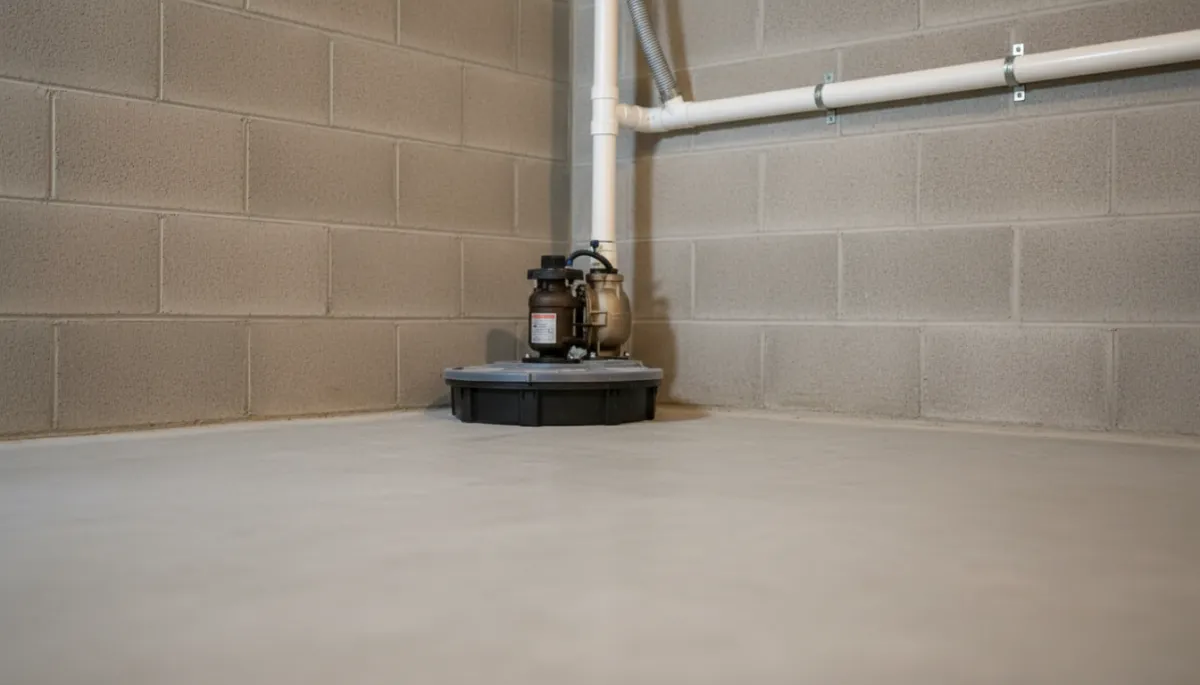
A properly installed sump pump can dramatically reduce water risk in Missouri basements.
Finished vs. Unfinished Basements: What to Look For
A finished basement can be a huge selling point, but buyers should look beyond the surface. In Missouri, where moisture and movement are common, quality of construction matters more than cosmetic upgrades. Ask:
Was the space finished by a licensed contractor or done as DIY work?
Are there permits and inspections on file for the finished work?
Is there any evidence of water damage behind baseboards, around built-ins, or under carpeting?
In an unfinished basement, you get a clearer view of the structure. Look at the exposed walls, beams, and floor joists. While it may not feel as polished, an unfinished but dry and solid basement can be a safer long-term investment than a beautifully finished space hiding problems.
Egress, Safety, and How Space Can Be Used
If you plan to use a Missouri basement as a bedroom or primary living area, pay attention to egress requirements. Many local codes require a full-size egress window or door for any legal bedroom in a basement. This affects both safety and resale value. Without proper egress, the space may still be useful for recreation, storage, or an office, but it may not count as official bedroom square footage.
Also consider ceiling height, heating and cooling, and how comfortable the space feels year-round. A basement that stays reasonably dry and maintains a stable temperature will be far more enjoyable—and valuable—over time.
Inspections, Warranties, and Negotiating Power
In Missouri, a thorough home inspection with a strong focus on the basement and foundation is essential. If the inspector notes movement, moisture, or previous repairs, you may want a specialized foundation or waterproofing contractor to provide a further evaluation and cost estimate. Many homes have transferable warranties for foundation braces, piers, or waterproofing systems ask the seller for documentation and read the fine print about what is covered.
Any identified issues can become part of your negotiation strategy. You might request repairs, ask for a credit at closing, or adjust your offer price based on the expected cost of future work. Understanding the true condition of the basement helps you avoid surprise expenses after move-in.
Final Thoughts for Missouri Basement Buyers
Basements are a defining feature of many Missouri homes, offering shelter, storage, and potential living space. They also come with regional challenges: expansive soils, heavy rains, and the risk of moisture and movement. As a buyer, focus on how well the basement manages water, how stable the foundation appears, and whether any finished areas were done correctly and safely.
With careful inspection, good questions, and a clear understanding of local conditions, you can confidently evaluate basements in Missouri and choose a home that offers both comfort and long-term stability below ground level.


