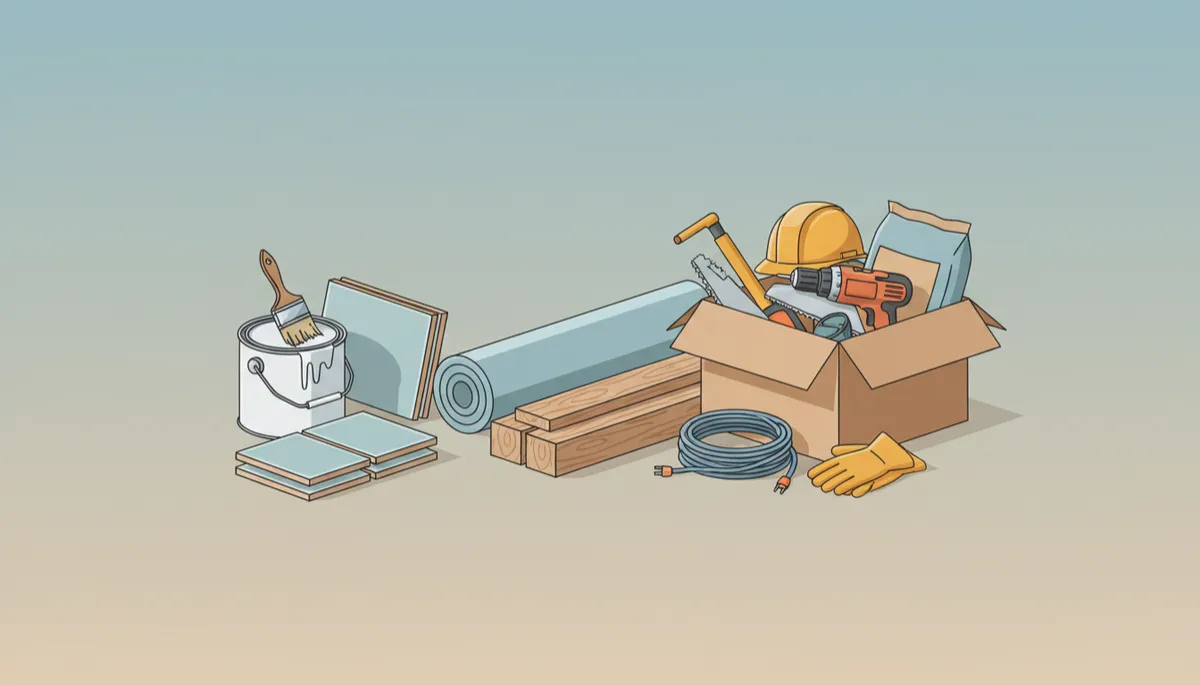
Handling Leftover Paint & Materials Before Closing
Home Selling, Moving Preparation
What Should You Do With Leftover Paint, Building Materials, and Other Items Before Closing?
As closing day approaches, many sellers discover shelves of half-used paint cans, extra tiles, and random supplies in the garage or basement. Knowing what to keep, what to offer the buyers, and what to dispose of protects you legally, keeps the home tidy, and helps ensure a smooth, drama-free closing.
1. What Should You Do With Leftover Paint?
Leftover paint is one of the most common “What do I do with this?” items before closing. It can be incredibly helpful to buyers for touch-ups, but only when handled thoughtfully and with clear communication.
Check your contract and local rules. Some purchase agreements specify what must be removed before closing. When in doubt, ask your agent whether paint is considered debris or an acceptable “leave behind.”
Offer useful, clearly labeled paint to the buyers. Buyers often appreciate having the exact colors used in the home. Label each can with the room name, color, and finish (for example, “Living Room – Agreeable Gray, eggshell”). Get the buyer’s permission in writing via your agents or attorney before leaving any paint behind.
Dispose of unusable or mystery paint properly. Dried-out cans, rusted lids, or unlabeled colors are more nuisance than help. Check your city or county website for household hazardous waste drop-off days or paint recycling programs. Never pour paint down drains or into the yard.
💡 Pro Tip: Take photos of the paint labels and color formulas before you dispose of anything. You can share these with the buyers so they can easily match colors later, even if you do not leave the cans.
2. How to Handle Extra Building Materials
Extra tiles, flooring planks, trim pieces, shingles, and hardware can be a real bonus for buyers if they are organized and in reasonable quantities. The key is to distinguish between helpful spares and leftover construction debris.
Keep a modest amount of matching materials. A small stack of bathroom tiles or a box of the current flooring can save the buyers headaches if they need repairs later. Store these neatly in one clearly visible spot, such as a labeled bin in the utility room or garage corner.
Get buyer approval before leaving large quantities. Ten extra tiles are helpful; ten boxes of leftover laminate might feel like junk. Ask your agent to confirm, in writing, which materials the buyers want and which they expect removed prior to the final walk-through.
Donate or recycle what is not staying. Many community reuse centers, Habitat for Humanity ReStores, and local charities accept surplus building materials in good condition. This keeps them out of the landfill and may provide a tax-deductible donation for you.
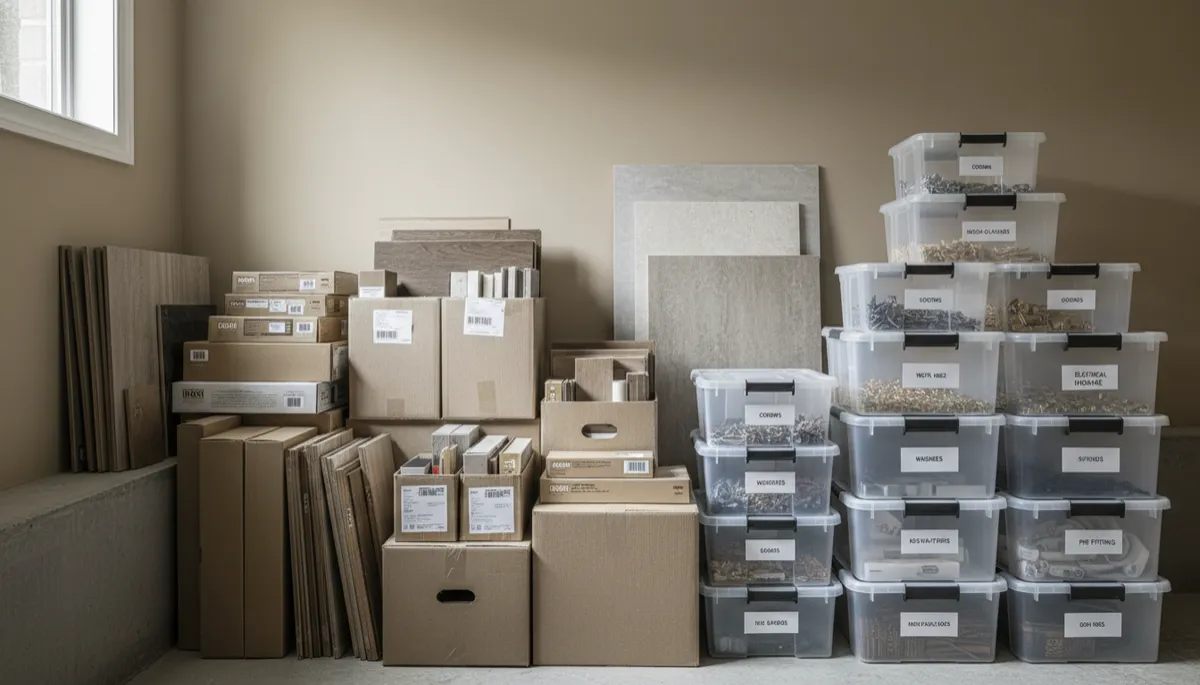
Clearly grouped and labeled extras feel like a bonus, not unwanted clutter.
3. Other Items to Consider Before Closing
Beyond paint and building supplies, sellers often wonder what to do with cleaning products, yard chemicals, old tools, and random household items that have collected over the years. The guiding principle is simple: the home should be “broom clean” and free of unwanted personal property unless the contract states otherwise.
Cleaning supplies and chemicals. A single all-purpose cleaner or a fresh roll of trash bags can be a thoughtful gesture, but shelves full of half-used chemicals, solvents, or pesticides should be removed and disposed of according to local regulations. When in doubt, take them with you or drop them at a hazardous waste facility.
Yard and home maintenance items. If tools or equipment are specifically included in the contract (for example, a lawnmower or storage shed contents), leave them clean and in working order. Otherwise, remove anything that is clearly personal property, such as old hoses, broken planters, or random hardware you no longer use.
Instruction manuals, warranties, and spare keys. These are the exceptions you should leave. Place appliance manuals, warranty documents, garage door openers, and labeled keys in a folder on the kitchen counter. Buyers appreciate having this information in one convenient spot on move-in day.
📌 Key Takeaway: If you would not want to inherit it when moving into a new home, do not assume your buyers want it either ask first, then donate, recycle, or dispose of the rest.
Final Thoughts: Communicate and Document
The smoothest closings happen when there are no surprises at the final walk-through. Take time a week or two before closing to sort through leftover paint, building materials, and miscellaneous items. Decide what is truly useful, confirm in writing what the buyers want, and responsibly dispose of everything else. A clean, uncluttered home sends the message that you have cared for the property and respected the buyers setting the tone for a positive handoff on closing day.


