
Guide to Inheriting and Selling a Parent's Home
Estate Planning, Inheriting a Home, Real Estate Decisions
What to Do With a Parent's House When You Don't Want to Keep It
Inheriting a parent’s home can be emotionally overwhelming, especially if you know you don’t want to live in it or keep it long term. From dealing with siblings to navigating taxes and timelines, there are practical steps that can help you make a clear, respectful decision about what comes next.
Start With Clarity: What “Not Keeping It” Really Means
Not wanting to keep your parent’s house can mean different things. You may not want to move in, manage a rental, or shoulder the costs of upkeep. That doesn’t make you ungrateful or uncaring; it simply means you need an option that fits your life, finances, and emotional bandwidth.
Before you make any moves, gather key facts:
Who legally owns the home now (you alone, you and siblings, or the estate)?
Is there a mortgage, home equity loan, or tax lien attached to it?
What is the approximate market value and condition of the property?
💡 Pro Tip: Order a copy of the deed, recent tax bill, and mortgage statement early. These documents shape what’s realistically possible.
Option 1: Sell the House on the Open Market
Selling is the most common choice when heirs don’t want to keep a home. Listing the property on the open market usually delivers the highest price, but it may require time, repairs, and emotional effort to prepare the home for buyers.
Pros: Often maximizes sale price; converts an illiquid asset into cash; allows each heir to move on independently.
Cons: Requires cleaning out belongings, possible repairs or updates, showings, and negotiations with buyers.
If you choose this route, consider hiring a real estate agent with experience in estate sales. They can advise on which improvements are worth doing and which you can skip, especially if the home is older or dated.
Option 2: Sell As‑Is to an Investor or Cash Buyer
If the house needs significant repairs, or if you live far away and want a faster, simpler process, selling “as‑is” to an investor or cash buyer can be appealing. You may receive a lower price than on the open market, but you gain speed and convenience.
Pros: Quick closing, fewer contingencies, no repairs or staging needed, minimal time managing the property.
Cons: Lower sale price; you’ll want to vet buyers carefully to avoid predatory offers.
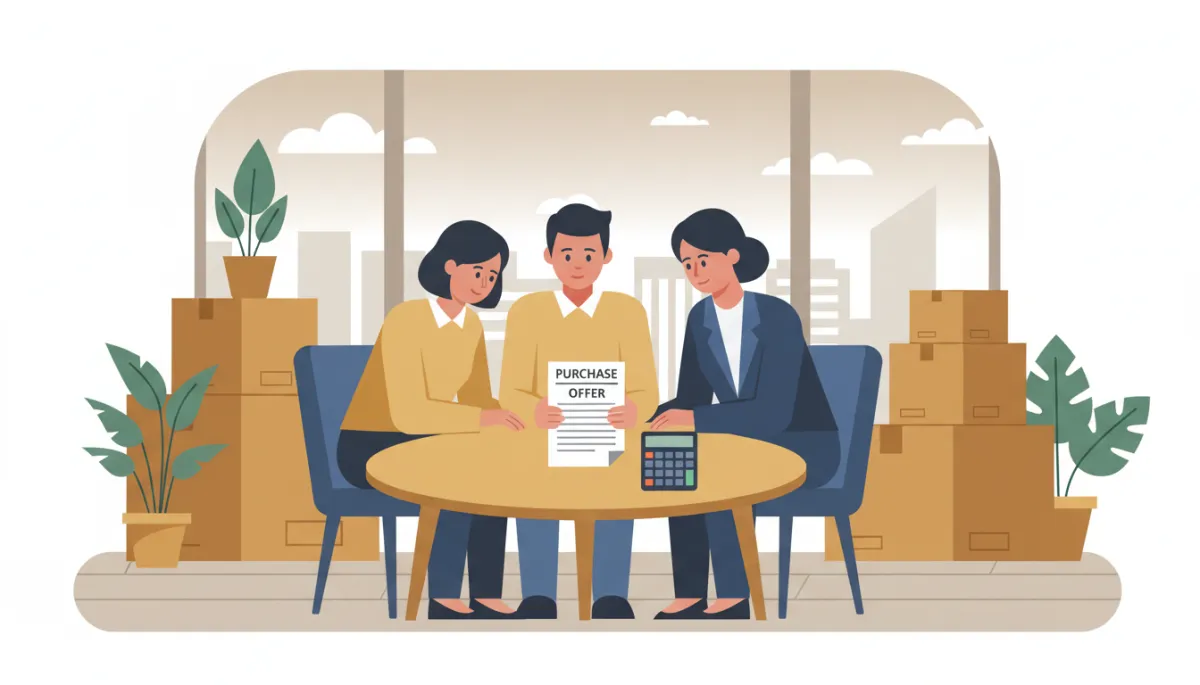
A clear, written offer helps families compare speed, price, and terms before deciding.
Option 3: Let One Heir Buy Out the Others
Sometimes a sibling or relative wants to keep the home even if you don’t. In that case, a buyout can be a fair solution. The person who wants the house pays the other heirs for their share of the equity, either with cash or by refinancing into a new mortgage in their own name.
To keep the peace, it’s wise to:
Obtain an independent appraisal or two to set a fair value.
Put the agreement in writing with help from an attorney.
Set clear timelines for financing and transferring the deed.
Option 4: Short‑Term Rental While You Decide
Even if you know you don’t want to keep the house forever, you may not be ready to sell immediately. Renting it out for a year or two can buy time, cover carrying costs, and give you space to grieve and think more clearly.
Just be realistic: being a landlord involves maintenance, tenant communication, and legal responsibilities. A local property manager can handle most of that for a fee, but if the idea of ongoing management feels stressful, a sale may still be the better fit.
Don’t Overlook Taxes, Debts, and Timelines
In most cases, you inherit the home with a “stepped‑up” tax basis, meaning capital gains are calculated from the home’s value at the time of your parent’s death, not when they originally bought it. This can significantly reduce taxes if you sell soon. However, rules vary, so consult a tax professional who understands estates in your state or country.
Also consider:
Ongoing costs like insurance, utilities, and property taxes while the home is in limbo.
Whether the estate must go through probate before a sale can close.
Deadlines for notifying lenders or insurance companies about your parent’s passing.
Balancing Practical Decisions With Emotional Realities
Letting go of a parent’s home is rarely just a financial choice. Every room holds memories, and sorting through belongings can be exhausting. Give yourself permission to feel what you feel, and consider inviting a neutral third party—like a trusted friend, professional organizer, or counselor to help you work through both the stuff and the emotions.
📌 Key Takeaway: You can honor your parent’s legacy without keeping their house forever. Choosing the option that best supports your life today is an act of respect for them and for yourself.
Moving Forward With Confidence
When you don’t want to keep a parent’s house, your main choices are to sell it, let someone else in the family buy it, or use it temporarily as a rental while you decide. There is no single “right” answer only the option that best fits your finances, relationships, and emotional well‑being.
Surround yourself with experienced professionals an estate attorney, tax advisor, and real estate agent who can guide you through the process. With clear information and thoughtful support, you can make a decision that feels both practical and deeply respectful of the home your parent once loved.


