
Importance of Property Surveys for Rural Land Deals
Real Estate, Rural Land, Property Surveys
Why a Property Survey Can Matter When Buying or Selling Rural Land
Rural land can offer privacy, freedom, and long‑term value but only if you truly know what you’re buying or selling. A professional property survey is one of the smartest safeguards you can put in place during a rural land transaction.
What a Property Survey Actually Tells You
A property survey is a detailed map prepared by a licensed surveyor that shows the exact boundaries and key features of a piece of land. For rural property, this often includes:
Precise boundary lines and corners, often marked with stakes or pins on the ground
Acreage calculations that confirm the true size of the parcel you’re buying or selling
Locations of roads, driveways, creeks, ponds, and significant improvements like barns or homes
Easements and rights‑of‑way that may allow others to use part of the land for access or utilities
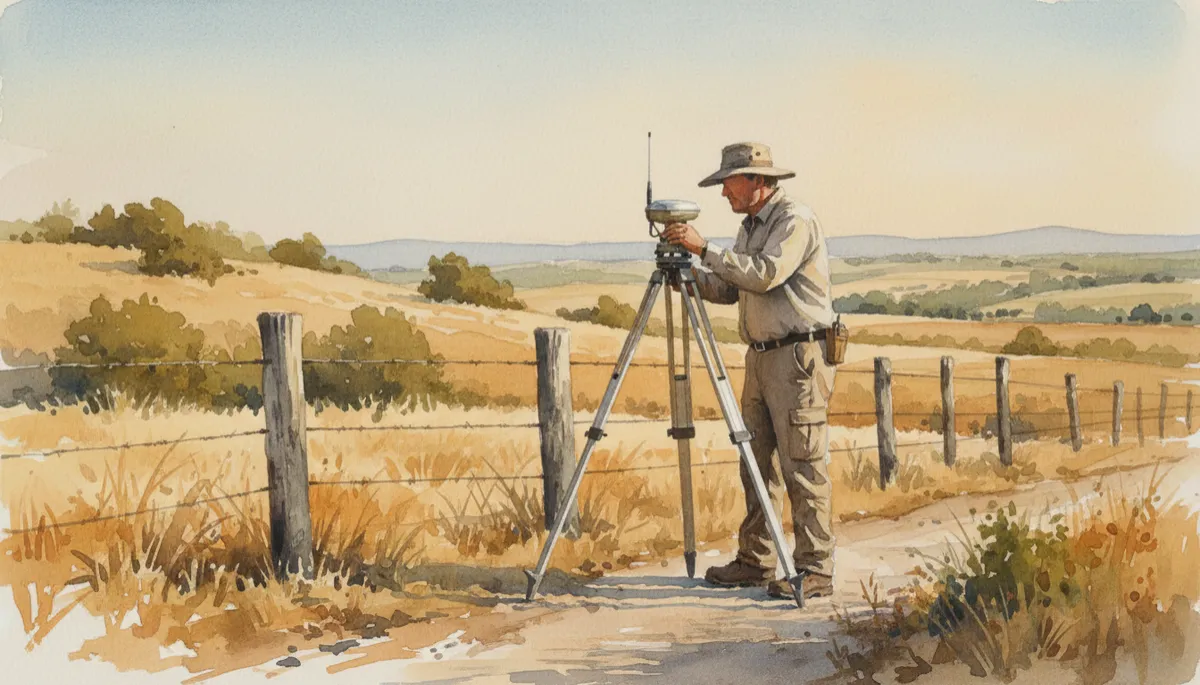
A current survey can reveal boundary shifts, encroachments, and access issues before closing.
Why Surveys Matter So Much for Rural Land
In town, property lines often follow streets and platted lots. In the country, boundaries may follow old fence rows, tree lines, creeks, or even descriptions written decades ago. Over time, fences move, trees fall, and memories fade. Without a survey, everyone may be “going by what we’ve always thought,” which is risky when large dollar amounts are involved.
A modern survey replaces guesswork with clear measurements. Buyers gain confidence that the land they toured is the land they’re purchasing. Sellers gain documentation that supports their asking price and helps prevent disputes after closing. Both sides benefit from a shared, accurate picture of the property.
Common Problems a Survey Can Uncover Early
Rural land deals can be derailed by issues that a survey would have revealed at the start. Some of the most common include:
Encroachments: A neighbor’s fence, shed, or driveway may sit over the line, creating legal and relationship challenges if not addressed before closing.
Access questions: Some tracts appear to have access, but actually rely on private easements or “handshake” agreements. A survey can help confirm legal access routes.
Acreage discrepancies: Older deeds or tax records may list acreage that doesn’t match reality. That difference can materially affect value and financing.
Setback and building issues: If you plan to add a home, shop, or pond, a survey helps you understand where you can legally build and how close to boundaries improvements may sit.
📌 Key Takeaway: The cost of a survey is usually small compared to the cost of fixing boundary or access problems after you own the land.
How a Survey Protects Both Buyers and Sellers
For buyers, a survey provides peace of mind and leverage. You can negotiate repairs, boundary adjustments, or price changes if the survey reveals surprises. It also helps your lender and title company feel more comfortable with the transaction, which can smooth the path to closing.
For sellers, ordering a survey in advance can make your property more attractive. You demonstrate transparency, answer common buyer questions up front, and reduce the chance of a last‑minute delay. A clear survey can also help highlight positive features such as more usable acreage than expected or better road frontage than older records suggest.
Planning Your Next Move with Local Guidance
Every rural property is unique, and so is every survey. Working with an experienced local real estate professional can help you decide when a new survey is essential, how to interpret the results, and how to negotiate any issues that surface. Whether you are buying your first piece of land, selling a family farm, or assembling acreage for a future home, having the right guidance makes all the difference.
Contact John Meier – Westplex Real Estate today to start planning your move:
📞 Call or text: (636) 242-5365
🌐 Visit: JohnMeierSells.com


