Impact of Roads on Real Estate Growth
Real Estate, Infrastructure, Urban Development
How Roads and Transportation Affect Real Estate Growth
Roads and transportation networks do far more than move people and goods. They shape where we live, where businesses thrive, and how property values rise or fall over time.
Accessibility: The Starting Point of Real Estate Demand
At the heart of real estate growth is one simple question buyers and tenants ask: “How easy is it to get there?” Roads, highways, and transit lines answer that question every day. Properties located near major routes or efficient public transport tend to attract more interest, because they shorten commutes and make daily life more convenient. This higher demand often translates into increased property prices and faster sales or rentals.
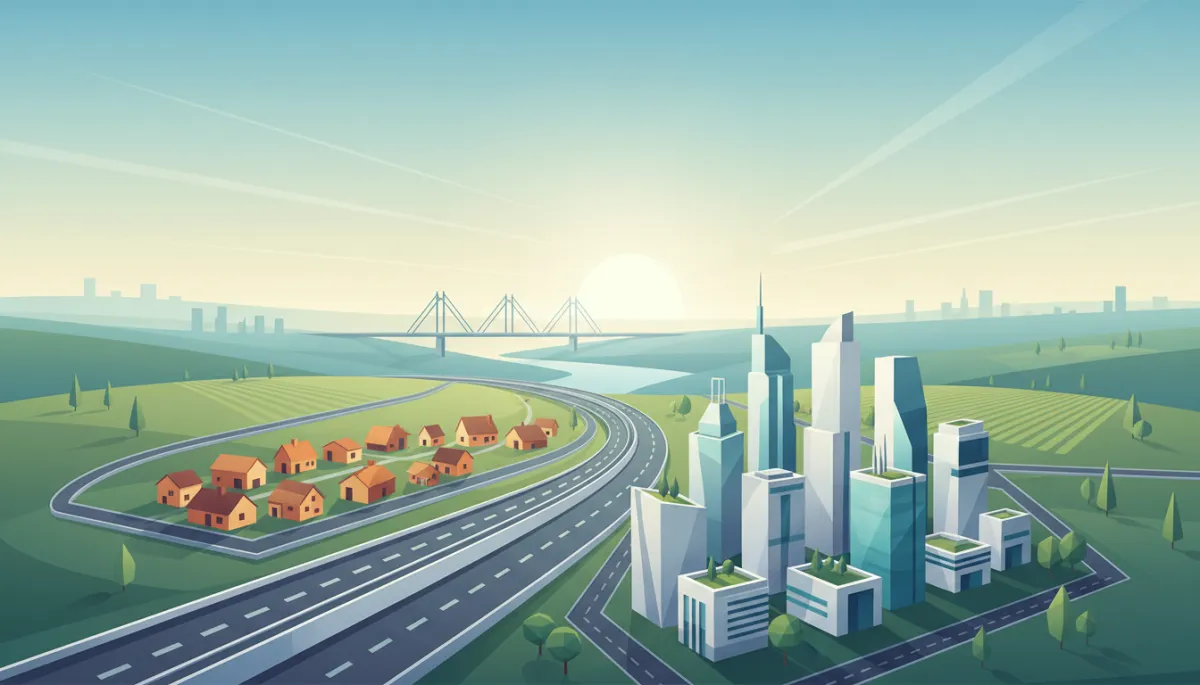
When a new road connects a once-remote area to a city center, that location can quickly transform from overlooked land into a promising residential or commercial hotspot. Improved accessibility reduces travel time, widens the pool of potential buyers, and encourages developers to invest in housing, offices, and retail projects nearby.
The Ripple Effect of New Road Projects
New highways, flyovers, and arterial roads rarely affect just one neighborhood. They create a ripple effect that spreads across entire corridors. Land along these routes often shifts from low-density or agricultural use to residential compounds, shopping centers, logistics hubs, and business parks. Investors watch transport masterplans closely, knowing that buying before construction finishes can lock in significant future appreciation.
However, this growth is not automatic. Effective zoning, utilities, and supporting infrastructure—such as schools, hospitals, and drainage—must follow the road for sustainable development. Where planning is coordinated, roads become catalysts for well-planned communities. Where planning is weak, they can encourage scattered, unbalanced growth that strains services and reduces long-term appeal.
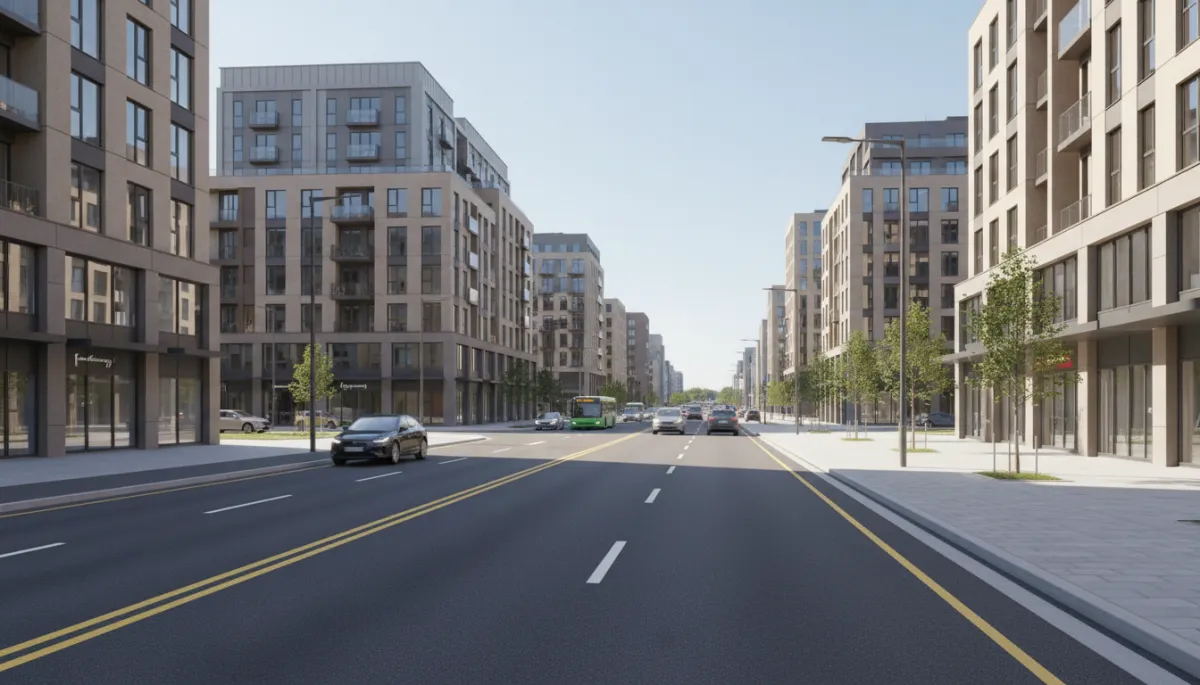
Mixed-use projects often cluster along new transport corridors, accelerating land value growth.
Public Transport: A Magnet for High-Density Development
While roads benefit drivers, public transport systems such as metro lines, bus rapid transit, and commuter rail reshape real estate on a different scale. Stations become anchors for high-density residential towers, office complexes, and retail centers. People are increasingly willing to live in smaller units or pay premium rents if they can walk to a train or bus stop and avoid long, stressful commutes.
This pattern, often called “transit-oriented development,” encourages compact, walkable neighborhoods with a mix of homes, shops, and workplaces. For real estate stakeholders, proximity to reliable public transport can mean higher occupancy, better rental yields, and lower marketing costs, because the location effectively sells itself.
Traffic, Noise, and the Other Side of Connectivity
Not every transport improvement leads to higher property values for every plot of land. Being too close to busy roads or junctions can introduce noise, air pollution, and safety concerns. Homes directly facing heavy traffic may see lower demand than properties a short distance away on quieter internal streets, even though both benefit from the same overall accessibility.
Well-designed cities balance connectivity with livability. Buffer zones, service roads, landscaping, and sound barriers can protect residential pockets while still allowing easy access to main routes. For buyers and investors, understanding this balance between convenience and comfort is essential when evaluating the long-term potential of any location.
Looking Ahead: Future Mobility and Property Opportunities
As cities grow and technology evolves, the link between transportation and real estate will only deepen. Electric buses, improved rail systems, and smarter traffic management can open up new areas for development and revive older districts. Planned ring roads, bypasses, and inter-city expressways can redirect growth patterns, creating fresh opportunities for residential communities, industrial parks, and logistics centers along their paths.
For homeowners, developers, and investors alike, the message is clear: follow the infrastructure. Understanding how roads and transportation projects are planned, funded, and phased provides a powerful lens for predicting where the next wave of real estate growth is likely to appear and where today’s overlooked land may become tomorrow’s prime address.


