HVAC Replacement Cost: What Homeowners Need to Know
Homeownership, HVAC Costs
How Much Does It Cost to Replace an HVAC System?
Replacing an HVAC system is one of the biggest home maintenance expenses you’ll face, and it often comes up right when you’re thinking about selling, buying, or settling into a new place. Understanding what drives the cost can help you budget wisely and avoid surprises.
Typical HVAC Replacement Cost in 2026
As of October 2026, most homeowners in the U.S. can expect to pay somewhere between $5,000 and $22,000 to replace a full HVAC system, depending on the scope of the project and the quality of equipment you choose. Many mid-range full replacements (air conditioner plus furnace or heat pump) land around $10,000–$12,000 once equipment, labor, and basic materials are included. citeturn0search22
For a standard-efficiency air conditioner and furnace using existing ductwork, national sources such as This Old House and major cost calculators report typical ranges of about $5,000 to $12,500, with higher-efficiency or larger systems pushing costs well above that. citeturn0search22
Cost by System Type
Different HVAC setups come with different price tags. Here’s a simplified look at typical ranges in 2026:
Project Type | Typical Range | Common Average |
|---|---|---|
AC + Furnace (existing ductwork) | $5,000 – $12,500 | Around $10,000–$11,500 |
Central system with new ductwork | $7,000 – $16,000+ | Around $11,500 |
Heat pump system | $8,000 – $22,000 | About $12,000–$13,000 |
Ductless mini-split (single or multi-zone) | $3,000 – $18,000 | Roughly $6,000–$8,000 |
These figures reflect national averages; your local market and home’s layout can nudge costs lower or higher. citeturn0search22
Key Factors That Influence Your HVAC Replacement Cost
Home size and layout: Larger homes or complex floor plans often require bigger systems or multiple zones, increasing both equipment and labor costs.
System efficiency: High-efficiency units cost more upfront but can significantly reduce monthly energy bills and may qualify for rebates or tax credits, especially for heat pumps and ENERGY STAR–rated equipment. citeturn0search22
Ductwork condition: Reusing existing ducts keeps costs down. Adding, resizing, or replacing ductwork can add several thousand dollars to a project, particularly in older homes. citeturn0search22
Labor and complexity: Tight attic spaces, multi-story installs, electrical upgrades, or zoning systems all increase labor hours and total price.
Regional pricing and timing: Labor rates vary by region, and scheduling work in the off-season (like fall) can sometimes secure better pricing than peak summer months. citeturn0search22
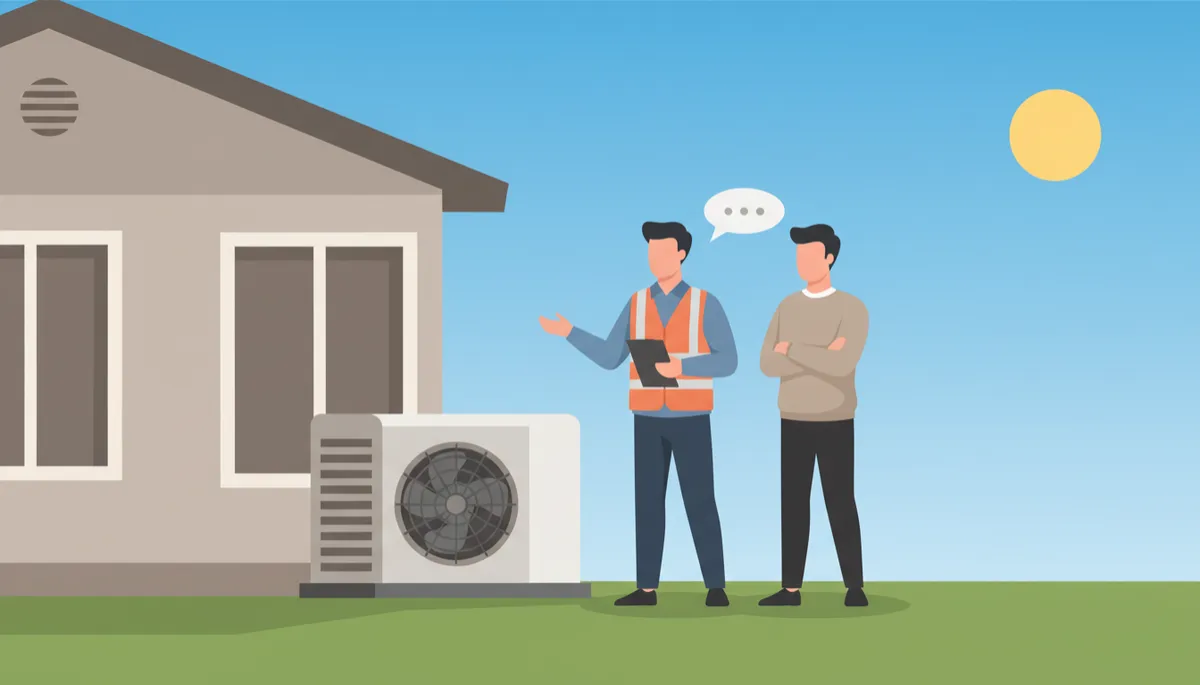
A detailed quote that separates equipment and labor helps you compare bids fairly.
Budgeting for HVAC When You’re Buying or Selling
If you’re preparing to sell, a newer, efficient HVAC system can be a strong selling point and reduce last-minute repair negotiations. If you’re buying, knowing the age and condition of the system helps you plan for a future replacement so it doesn’t derail your budget a few years down the road.
A knowledgeable real estate professional can help you weigh whether to replace a system before listing, request credits or repairs during negotiations, or factor HVAC age into your overall offer strategy.
📌 Key Takeaway: For a typical full HVAC replacement, plan on budgeting at least the mid-range of $10,000–$12,000, then adjust up or down based on your home’s size, efficiency goals, and ductwork needs.
Plan Your Move with HVAC Costs in Mind
Whether you’re upsizing, downsizing, or relocating across town, HVAC condition and replacement costs should be part of your overall moving plan. From budgeting for a future upgrade to deciding if a seller credit makes more sense than a pre-closing replacement, having expert guidance makes the process far less stressful.
Contact John Meier – Westplex Real Estate today to start planning your move:
📞 Call or text: (636) 242-5365
🌐 Visit: JohnMeierSells.com


