How Much Money Should You Keep in Savings After Buying a Home?
A lot of homebuyers spend months focused on one goal:
Saving enough money to buy a house.
But there's another question that's just as important:
"How much money should I have left in savings after I buy?"
The answer is simple:
You should never use every dollar you have to buy a home.
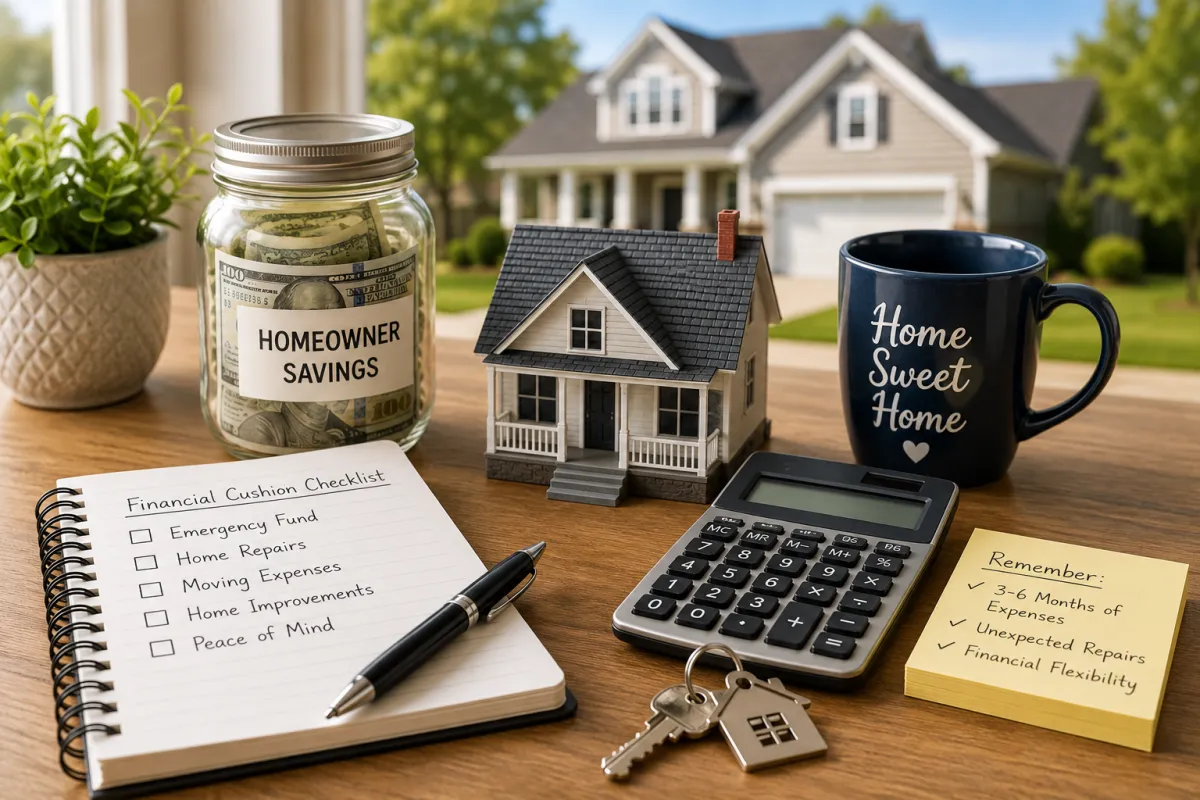
Owning a home comes with responsibilities, and having a financial cushion can make homeownership much less stressful.
If you're buying a home in Warrenton, Wright City, Foristell, or elsewhere in Warren County, here's what you should consider.
The Biggest Mistake Buyers Make
Many buyers focus entirely on:
The down payment
Closing costs
Moving expenses
and forget about what happens after they get the keys.
Then reality hits.
A few months later:
The water heater fails
The HVAC needs service
The refrigerator stops working
Unexpected expenses pop up
That's why having savings after closing is so important.
Why Emergency Savings Matter
Even a well-maintained home will eventually need repairs.
Common homeowner expenses include:
HVAC repairs
Appliance replacement
Plumbing issues
Roof maintenance
Electrical repairs
Tree removal
Insurance deductibles
You don't want every unexpected repair turning into a financial emergency.
How Much Should You Keep?
There isn't a single perfect number.
However, many financial professionals recommend maintaining at least three to six months of living expenses in savings whenever possible.
That amount may vary depending on:
Job stability
Family size
Monthly expenses
Other financial obligations
The goal is creating a financial safety net.
New Homeowners May Need More Than Renters
When you're renting, major repairs are usually the landlord's responsibility.
When you own the home, those expenses become yours.
That's one reason many homeowners keep larger emergency funds than they did while renting.
Don't Forget About Moving Costs
Many buyers underestimate expenses that occur immediately after moving.
These may include:
Furniture
Appliances
Utility deposits
Window coverings
Lawn equipment
Home improvements
Having cash available after closing gives you flexibility.
The House Isn't the Goal
This may sound strange coming from a real estate article.
But the goal isn't simply to buy a house.
The goal is to buy a house and still feel financially comfortable afterward.
A home should improve your life—not leave you stressed every month.
Warren County Buyers Often Prioritize Value
Many buyers moving to:
Warrenton
Wright City
Foristell
Truesdale
are attracted by the opportunity to get:
More house
More space
Larger lots
Better value
compared to some surrounding markets.
That can help buyers maintain stronger financial flexibility after closing.
Questions to Ask Yourself Before Buying
Before purchasing a home, ask:
Will I still have emergency savings afterward?
Can I handle an unexpected repair?
Am I comfortable with the monthly payment?
Do I have funds available for moving expenses?
Am I buying a home or stretching my finances?
The answers can help prevent future stress.
Common Savings Mistakes
Using Every Dollar for the Down Payment
A larger down payment isn't always worth it if it leaves you with no financial cushion.
Forgetting About Maintenance
Every home requires ongoing care.
Assuming Nothing Will Break
Something eventually will.
The goal is being prepared when it happens.
FAQ
Should I spend all my savings on a down payment?
Most financial professionals recommend maintaining emergency reserves rather than using every available dollar for the purchase.
How much emergency savings should homeowners have?
Many experts suggest three to six months of living expenses, although every situation is different.
Is it okay to buy a house with little money left over?
It may be possible, but it often increases financial stress and reduces flexibility if unexpected expenses arise.
Why is savings important after closing?
Homeowners are responsible for repairs, maintenance, and other unexpected costs that renters often don't face.
Final Thoughts
Buying a home is a major accomplishment.
But closing day isn't the finish line.
It's the beginning of homeownership.
The buyers who feel most comfortable after moving in are often the ones who planned ahead and kept money in reserve for life's inevitable surprises.
Remember:
A healthy savings account can be just as important as a down payment.
The goal isn't simply getting into a home.
The goal is staying financially confident after you get there.
John Meier is a Real Estate Agent in Warrenton, MO (63383) helping buyers and sellers in Warrenton, Truesdale, Wright City, Foristell, and surrounding Warren County areas.
Westplex Real Estate
📞 (636) 242-5365
🌐 JohnMeierSells.com


