
House Orientation: Does Direction Matter?
Home Buying, House Orientation
Does Facing a Certain Direction Matter When Buying a House?
When you fall in love with a property, it is easy to focus on the kitchen, the garden, or the number of bedrooms and overlook something quieter but powerful: the direction the house faces. Yet orientation can influence light, comfort, energy bills, and even resale value. Here is how much it really matters, and when you should care.
Why House Orientation Matters More Than You Think
The direction a house faces affects how sunlight moves through the rooms, how warm or cool it feels, and how you use your spaces throughout the day. In many markets, buyers quietly pay a premium for homes that feel bright in winter, stay cooler in summer, and make outdoor areas genuinely usable rather than too hot or too dark. Orientation is not the only factor in a good home, but it can be the difference between “nice” and “effortless” day to day living.
Sunlight, Seasons, and Everyday Comfort
In the northern hemisphere, a south-facing aspect generally receives the most sunlight during the day, while north-facing homes often get softer, more consistent light. In the southern hemisphere, this is reversed. This matters because natural light influences mood, heating and cooling needs, and how inviting your living spaces feel at different times of year.
Morning people: East-facing rooms capture sunrise light, ideal for kitchens, breakfast nooks, and home offices where you start the day early.
Evening relaxers: West-facing living rooms or terraces enjoy warm afternoon and sunset light, but can become hot in summer without shading or good insulation.
Energy-conscious buyers: Maximizing winter sun into main living areas can reduce heating costs, especially in cooler climates, but may require shading solutions to avoid overheating in hotter months.
💡 Pro Tip: Visit the property at different times of day if you can. A house that feels bright at 11 a.m. may be gloomy by late afternoon, depending on its orientation and surrounding buildings or trees.
Orientation and Lifestyle: Matching the House to How You Live
Orientation is not just about sunlight; it is about how you use your home. If you love outdoor entertaining, you may prefer a backyard that catches afternoon light rather than one that is in shade by 3 p.m. If you work from home, glare on your computer screen from a west-facing window can be frustrating. Families with young children might value cooler bedrooms, even if that means less dramatic sunset views.
Think about your daily rhythm. Where do you drink your morning coffee? When do you spend most time in the living room? Do you prefer sleeping in a darker, cooler room? Aligning the house’s orientation with these habits makes everyday life smoother without you having to think about it.
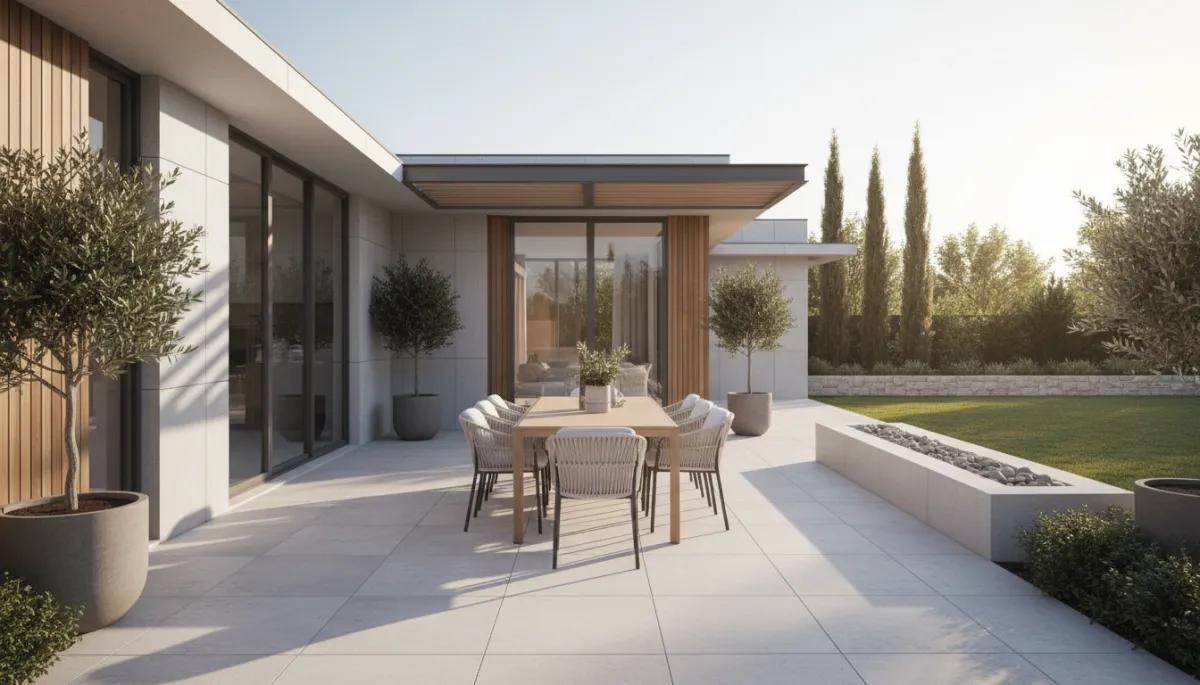
Well-oriented outdoor spaces extend your living area for much of the year.
Resale Value and Buyer Expectations
In some regions, particular orientations are strongly preferred. For example, buyers may actively seek “north-facing” or “south-facing” homes depending on local climate and cultural beliefs. These preferences can affect demand and, over time, resale value. A home that feels dark, cold, or uncomfortably hot because of poor orientation might sit on the market longer or sell for less, even if the interiors are beautifully renovated.
That said, orientation is only one piece of the puzzle. A well-designed home can compensate with larger windows, shading, insulation, and smart layout. When comparing two similar properties, though, the one with better natural light and more comfortable orientation often wins with both homeowners and future buyers.
So, How Much Should Orientation Influence Your Decision?
Facing a certain direction does matter when buying a house but it is rarely a simple yes-or-no rule. Orientation shapes light, comfort, and energy use, and can subtly influence resale value. However, it must be weighed alongside location, layout, budget, and your personal lifestyle. If you are choosing between two strong options, let orientation be a tiebreaker: pick the home that feels naturally bright, comfortable at the right times of day, and aligned with how you actually live, not just how it looks in the listing photos.


