Why Is the House Next Door Unsold for So Long?
Real Estate, Home Selling
Why Has the House Next Door Been for Sale So Long?
When a For Sale sign lingers outside the house next door, it is hard not to wonder what is going on. Is something wrong with the property, the price, or even the neighborhood? Understanding why a home sits on the market for months can give you clarity, protect your own property value, and sometimes even reveal an opportunity.
1. The Asking Price May Be Too High
The most common reason a house stays on the market is simple: it is overpriced. Buyers today have access to online valuation tools, recent sales data, and neighborhood comparisons. If the home next door is listed significantly above similar properties nearby, shoppers will likely skip it without a second thought, no matter how nice it looks from the curb.
Sometimes sellers anchor to what they “need” or what they “feel” their home is worth, rather than what the market is willing to pay. When that happens, a listing can quietly age online, losing momentum and raising questions in the minds of potential buyers and neighbors alike.
2. First Impressions: Curb Appeal and Presentation Issues
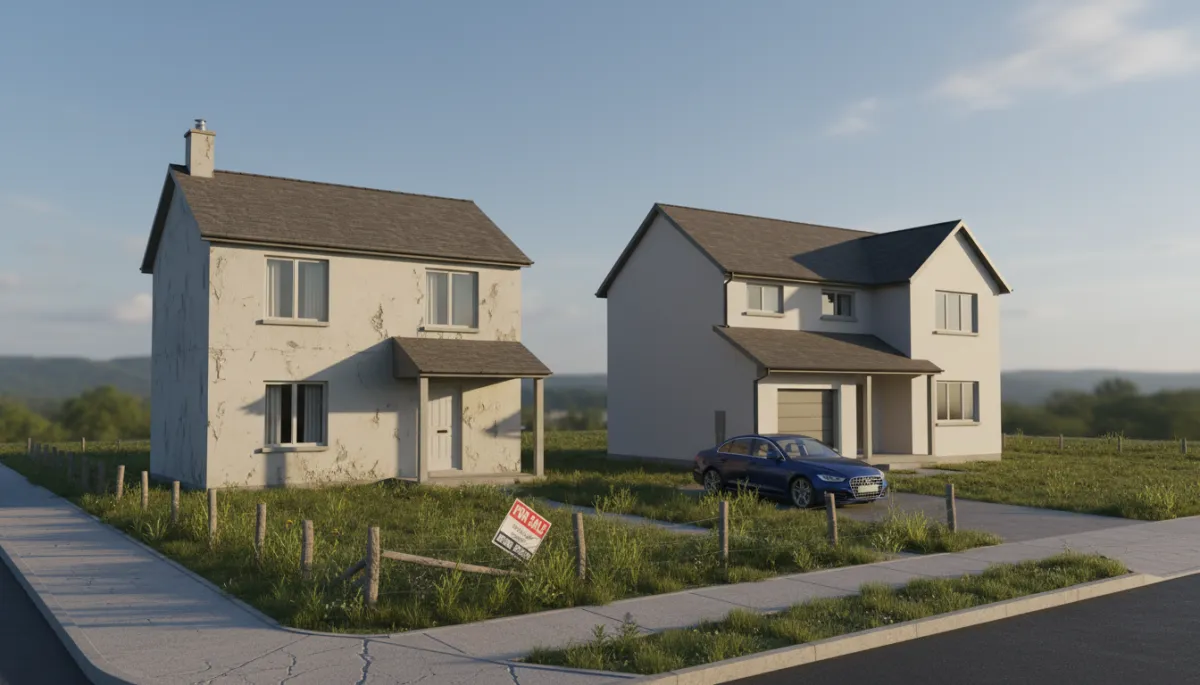
Even in a solid market, presentation matters. Overgrown grass, peeling paint, cluttered porches, or dated landscaping can make buyers wonder what else has been neglected inside. If the photos online look dark, cluttered, or uninviting, many shoppers will never schedule a viewing in the first place.
Inside, overly personal décor, strong odors, or obvious deferred maintenance can turn an otherwise solid home into a tough sell. Buyers are increasingly drawn to move-in-ready spaces; if your neighbor’s house feels like a project, it will naturally appeal to a smaller pool of people and take longer to sell.
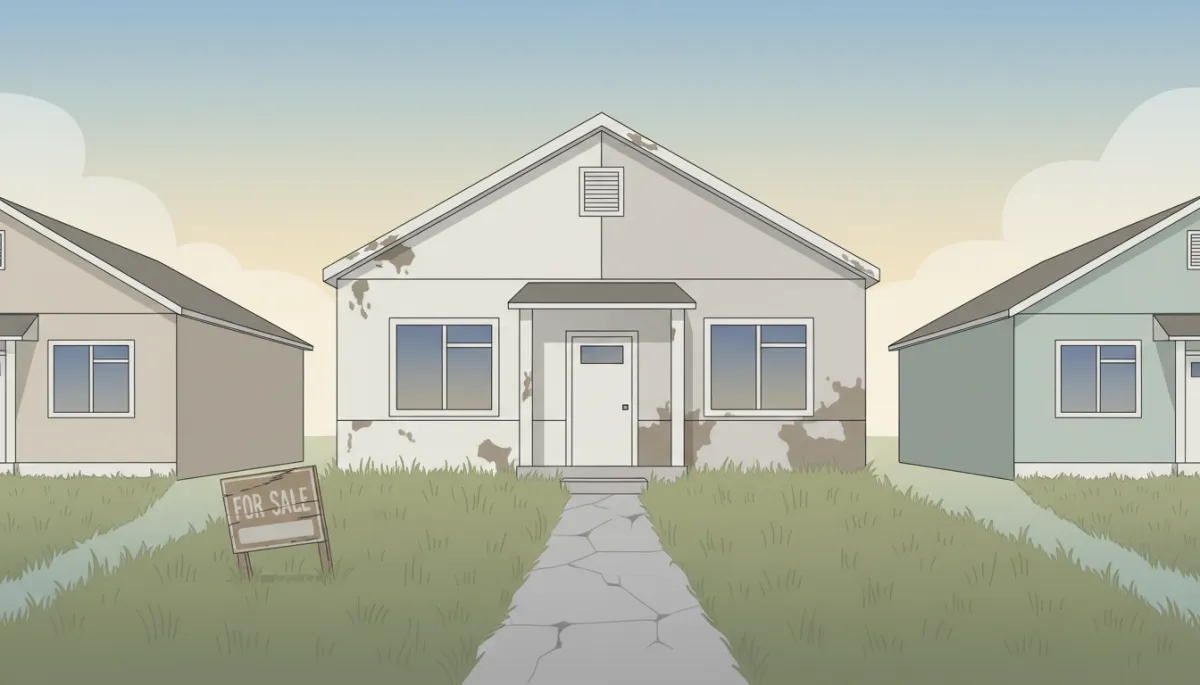
Small visual flaws can quietly signal neglect and discourage otherwise interested buyers.
3. Hidden (or Not-So-Hidden) Property Problems
Another reason a home lingers is that inspections keep uncovering issues. Structural concerns, aging roofs, outdated electrical systems, water damage, pest infestations, or previous insurance claims can all scare buyers away or cause deals to fall through at the last minute.
Sometimes these problems are visible from the street: sagging gutters, cracked foundations, or obvious patchwork repairs. Other times, you will only hear hints through neighborhood conversations or see the pattern of “Under Contract” signs that quietly revert back to “For Sale” a few weeks later. Each failed contract adds more days on market and more hesitation for new buyers.
💡 Pro Tip: If you are concerned about how this might affect your own home’s value, keep a record of recent neighborhood sales that closed quickly and at fair prices. Appraisers and future buyers look at the broader area, not just one slow-moving listing.
4. A Limited or Poor Marketing Strategy
Not all listings are marketed equally. If your neighbor’s home has few photos, no floor plan, vague descriptions, or minimal online exposure, many buyers will never even know it exists. In a digital-first market, weak marketing can be just as damaging as a leaky roof or bad layout.
The choice of real estate agent matters, too. An agent who is slow to respond, rarely hosts open houses, or does not adjust the strategy when interest is low can unintentionally keep a property stuck. Over time, a stale listing can start to look like a problem home, even if the only real issue is poor promotion.
5. Market Conditions and Timing
Sometimes the house itself is not the problem at all. Shifting market conditions can slow everything down. Rising interest rates, seasonal slowdowns, or an influx of similar homes for sale in your area can all extend the time it takes to find the right buyer. A property that might have sold in a week during a hot market can suddenly sit for months when conditions cool.
Timing also plays a role. Listings that hit the market during holidays, school exam periods, or in the dead of winter often see fewer showings. If your neighbor’s home launched at an awkward moment and never adjusted its strategy, it may simply have missed its best window of opportunity.
6. How a Slow Sale Affects You (and What You Can Do)
A lingering For Sale sign can feel unsettling, but it does not automatically mean your own home is losing value. One stubborn listing is often an exception, not a verdict on the entire neighborhood. Still, it is natural to want answers. If you know your neighbor, a polite, curious conversation can sometimes reveal the story behind the delay and even give you insight for your future plans.
You can also quietly learn from their experience. Take note of their price changes, how the photos look, and how the home presents from the street. When it is your turn to sell, you will know exactly what to avoid—and how to position your property so it does not become the next house that leaves everyone asking, “Why has it been for sale for so long?”


